Scrap metal recycling turns old appliances, construction debris, and leftover materials into cash while keeping valuable resources out of landfills. But showing up at a recycling yard with a truck bed full of unsorted, dirty metal can slow down the process and cost you money.
A little preparation goes a long way. Recycling yards pay more for clean, sorted materials because they require less labor to process. Taking the time to sort, clean, and organize your scrap metal before you arrive means faster drop-offs, better payouts, and a smoother experience overall.
Here’s exactly what to do before your next trip to the recycling yard.
Sort Your Metals by Type
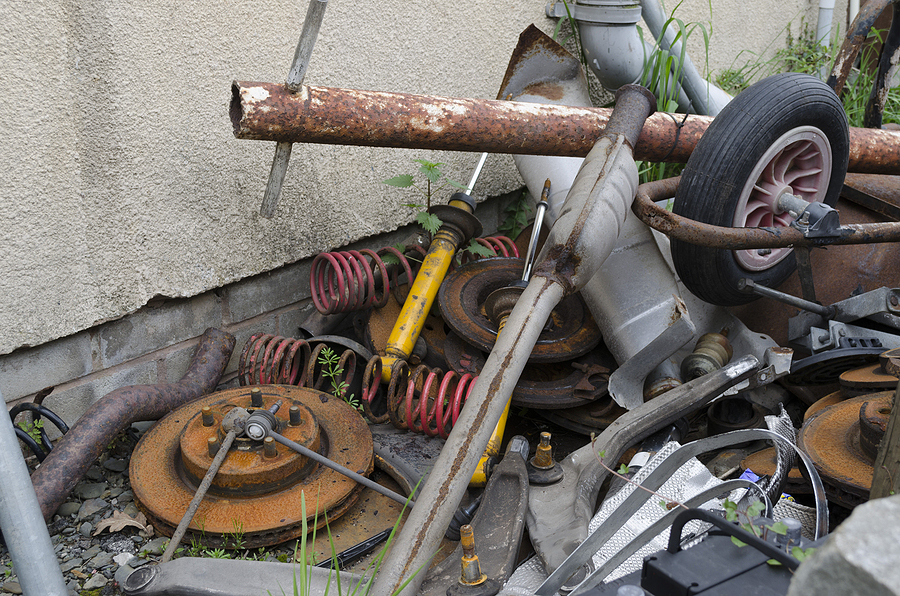
Recycling yards separate materials into two broad categories: ferrous and non-ferrous metals. Ferrous metals, like steel and iron, contain iron and are magnetic. Non-ferrous metals, including aluminum, copper, and brass, don’t attract a magnet and typically earn a higher price per pound.
A Simple Trick for Sorting
Not sure what you’re holding? Grab a magnet. If it sticks, you’ve got a ferrous metal. If it doesn’t, you’re likely dealing with a non-ferrous metal, which is often worth more.
Recycling yards require sorted materials because mixed loads take longer to process and can reduce the overall value of your scrap. Sorting at home saves everyone time.
Remove Contaminants from Your Scrap Metal
Metal rarely arrives at a recycling yard in its purest form. Plastic housings, rubber seals, wood handles, and other non-metal components are common on everyday items.
Before you load up your scrap, strip away these materials wherever possible. This includes removing:
- Plastic casings and trim
- Rubber gaskets and hoses
- Wood or composite attachments
- Insulation on wiring
Grease, oil, and dirt also reduce scrap value, so wipe down or rinse off metal pieces when you can. Clean metal is easier to weigh accurately and process efficiently, which generally translates to a better payout.
Disassemble Complex Items Before You Arrive
Appliances, electronics, and machinery often contain a mix of metals bundled together with other materials. Breaking these items down into their individual components makes them easier to sort and recycle.
Safety Comes First
Disassembling large items isn’t without risk. Keep these precautions in mind:
- Unplug and fully drain appliances before taking them apart
- Wear gloves, eye protection, and closed-toe shoes
- Use proper tools instead of forcing components apart
- Leave refrigerant removal to a certified professional if you’re dismantling a refrigerator or air conditioning unit
Taking these steps protects you and ensures your scrap is ready for processing once it reaches the yard.
Organize and Bundle Your Materials
Once your metal is sorted, cleaned, and disassembled, group similar materials together. Bundling like metals makes it easier for yard staff to weigh and process your load quickly.
Use bins, bags, or ties to keep smaller pieces contained during transport. Secure larger or loose items in your truck bed or trailer to prevent spillage on the road. Not only does this protect your scrap, but it also keeps you and other drivers safe.
Check Local Yard Requirements Before You Go
Every recycling yard operates a little differently. Before loading up your vehicle, call ahead to confirm what materials the yard accepts and whether they have specific preparation standards.
Many yards also require a government-issued ID for transactions, so it’s worth confirming that requirement over the phone as well. A quick call can save you a wasted trip.
If you’re ready to recycle your scrap metal safely and efficiently, Garden City Iron & Metal is here to help. Contact us today at 1-888-586-5322 to learn more about the metals we buy, preparation tips, and competitive rates—or stop by to turn your scrap into cash!
Frequently Asked Questions
What metals are most valuable at recycling yards?
Non-ferrous metals like copper, brass, and clean aluminum are generally among the higher-value scrap materials, since they’re less common and more labor-intensive to produce than ferrous metals like steel.
Do I need to separate aluminum cans from other aluminum?
It’s best to check with your local yard, since preparation standards can vary by facility. Calling ahead ensures you sort your materials correctly the first time.
Is it safe to disassemble old appliances myself?
You can safely remove many components yourself if you unplug and drain the appliance first and wear proper protective gear. However, refrigerant removal from appliances like refrigerators or air conditioners should only be handled by a certified professional.
How much preparation is really necessary?
At minimum, sort your metals by type and remove obvious contaminants like plastic and rubber. The more effort you put into sorting, cleaning, and organizing, the faster your drop-off is likely to go.
Get Your Scrap Ready for Recycling
Preparing scrap metal before a recycling yard visit doesn’t have to be complicated. Sort your materials by type, strip away contaminants, safely disassemble larger items, and organize everything for transport. A quick call to confirm your local yard’s requirements rounds out the process.
Ready to recycle your scrap metal? Contact Garden City Iron & Metal in Columbus, Indiana, for your scrap metal recycling needs.
Related Posts:
Don’t Trash It: How to Get Rid of Unwanted Metal Scrap
How to Tell if a Scrap Metal Recycling Center is Reliable
Transform Your Trash Into Cash: Top Valuable Scrap Metals to Sell