Become a Sustainability Champion with Auto Recycling

In a world where environmental consciousness is not just a trend but a necessity, every domain has its green heroes — including the automotive industry. For many, the association between cars and pollution is unavoidable. Auto recycling, however, offers a powerful exception, showcasing how even the most complex machines can be salvaged in the name of environmental preservation. This post is geared towards individuals who possess a love for automobiles but aim to align that passion with a sustainable ethos.
Call 1-888-586-5322 For Auto Recycling Near Indianapolis

Why Auto Recycling Matters

Old, defunct cars are not just an eyesore. The impact of junk automobiles on our environment is multifaceted and significant. From the leakage of hazardous fluids such as motor oil, transmission fluid, Freon, and coolant to a battery’s toxic waste, abandoned cars pose severe health and environmental risks. Auto recycling is the antidote, offering the potential to turn these liabilities into assets.

The Environmental Impact of Junk Cars

Junk vehicles, when left to decay, can contaminate the local ecosystem. Fluids seep into the soil, affecting the water supply and aquatic life, while rust and corrosion release metals and toxins into the air. By properly recycling these vehicles, we can contain these environmental hazards and even use their materials to create new, greener vehicles.

Benefits of Recycling Auto Parts

Beyond the avoidance of environmental harm, recycling auto parts has numerous benefits. Reusing components reduces the need to produce new parts, which cuts down on energy usage and the emissions associated with manufacturing. This aspect also makes car repair and maintenance more affordable, thus extending the lifespan of vehicles and delaying the purchase of new ones.

How Auto Recycling Works

The process of auto recycling is a comprehensive one, beginning with the collection of junk cars and ending with the responsible disposal of all remaining materials. This intricate system incorporates innovative technologies to recycle 95% of a vehicle.

Process Overview

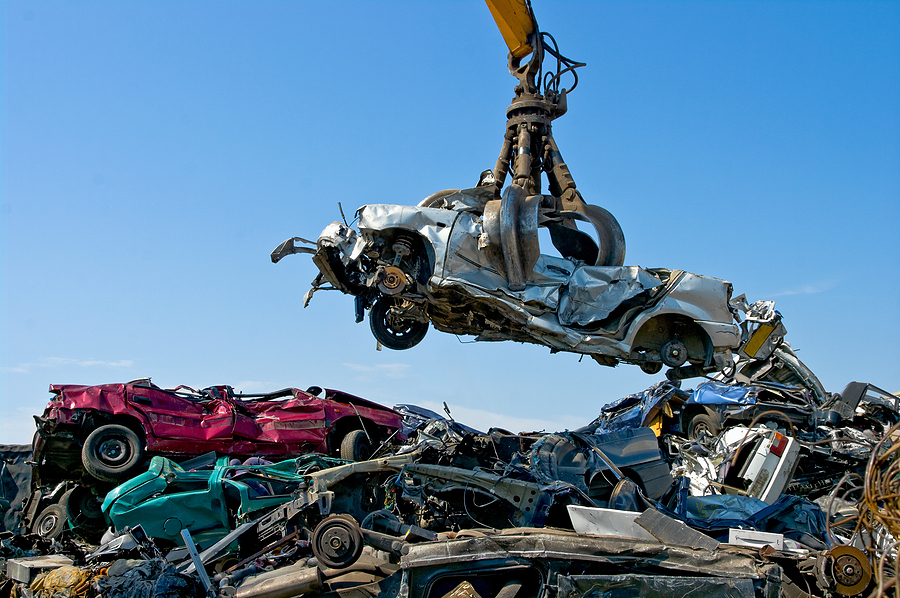
When a vehicle reaches the end of its life, junk car buyers and their automobile recycling facilities come into play. Vehicles are collected and transported to salvage yards, where they are dismantled and repurposed. Recyclable parts are inventoried and stored, while the rest of the vehicle is crushed and shredded. The metals extracted are then melted and repurposed into new products, including components for future automobiles.

The Importance of Proper Junk Car Disposal

One key aspect of auto recycling is ensuring that all hazardous fluids and materials are disposed of safely. This includes the treatment and safe disposal of oils and other fluids, as well as the handling of asbestos, lead, and mercury, which can be present in older vehicles.

Benefits of Auto Recycling

The benefits of auto recycling are far-reaching, affecting the environment, energy conservation, and even the economy.

Reduction in Landfill Waste

By diverting cars from the landfill, car recycling helps lessen the burden on already overstressed waste disposal systems. The average car is 75% recyclable, meaning that a significant portion of waste can be avoided through proper recycling.

Energy and Resource Conservation

Recycling a ton of steel can save over 2,500 pounds of iron ore, 1,400 pounds of coal, and 120 pounds of limestone. This translates to energy savings and a reduced strain on natural resources, aligning with a sustainable approach to material management.

Economic Benefits

The economic advantages of junk car recycling are two-fold. Consumers benefit from cheaper auto parts, and the industry provides jobs to those involved in collection, processing, and the manufacturing of recycled materials. Additionally, the sale of scrap metal can serve as a revenue stream for individuals or organizations handling the recycling process.

Tips for Eco-Conscious Auto Enthusiasts

For those who are committed to sustainable practices, there are several ways to engage with scrap vehicle recycling on a personal level.

Choosing Reputable Recycling Facilities

Not all automotive recycling centers adhere to the highest standards of environmental and ethical practices. Doing research and selecting a reputable facility ensures that your recycling efforts are contributing positively to the environment.

DIY Auto Recycling Projects

For the hands-on enthusiast, DIY auto recycling projects provide a sense of fulfillment and an opportunity to contribute. From salvaging parts for your own use to making art from car pieces, the possibilities are endless.

Selling Old Parts for Reuse

If a certain part from an old vehicle is still in working condition, it could be sold or donated for reuse. This not only reduces waste but also provides others with affordable parts for their automotive needs.

Conclusion

Auto recycling is more than just an environmental strategy; it’s a holistic approach to re-imagining the life cycle of automobiles. Whether you’re an Eco-conscious driver, a sustainability advocate, or a passionate gear-head, auto recycling presents ample opportunities to contribute to a greener planet. It’s time to turn the key and drive towards a future where our roads are as sustainable as the vehicles that travel them.

Ready to transform your clutter into cash and make a positive impact on the environment? Garden City Iron & Metal is your go-to destination for junk car recycling in Indianapolis, Indiana. We pay cash on the spot for all scrap cars and auto parts, offering you a rewarding and Eco-friendly way to dispose of your unwanted vehicles. Don’t let your junk car or unused auto parts take up space and harm the environment. Contact us at 1-888-586-5322 and take a step towards a greener planet, with immediate cash in your pocket.

Related Posts:

Auto Recycling Facts That Will Shock You
How to Easily Recycle Auto Parts for Maximum Sustainability
The Benefits of Automotive Scrap Metal Recycling for Local Economies
How Steel Recycling is Shaping our Sustainable Future

We live in an age where sustainability isn’t just a buzzword—it’s a mandate. As concerns about our planet’s health continue to mount, industries are being called upon to rethink their processes and products. Steel, a material that has been integral to our technological and infrastructural development, presents a dichotomy. On one hand, its unique properties make it indispensable for modern life; on the other, its manufacturing is energy-intensive and can contribute to environmental deterioration.

Enter steel recycling—a vital practice that not only mitigates the negative impacts of steel production but also plays a major role in shaping a sustainable future for our world.

Call 1-888-586-5322 to Speak With Our Friendly Scrap Steel Recyclers in Indianapolis Indiana

THE BENEFITS OF STEEL RECYCLING

Driving Down Energy Consumption and Emissions

Steel production, especially from raw materials, is a significant contributor to greenhouse gas emissions. However, the metal recycling process slashes these figures dramatically. For example, when steel is made from recycled materials, it can lead to energy savings of up to 60%. In 2018, the global steel recycling rate was an impressive 87%, demonstrating the sector’s commitment to sustainable practices.

Preserving Natural Resources

The demand for steel is insatiable, but the earth’s resources are finite. By recycling steel, we reduce the need for mining raw materials, which leads to conservation of energy and water and a decrease in pollutants associated with extraction activities.

Fostering Economic Growth and Employment

Steel recycling unlocks economic potential by creating jobs in collection, processing, and support services. Moreover, consumers and businesses alike can capitalize on selling scrap steel. Countries with burgeoning steel recycling industries have reported increased GDP and reduced dependency on imported materials.

THE STEEL RECYCLING PROCESS

Understanding the intricate process behind steel recycling sheds light on its significance and challenges.

From Collection to Shaping

The steel recycling journey begins with the collection and sorting of scrap steel. Magnetic and other mechanical processes help categorize various types of steel for efficient handling. Once sorted, steel is shredded, cleaned of any contaminants, and melted down in a furnace, ready for reshaping into new products.

Complex Techniques for Purity

Impurities can compromise the integrity of recycled steel. Techniques such as the use of electric arcs to melt steel, which allows for precise temperature and compositional control, and the addition of fluxes for purification are essential steps in producing high-quality recycled steel.

INNOVATIONS IN STEEL RECYCLING

As with any sector, innovation is the bedrock of evolution. In steel recycling, cutting-edge technologies stand poised to revolutionize the industry.

Advanced Practices and Smart Tech

Emerging technologies aim to make the steel recycling process more efficient and environmentally friendly. High on this list is the use of AI and machine learning to optimize sorting efficiency and waste reduction. Furthermore, advancements in electric arc furnace processes continue to drive down energy requirements.

Circular Economy and Material Science Tie-Ins

A holistic approach to steel recycling includes embedding it within the circular economy. Innovations in material science look to make steel more ‘recyclable’ by improving the design and end-of-life reuse of steel products, further closing the material cycle.

Synergistic Partnerships

To tackle the complexity of recycling, partnerships between industry leaders, research institutions, and governments are critical. These collaborations foster knowledge sharing, access to funding, and a unified front in addressing the challenges of recycling.

CASE STUDIES AND SUCCESS STORIES

Real-world examples not only illustrate the promise of steel recycling but also prove its efficacy.

Local Initiatives with Global Impacts

Communities around the world are taking the lead in initiating steel recycling projects with significant environmental and social benefits. These can include everything from local cleanup and recycling efforts in marine environments to city-wide steel bottle bank programs.

Industry Giants Paving the Way

Leading steel manufacturers are increasingly investing in technology and infrastructure that supports recycling. Some have even begun offering ‘buyback’ programs for certain steel products, encouraging a closed-loop approach to steel use.

THE FUTURE OF STEEL RECYCLING

Looking forward, the potential for steel recycling to shape a sustainable future is enormous.

Anticipating Growth and Advancements

The steel recycling industry is expected to grow further, driven by a combination of environmental imperatives, economic incentives, and technological progress. As we advance, we’re likely to see a transition from post-consumer recycling to increased integration of steel scrap into the industrial production cycle.

The Role of Policy and Regulation

Government policies and international agreements will play a pivotal role in incentivizing and regulating steel recycling practices. Environmental regulations and carbon pricing mechanisms are likely to become ever more stringent, further promoting the adoption of recycling.

Aligning with Consumer and Industry Trends

As consumer demand for sustainable products rises, the steel industry will need to adapt. This includes cultivating a market for recycled steel products and integrating sustainability into the branding and marketing of steel goods.

Conclusion

The journey to a more sustainable future is paved with the recycled steel of yesterday. As we progress, each recycled steel product is not just a marker of our past consumption but a beacon of hope for a better tomorrow. The advancements we make in steel recycling today will not only define the environmental footprint of our industry but also our capacity to leave a thriving planet to future generations. It is a collective responsibility, an industrial challenge, and a monumental opportunity for us all.

Are you looking for a Central Indiana metal recycling center that pays cash on the spot for scrap steel? Just contact Garden City Iron & Metal at 1-888-586-5322 for professional, EPA-regulated scrap metal recycling services in Indianapolis, Indiana. Not only do we pay cash on the spot for all types of scrap metal, but we pay out the highest offers around.

Discover More About Steel Recycling – Read Our Insights

Revolutionizing Industries: The Impact of Steel Recycling
Why We Need to Recycle More Scrap Steel
Are Steel Prices Good Right Now?