Collecting aluminum cans is a practical way to clean up your local environment while earning a little extra cash. You might have a few bags of crushed cans sitting in your garage, waiting for a trip to the scrap yard, and wondering just how much they are actually worth.
Turning your recycling efforts into a meaningful payout requires a bit of effort and an understanding of how scrap metal pricing works. It is not just about bringing in a few dozen cans; it is about knowing the current market rates, understanding the weight-to-can ratio, and employing strategies to maximize your return.
By taking the time to learn the mathematics behind scrap aluminum, you can set realistic goals for your recycling routines. This guide will walk you through the factors that determine your payout, providing a clear breakdown of exactly what it takes to reach that $100 milestone.
Understanding Aluminum Can Value
When you bring your aluminum to a scrap yard, you are rarely paid by the individual can. Instead, recycling centers pay based on the total weight of the metal.
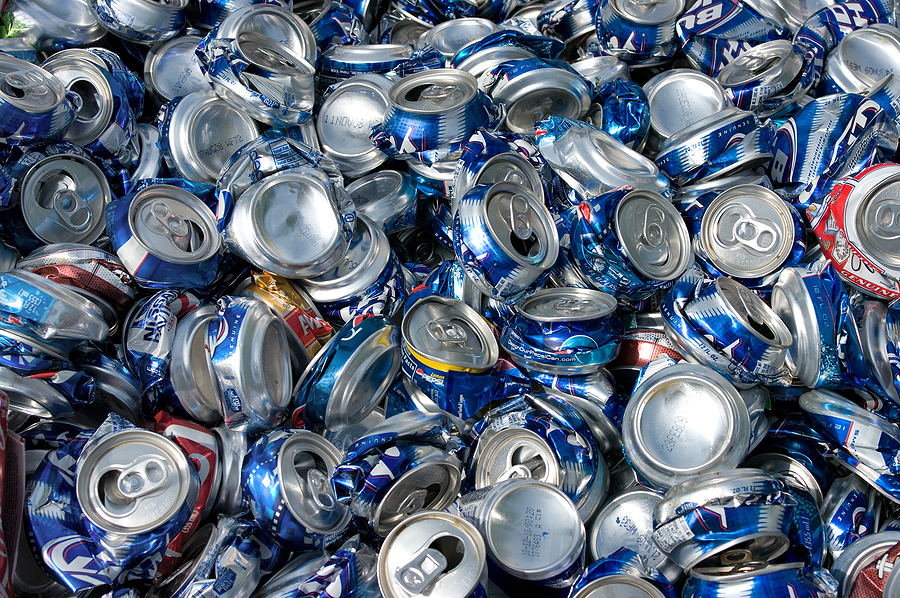
To figure out your potential earnings, you first need to know how many cans make up a single pound. Because can designs have become thinner and more efficient over the years, it generally takes between 32 and 35 standard 12-ounce cans to equal one pound of aluminum.
Understanding this conversion is the foundation of estimating your profits. If you know the current price per pound offered by your local recycling facility, you can easily calculate the physical volume of cans you need to collect.
Factors Affecting Can Prices
The payout you receive for your aluminum is not a static number. It fluctuates based on a variety of local and global factors.
Global Market Trends
Aluminum is a globally traded commodity. When the demand for raw aluminum increases in manufacturing sectors, the price scrap yards are willing to pay for your recycled cans usually goes up. Conversely, if there is a surplus of aluminum in the market, prices will temporarily dip.
Geographic Location
Where you live heavily influences your payout. Some states have bottle bill laws, offering a flat deposit rate (often 5 to 10 cents per can), which drastically changes the math. However, in states without these deposits—like Indiana—you rely entirely on the scrap metal value.
Scrap Yard Variations
Even within the same city, different scrap metal recycling centers offer different rates. One facility might pay $0.40 per pound, while another a few miles away might offer $0.60 per pound for clean, dry cans. Taking the time to call around can significantly boost your overall earnings.
Calculating Cans for $100: A Detailed Breakdown
To figure out exactly how many cans you need to reach $100, we have to use a realistic current scrap price. Let us look at a typical scenario based on average non-deposit state prices.
Assume your local scrap yard is paying $0.50 per pound for clean aluminum cans.
First, determine how many pounds of aluminum you need to hit your financial goal. You divide your target amount ($100) by the price per pound ($0.50).
$100 ÷ $0.50 = 200 pounds of aluminumNext, you need to translate that weight into an actual number of cans. Using the standard estimate of 32 cans per pound, you multiply the total pounds needed by the number of cans per pound.
200 pounds × 32 cans = 6,400 cansSo, at $0.50 per pound, you would need to collect, store, and transport approximately 6,400 aluminum cans to walk away with a $100 bill. If the market price jumps to $0.75 per pound, the requirement drops to roughly 4,266 cans.
Maximizing Your Recycling Efforts
Collecting thousands of cans takes dedication. To ensure you get the absolute best price for your hard work, you need to prepare your haul properly before heading to the scrap yard.
Keep the Cans Clean and Dry
Moisture, sticky soda residue, and dirt add false weight to your bags. Scrap yards are strictly looking for metal, not leftover liquids. Many facilities will deduct a percentage of your total weight—sometimes up to 20%—if they notice the cans are wet or contaminated with trash. Rinse your cans and let them dry out.
Separate Your Metals
Make sure no tin, steel, or plastic gets mixed into your aluminum bags. Even a few steel cans can contaminate a batch, prompting the buyer to lower the price or reject the load entirely. You can use a simple refrigerator magnet to test your cans; magnets stick to ferrous metal like steel, but they will not stick to aluminum.
Store and Crush efficiently
Storing 6,000 cans requires serious space. Crushing your cans saves a massive amount of room, allowing you to take fewer trips to the scrap metal recycling center. Just be sure to check with your specific local scrap yard first, as a small number of facilities prefer uncrushed cans for their automated sorting machines.
The Environmental and Economic Impact of Recycling
While earning cash is a great motivator, the environmental benefits of your effort are truly profound. Aluminum is infinitely recyclable. This means a single can could theoretically be melted down and repurposed endlessly without ever losing its structural integrity.
Recycling just one aluminum can saves enough energy to power a television for roughly three hours. When you recycle 6,400 cans to make your $100, you are saving a tremendous amount of energy compared to the costly, destructive process of mining new bauxite ore to create virgin aluminum. Your routine directly supports a circular economy, reducing landfill mass and lowering global carbon emissions.
Frequently Asked Questions about Aluminum Can Recycling
Do I need to remove the pull tabs before recycling?
No, you do not need to remove the tabs. They are made of the same high-quality aluminum as the rest of the can. While some charities collect tabs specifically, removing them for standard scrap recycling does not change your payout per pound.
How do I know if a scrap yard’s scale is accurate?
Reputable recycling centers have their scales routinely checked and certified by local government agencies, usually the department of weights and measures. You can look for a certification sticker on or near the scale.
Can I recycle crushed aluminum foil with my cans?
Most scrap yards require you to keep aluminum foil and aluminum cans separate. Foil is often categorized as “sheet aluminum” and may fetch a different price than heavily regulated beverage cans.
Your Role in Sustainable Recycling
Every bag of cans you save from the trash contributes to a healthier environment. It requires patience and consistent effort to accumulate enough material for a significant financial payout, but the dual benefits of extra income and ecological preservation make it a highly rewarding habit.
By keeping your metals clean, monitoring market prices, and understanding the math behind your collection, you can turn a simple household chore into a highly efficient green enterprise.
Ready to turn your empty beverage containers into cash? Maximize your community impact and your wallet with our aluminum can recycling service in Columbus, Indiana. Contact us today for a free offer.
Related Post: The Benefits of Aluminum Recycling: Unlocking Sustainable Solutions