Car repairs often come with a heavy financial burden. Replacing a faulty engine, a cracked radiator, or a damaged side mirror can quickly deplete your savings account. Purchasing used car parts offers a highly practical alternative to buying expensive new components.
Many drivers feel hesitant about buying second-hand auto parts. You might worry about reliability, hidden damage, or purchasing a component that simply fails to fit your specific vehicle. These are valid concerns. Finding the right part requires careful attention to detail and a methodical approach.
This guide will walk you through the process of sourcing, inspecting, and purchasing used auto parts. You will learn how to verify compatibility, ask the right questions, and secure reliable components that keep your vehicle running smoothly safely and affordably.
Why Choose Used Parts?
The primary motivation for purchasing used auto parts is the significant cost reduction. Used parts can slash your repair bills by 50% or more without sacrificing quality. For example, a brand-new alternator might cost you upwards of $400 from a dealership. You can often find a reliable, tested used alternator for around $150. These savings quickly add up, especially for major components like transmissions and engines.
Benefits Beyond Cost Savings
The advantages extend far beyond your wallet. Choosing recycled parts helps reduce industrial waste and supports sustainable automotive practices. Every part you reuse is one less piece of metal ending up in a landfill.
Furthermore, used parts are often the only solution for older or rare vehicles. When manufacturers discontinue original equipment manufacturer (OEM) parts, salvage yards and auto recyclers become the best resource for keeping your classic or aging car on the road.
Finding Quality Used Car Parts
Reputable Sellers and Where to Look
Knowing where to shop is half the battle. Your source dictates the quality and reliability of the part you take home.
Salvage Yards and Auto Recyclers
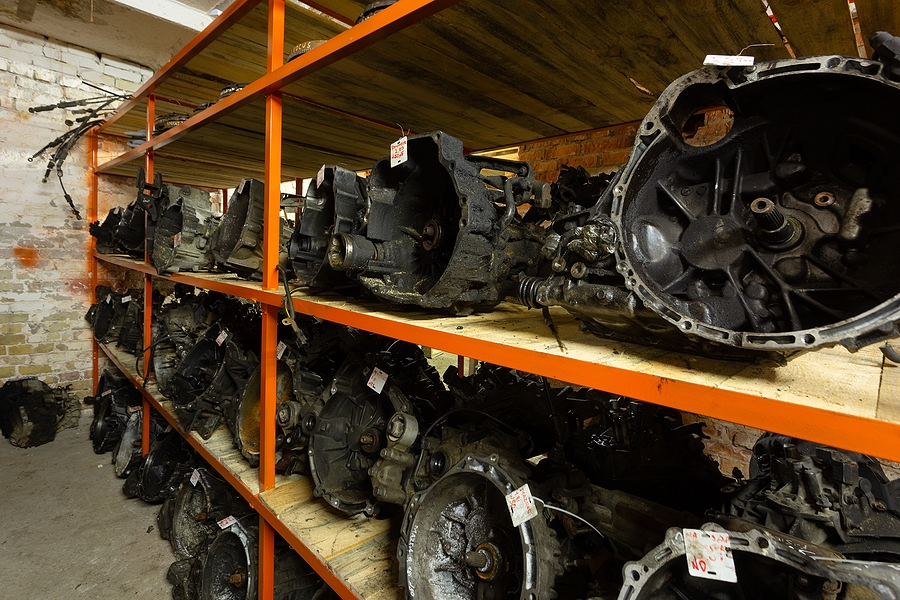
Local salvage yards and professional auto recyclers are excellent starting points. Certified suppliers typically follow strict quality standards. They drain fluids safely, catalog inventory accurately, and often test components before adding them to their shelves. Visiting a local yard also gives you the opportunity to inspect the item in person before handing over your money.
Online Marketplaces and Forums
The internet provides access to a massive national inventory. Specialized auto parts websites, eBay, and enthusiast forums can help you track down highly specific or rare components. When buying online, always check the seller’s reviews and ratings. Look for clear, well-lit photos of the actual part, rather than stock images.
Inspecting Parts Before Purchase
A visual inspection can save you from a major headache down the road. Even if a part is compatible, a damaged component will not serve you well.
What to Look For
Examine the item closely for visible damage. Look for hairline cracks, rust, or excessive wear on mounting points. If the part features moving components, ensure they operate smoothly without grinding or stiffness. For electrical items, check the connectors for corrosion or burnt pins.
Questions to Ask Sellers
Gathering the right background information builds confidence in your purchase. Always ask the seller specific questions:
- How many miles were on the donor vehicle?
- Was the vehicle involved in a major collision?
- Has the part been tested or refurbished?
- How long has the part been sitting in storage? (This is especially important for batteries, which degrade quickly when unused).
Ensuring Compatibility
Vehicle Information Essentials
The most critical step in buying used parts is ensuring an exact fit. Always have your Vehicle Identification Number (VIN) easily accessible. This unique 17-character code provides exact details about your car’s make, model, year, and specific trim level. Providing the VIN to an auto recycler helps them guarantee that the part they pull matches your vehicle perfectly.
Part Numbers and Cross-Referencing
Whenever possible, locate the original OEM part number on your broken component. Matching this exact number is the safest way to ensure compatibility. If you cannot find the exact match, utilize interchange catalogs or parts cross-reference lookup tools. Many vehicle manufacturers share parts across different models and years. An interchange tool can reveal if a part from a different car will bolt flawlessly onto yours.
Tips for a Smooth Purchase
Price Negotiation Strategies
Used auto parts do not always have a fixed price tag. Research the market rate by checking multiple suppliers for the same component. Use this data to negotiate a fair deal. However, exercise caution if you encounter a price that seems suspiciously low. A deeply discounted engine or transmission might come from a seller who skips crucial testing procedures.
Warranties and Return Policies
Reputable auto parts suppliers stand behind their products. Ask about the warranty before finalizing your transaction. Many established salvage yards offer 30-day or 90-day warranties on their parts. Clarify the specific terms. Does the warranty cover a full refund, or only a part exchange? Do they charge restocking fees if you accidentally buy the wrong item?
Installation Considerations
Think about how the part will be installed before you buy it. If you plan to complete the repair yourself, ensure you have the proper tools, torque specifications, and high-quality fasteners required for a safe installation. If you intend to hire a professional mechanic, call your local repair shop ahead of time. Some mechanics refuse to install customer-supplied used parts due to liability and warranty concerns.
FAQ: Common Questions About Used Car Parts
What car parts are safe to buy used?
Body panels, mirrors, rims, interior trim, and glass are incredibly safe to buy used. Mechanical parts like engines, transmissions, and alternators are also safe choices as long as they come from a reputable supplier who tests them.
What used auto parts should I avoid?
Always prioritize safety. You should never buy used airbags, seatbelts, brake pads, or brake rotors. These consumable and safety-critical components should always be purchased brand new.
How do I know if a used part will fit my car?
Match the exact OEM part number from your old component. You can also provide the seller with your Vehicle Identification Number (VIN) so they can verify exact fitment through their database.
Repair Your Vehicle With Confidence
Purchasing used auto parts empowers you to maintain your vehicle without breaking the bank. By verifying compatibility, inspecting parts thoroughly, and asking the right questions, you can navigate the repair process smoothly and get your car safely back on the road.
Are you looking for high-quality used car parts in Indianapolis, Indiana? Garden City Iron & Metal is your trusted local source. We offer a wide selection of tested, refurbished auto parts at affordable prices. Contact us today to find the exact part you need for your next repair!
Related Post: Turning Junk into Cash: Your Guide to Selling Used Auto Parts