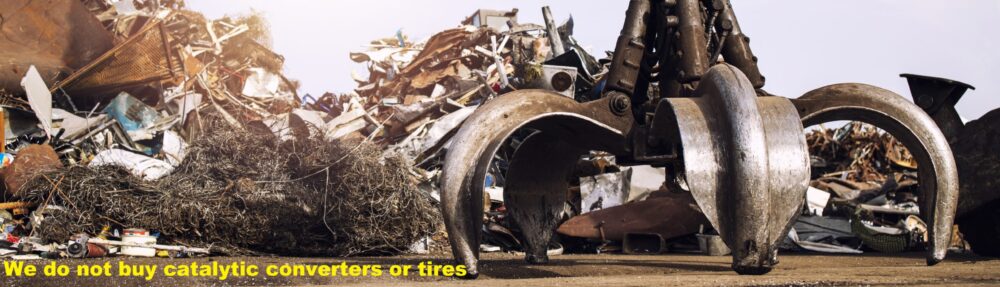
That old refrigerator gathering dust in your garage holds more potential than you might think. Scrap metal rarely ends its life as junk. Instead, it gets melted down, reshaped, and reborn into products that touch nearly every part of daily living.
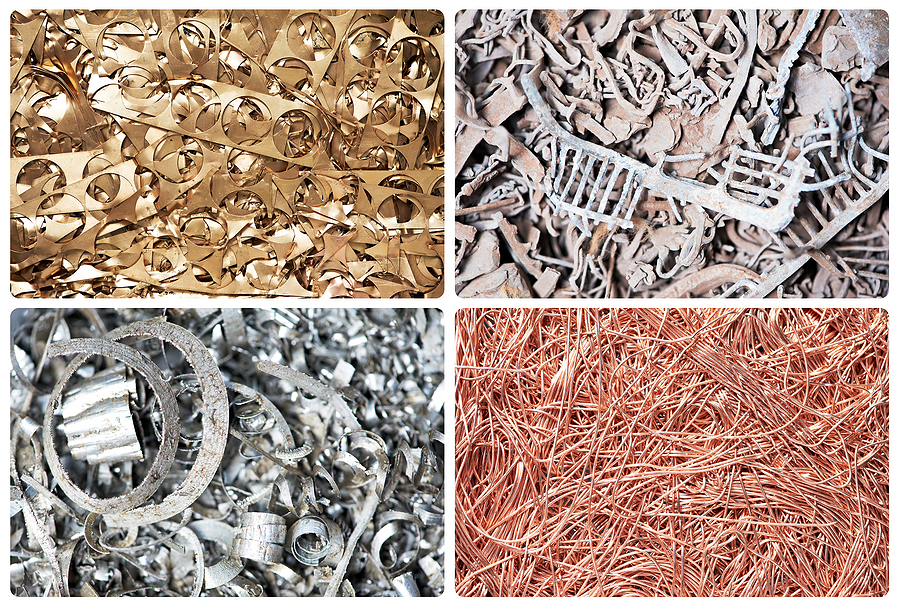
Metal is one of the most recyclable materials on the planet. Steel, aluminum, copper, and brass can all be reprocessed without losing their core properties. This makes them ideal candidates for a circular economy, where waste becomes raw material again and again.
In this post, we’ll explore the surprising places recycled scrap metal shows up—from the cars on your street to the artwork in your local park. By the end, you’ll see scrap not as trash, but as a valuable resource worth saving.
From Old Cars to New Creations: Automotive Applications
The automotive industry is one of the biggest consumers of recycled metal. Cars are among the most recycled products in the world, with roughly 25 million tons of steel recovered from end-of-life vehicles each year.
The Circular Economy of Auto Manufacturing
When a car reaches the end of its road, it doesn’t simply disappear. Recyclers strip it for usable parts, then shred and melt the remaining metal. That recycled steel often goes straight back into building new vehicles. Many automakers now rely on recycled content to manufacture engine blocks, body panels, and wheels.
Benefits Beyond the Junkyard
Using recycled metal in auto manufacturing saves enormous amounts of energy. Producing steel from recycled scrap uses about 60% less energy than making it from raw iron ore. That means lower costs for manufacturers, fewer emissions in the air, and less mining of virgin materials. Old auto parts also find second lives—a working alternator or transmission can serve another vehicle for years.
Building a Greener Future: Construction and Infrastructure
The construction sector swallows up massive quantities of recycled metal. Steel is the most recycled material in North America, and much of it ends up in the buildings and roads we use every day.
Rebar and Structural Steel: The Backbone of Modern Buildings
Reinforcing bar, or rebar, is the steel skeleton hidden inside concrete columns, bridges, and foundations. A large share of rebar comes from recycled scrap. Structural steel beams that hold up skyscrapers and warehouses also carry high recycled content, often exceeding 90% in the case of structural sections made in electric arc furnaces.
Sustainable Infrastructure Projects
Bridges, railways, and utility towers all depend on recycled steel. Choosing recycled materials helps builders meet green building standards like LEED. It also reduces the environmental footprint of large public works, which is why many government projects now prioritize recycled-content materials.
Everyday Wonders: Consumer Products Made from Recycled Metals
Look around your home and you’ll spot recycled metal in dozens of places. Manufacturers love these materials because they’re durable, affordable, and kind to the environment.
Appliances and Electronics: Giving Old Tech New Life
Washing machines, refrigerators, and ovens contain large amounts of steel that can be recycled when the appliance dies. That same recycled steel often shows up in the next generation of appliances. Electronics also contain valuable metals like copper, gold, and aluminum, which recyclers recover and reuse in new devices.
Packaging and Beyond: The Ubiquity of Recycled Aluminum
Aluminum is the recycling superstar of the packaging world. A recycled aluminum can be back on a store shelf as a new can in as little as 60 days. Recycling aluminum saves up to 95% of the energy needed to make it from scratch, which is why so much canned food, soda, and foil contains recycled content.
Industrial Innovations: Manufacturing and Machinery
Heavy industry leans heavily on recycled metal to keep costs down and production steady. Factories and workshops put scrap to work in ways most people never see.
Heavy Machinery and Equipment
Tractors, cranes, and industrial presses require tons of strong, reliable steel. Recycled metal meets that demand without sacrificing strength. Because recycled steel performs just as well as new steel, manufacturers can build durable equipment while trimming their material costs.
Tooling and Components: Precision from Recycled Materials
Recycled metals also feed the production of precision parts—gears, fasteners, valves, and tools. These components demand tight tolerances and consistent quality, and recycled steel and aluminum deliver both. The result is high-performance machinery built on a foundation of reclaimed material.
Art and Design: Creative Uses of Repurposed Metal
Beyond industry, scrap metal sparks creativity. Artists and designers see beauty in discarded materials, transforming them into pieces that surprise and delight.
Sculptures and Installations
Public sculptures and gallery installations often begin as piles of scrap. Welded steel, salvaged car parts, and old tools become striking works of art. These creations celebrate sustainability while giving cities and towns unique landmarks.
Upcycled Furniture and Decor
Designers turn reclaimed metal into tables, lamps, shelving, and decorative accents. Upcycled furniture carries character that mass-produced pieces lack, and it appeals to buyers who want stylish, eco-friendly options for their homes.
Frequently Asked Questions About Recycled Scrap Metal
What types of scrap metal are most commonly recycled?
Steel and iron lead the pack as the most recycled metals, followed by aluminum, copper, and brass. These metals are found in everything from cars and appliances to cans and wiring, making them widely available for recycling.
How does scrap metal recycling benefit the environment?
Recycling metal cuts energy use dramatically, reduces greenhouse gas emissions, and limits the need for mining new ore. It also keeps usable materials out of landfills, conserving natural resources for future generations.
Can all scrap metal be recycled indefinitely?
Most metals, including steel and aluminum, can be recycled repeatedly without losing quality. This makes them true champions of the circular economy, able to cycle from product to scrap to new product over and over again.
Embracing the Future of Recycled Metals
Recycled scrap metal touches almost every corner of modern life. It builds our cars, supports our buildings, fills our kitchens, powers our factories, and inspires our artists. Each piece of metal you recycle helps conserve energy, protect the environment, and feed a thriving circular economy.
Ready to turn your scrap into cash? Call Garden City Iron & Metal in Columbus, Indiana to recycle your scrap metal or buy and sell used auto parts. We pay cash on the spot for all scrap metal materials—give us a call today.
Related Posts:
Unleash the Potential Applications of Recycled Scrap Metal
Are Steel Prices Good Right Now?
How to Find and Sell Scrap Metal in Your Town