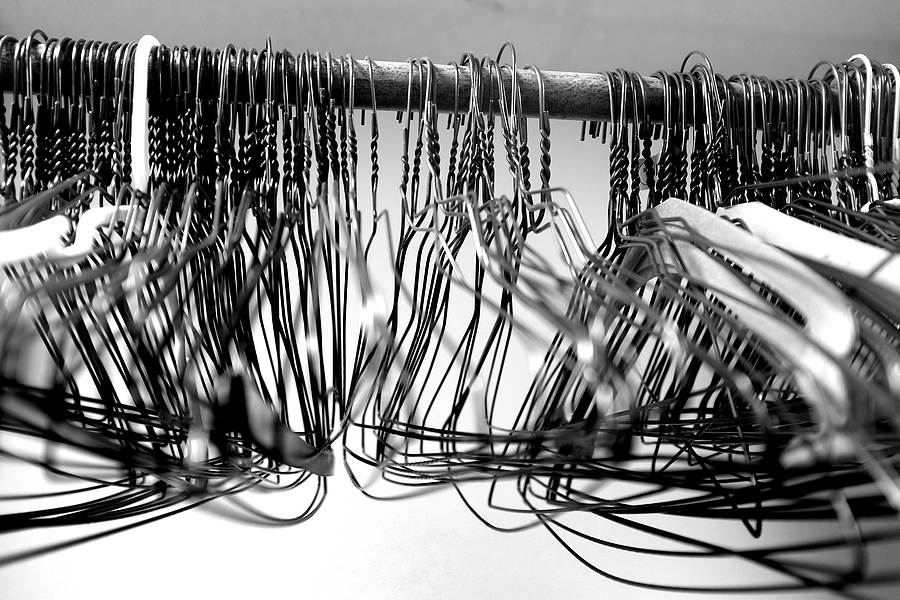
Most households have a collection of wire hangers piling up in closets, on doorknobs, or stuffed in laundry rooms. They come home from the dry cleaner, accumulate over the years, and rarely get a second thought. But those metal hangers aren’t just clutter—they’re a recyclable material with real environmental and economic value.
Recycling metal hangers is a small habit with a surprisingly meaningful impact. Steel and aluminum are infinitely recyclable materials that retain their properties through every recycling cycle. That means each hanger you keep out of a landfill contributes to a more sustainable supply chain—and takes pressure off the planet’s finite natural resources.
This post breaks down exactly why metal hanger recycling matters, how to do it the right way, and how Indianapolis residents can turn their old hangers into cash.
Why Metal Hanger Recycling Matters for the Planet
Reducing Landfill Waste
Metals don’t biodegrade. When a wire hanger ends up in a landfill, it can remain there for hundreds of years, slowly leaching heavy metals and toxins into the surrounding soil and groundwater. These contaminants affect local ecosystems, reduce agricultural land quality, and can even reach drinking water supplies.
By diverting metal hangers from the waste stream, you help extend the lifespan of existing landfills and reduce the pressure communities face when siting new ones. It’s a small act, but when multiplied across millions of households, the cumulative impact is significant.
Conserving Natural Resources
Producing new steel requires iron ore, coal, and limestone—all of which must be mined from the earth at considerable environmental cost. Mining operations strip topsoil, destroy habitats, and generate acid runoff that can contaminate waterways for decades.
Recycling one ton of steel saves approximately 2,500 pounds of iron ore, 1,400 pounds of coal, and 120 pounds of limestone, according to data from Okon Recycling. Choosing to recycle your metal hangers—even in small quantities—contributes to reducing that demand for raw extraction.
Lowering Energy Consumption
Manufacturing metal from raw ore is enormously energy-intensive. Recycling existing steel uses about 60% less energy than producing it from iron ore, according to the U.S. Environmental Protection Agency. Recycling one ton of steel also prevents approximately 1.5 tons of CO₂ emissions.
Scaled up, the EPA estimates that metal recycling cuts greenhouse gas emissions by 29 million tons of carbon dioxide annually—the equivalent of removing 6.3 million cars from the road. Every hanger you recycle is a small piece of that equation.
The Economic Advantages of Recycling Metal Hangers
Earning Money from Scrap Metal
One of the more practical reasons to recycle metal hangers is simple: it pays. Scrap metal facilities accept wire hangers as ferrous scrap (steel) or non-ferrous scrap (aluminum) and offer payment based on weight and market rates. While an individual hanger doesn’t weigh much, bulk collections from households, laundries, or dry cleaners can add up quickly.
Supporting the Recycling Industry
The scrap recycling industry is a major driver of the U.S. economy. According to a study by the Institute of Scrap Recycling Industries, the industry supports 471,587 direct and indirect jobs nationwide and generates more than $105 billion in annual economic activity. By bringing your metal hangers to a local recycling facility, you’re actively supporting that industry and the jobs it creates in your community.
How to Recycle Your Metal Hangers
Identifying Recyclable Metal Hangers
Most wire coat hangers—especially those from dry cleaners—are made of steel. A quick way to confirm: hold a magnet against the hanger. Steel is magnetic, so the magnet will stick firmly. If there’s no attraction, the hanger is likely made of aluminum, which is also recyclable but typically commands a higher price at scrap facilities.
Both steel and aluminum hangers are accepted at most scrap metal facilities. Plastic and wooden hangers, however, are a different story—most curbside recycling programs and scrap yards do not accept them.
Finding Local Recycling Centers
Wire hangers cannot go in your curbside recycling bin. The thin gauge wire tangles in sorting machinery and causes costly equipment damage. Instead, you’ll need to bring them directly to a local scrap metal facility.
Dry cleaners and thrift shops are other options. Many dry cleaning businesses gladly accept wire hangers back for reuse, which extends the life of the hanger before it eventually needs to be recycled. If you’re in Indianapolis, a quick search for local scrap metal recyclers in your area will point you toward facilities that accept residential scrap, including wire hangers.
Preparing Hangers for Recycling
Preparation is minimal, but a few steps make the process smoother:
- Remove non-metal components: Paper covers, cardboard tubes, and plastic attachments should be stripped off where possible.
- Bundle hangers together: Grouping hangers in a bundle makes them easier to transport and weigh at the facility.
- Separate by metal type: If you have both steel and aluminum hangers, keeping them separate allows the facility to sort and value them accurately.
Common Misconceptions About Metal Hanger Recycling
Can All Metal Hangers Be Recycled?
Not all metal-looking hangers are actually recyclable metal. Some hangers have plastic coatings or combined materials that complicate the recycling process. As a rule, if the hanger is a bare wire without any coating or non-metal attachments, it’s almost certainly recyclable at a scrap metal facility. When in doubt, call your local recycler before making the trip.
The Difference Between Steel and Aluminum Hangers
Steel wire hangers are heavier, magnetic, and usually a darker gray color. They’re the most common type and what dry cleaners typically use. Aluminum hangers are lighter, silver-gray with a slightly cooler tone, and non-magnetic. Both are valuable recyclable materials—but they need to be identified and separated correctly to get accurate pricing at a scrap facility. The simple magnet test described above is all you need to tell them apart.
Frequently Asked Questions
Where can I recycle metal hangers near me?
Wire hangers are not accepted in curbside recycling bins because they damage sorting equipment. You’ll need to bring them to a local scrap metal facility or recycling center. Many dry cleaners also accept wire hangers for reuse. In Indianapolis, local scrap metal recyclers can provide same-day quotes and accept residential quantities.
Do I need to remove plastic or cardboard parts from hangers before recycling?
It’s a good idea to remove paper or plastic attachments where you can—this helps the facility sort and process the metal more efficiently. However, most scrap yards can handle a small amount of contamination. When in doubt, call ahead to confirm what the facility prefers.
Are there any types of hangers that cannot be recycled?
Plastic and wooden hangers are generally not accepted by scrap metal facilities and are difficult to recycle through curbside programs. Heavily coated wire hangers may also pose challenges. Some retailers—including Target, Kohl’s, and Walmart—have in-store hanger take-back programs specifically for plastic hangers, which can be a useful alternative.
Make a Sustainable Choice Today
Recycling metal hangers is one of the simplest ways to keep a reusable material out of a landfill—and put a little money back in your pocket at the same time. The environmental benefits are real, the process is straightforward, and local facilities make it easy.
Ready to recycle your metal hangers in Indianapolis, Indiana? Bring your scrap to Garden City Iron & Metal to get cash on the spot for all your scrap metal items. Request your free offer today.
Related Posts:
Top 5 Metals to Source From Household Scrap
How to Look for Scrap Metal Around the House
Discover Hidden Wealth: Precious Metal Recyclables in Your Trash