Recycling Scrap Steel: Help the Planet and Pocket Some Cash

Recycling scrap steel is more than an opportunity to declutter your garage or worksite; it’s a chance to make a positive environmental impact while earning extra income. Whether you’re a homeowner, construction contractor, or a DIY enthusiast, recycling scrap steel is an effective way to turn something old into something valuable. 

This guide will walk you through the benefits of scrap steel recycling, how to prepare your steel for recycling, where to sell it, and what factors influence scrap steel prices. By the end, you’ll know exactly what steps to take to recycle steel smartly and sustainably. 

Call 1-888-586-5322 to Talk to Our Professional Steel Recyclers in Indianapolis Indiana

Benefits of Recycling Scrap Steel 

Recycling steel offers dual rewards for you and the planet. It reduces waste in landfills, saves energy, and cuts down on the need for mining raw materials. By choosing to recycle, you’re contributing to a more sustainable future while helping to conserve natural resources. Here’s how: 

Environmental Advantages 

▷ Resource Conservation 

Steel recycling reduces the demand for mining raw materials like iron ore and coal, which are required to produce new steel. By reusing what already exists, industries can save energy and reduce harmful emissions. 

▷ Reduced Landfill Waste 

Scrap steel that gets recycled doesn’t end up in overcrowded landfills. This helps conserve landfill space and prevents environmental hazards caused by metal contamination in the soil. 

Economic Benefits 

▷ Earn Money 

Recycling scrap metal is a quick and easy way to generate extra income. Scrap metal buyers and recycling centers pay cash for steel parts, so those old appliances or leftover construction materials can quickly turn into profit. 

▷ Lower Manufacturing Costs 

Scrap steel is cheaper for manufacturers to process compared to producing new steel. This decreases overall production costs, benefits the economy, and even ultimately reduces prices for end consumers. 

Types of Scrap Steel 

Before selling your scrap steel, it’s important to understand the kinds of steel recyclers and dealers will accept. 

Household Scrap 

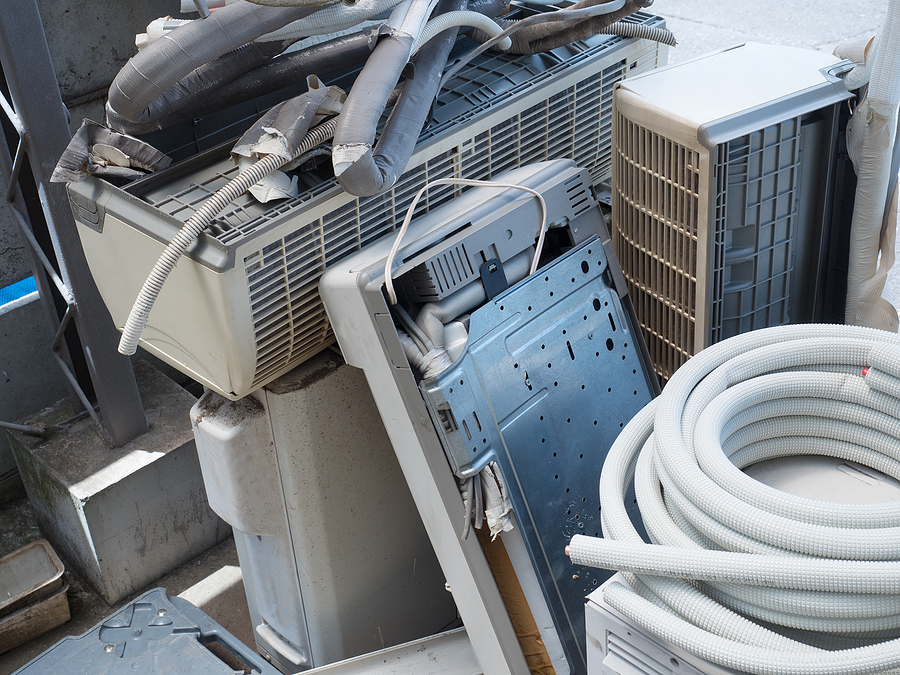
  • Appliances such as washers, dryers, refrigerators, and ovens often contain steel components that can be recycled. 
  • Tools and Utensils like hammers and kitchen cutlery also fall into this category. 

Industrial Scrap 

  • Manufacturing Byproducts such as leftover pieces of sheet metal from factories are often recycled by industrial facilities.
  • Manufacturers can gain significant savings by selling unused scrap. 

Construction Scrap 

  • Demolition Debris like steel rebar, beams, and pipes are often collected during demolition projects and sold to recycling centers. 

Recycle Steel Scrap Metal in Indy

How to Prepare Scrap Steel for Recycling 

Proper preparation can increase the value of your scrap steel and ensure that recycling goes smoothly. 

Cleaning and Sorting Tips 

  • Separate Materials – Scrap metal buyers prefer clean and sorted steel. Separate steel from other materials like aluminum, copper, or plastic components to get the best price. 
  • Remove Contaminants – Clean off grease, oil, insulation, or other contaminants to increase the value of your scrap steel. 

Safety Precautions 

Handling steel scrap requires extra care to avoid injuries. So, be sure to:

  • Wear protective gloves and safety glasses to guard against sharp edges. 
  • Move heavy items with proper lifting techniques or equipment like dollies or forklifts to prevent strains. 
  • Watch out for potentially hazardous materials like electrical wires or toxic residues mixed with the scrap. 

Where to Sell Scrap Steel 

Once your scrap steel is cleaned, sorted, and ready for recycling, there are several options for selling it. Here’s how to make the most of your scrap steel: 

Local Recycling Centers 

Check out nearby recycling facilities that specialize in metal recycling. Many local centers accept scrap steel and offer competitive rates based on the current market value. It’s a good idea to call ahead to confirm what types of scrap steel they accept and if they have specific requirements, like weight minimums or preparation guidelines. 

Scrap Metal Dealers 

Search for licensed scrap metal dealers in your area. These professionals often work within larger recycling networks and can offer fair, market-based prices for your scrap steel. Some dealers may even provide pick-up services if you have a large amount of scrap, saving you time and effort. Building a relationship with a trusted dealer can also help you get the best rates over time. 

Pro tip: Always call ahead or check online to confirm what materials local recyclers accept and ask about current market pricing. 

Factors Affecting Scrap Steel Prices 

Understanding what determines the price you’ll get for scrap steel can help you earn more. 

  • Market Demand – When industries like construction and automotive production are thriving, the demand for scrap steel rises, leading to higher prices. 
  • Steel Grade & Quality – Higher-quality steel in good condition commands better prices. Steel mixed with other materials or heavily rusted may fetch less. 
  • Transportation Costs – If you deliver scrap steel to a buyer, consider fuel and shipping costs that may cut into your overall profit. 
  • Global Trends & Regulations – International trade policies, geopolitical events, and environmental regulations all influence scrap steel prices. 
  • Seasonal Variations – Demand for steel often increases during peak construction periods, potentially boosting prices. 

Recycling Scrap Steel Is Smarter for You and the Planet 

Recycling scrap steel is a win-win. It clears up your space, gives you cash in hand, and contributes to a healthier planet. By understanding the benefits, preparing your scrap properly, and knowing where to sell it, you’ll take full advantage of everything scrap steel recycling has to offer. 

Now’s the time to start decluttering and earning! Clean out your metal scrap today and turn it into something valuable. 

If you’re ready to recycle your scrap steel and make a positive impact, visit Garden City Iron & Metal in Indianapolis. We offer competitive prices, hassle-free service, and a commitment to sustainability.

Get a Free Offer Now

Related Post: The Power of Steel: A Comprehensive Guide to Steel Recycling

How to Replace a Lost Car Title for Selling a Junk Car in Indianapolis 

Selling your junk car can bring in some quick cash and free up space, but what happens if you’ve lost the car title? The title is a critical document when selling any vehicle because it proves ownership. Yet, for those in Indianapolis looking to sell a junk car, losing or misplacing your title isn’t a dead end. With the right steps and preparation, you can get back on track and ensure a smooth transaction. 

This blog will guide you through: 

✔ How to replace a lost car title in Indianapolis. 
✔ The challenges you might face and how to resolve them. 
✔ Legal and practical tips for selling your junk car with or without a title. 
✔ Resources to help you find buyers and stay compliant with local regulations. 

Call 1-888-586-5322 to Sell a Junk Car With A Title in Indianapolis!

Why a Car Title is Essential for Junk Car Sales 

The car title is your key to demonstrating proof of ownership. Indiana law requires a valid title for vehicle transfers to ensure legal compliance and ownership transfer. Without it, selling your car can hit a roadblock. Whether you’ve lost, damaged, or even had your title stolen, replacing it helps smooth the sale process and safeguards you legally.

Step-by-Step Guide to Get a Replacement Car Title in Indianapolis 

If your car title is missing, don’t worry. Here are detailed steps to get it replaced. 

1. Gather Required Documents 

You’ll need to have the following documents ready before applying for a replacement title in Indiana: 

  • Form 205 Application for Certificate of Title: This is available on the Indiana BMV website or at any local office. 
  • Proof of Identification: A valid government-issued ID. 
  • Car Details: VIN (Vehicle Identification Number), make, and model. 
  • Lien Release: If your car had a lien and it’s now paid off, provide documentation of the lien release. 
  • Payment: The replacement title fee (generally around $15). 

2. Apply for a Replacement Title 

You can submit your application via these methods:

  • Online: Visit the Indiana BMV website to apply through their online portal. 
  • By Mail: Send your completed application form and supporting documents to the Indiana BMV office. 
  • In Person: Visit a nearby BMV location to process your request directly. 

3. Pay Any Applicable Fees 

The standard fee for a replacement title is $15. However, check with the BMV for any additional charges, such as expedited processing. 

4. Processing Time 

Typically, replacement titles take 10-21 business days to process. If you’re in a rush, ask about expedited options for faster delivery. 

Contact Our Junk Car Buyers Today!

Common Challenges and How to Overcome Them 

▶ Missing VIN 

The VIN is essential for your title application. If you can’t locate it on your car (usually found near the driver’s side dashboard or door frame), check previous insurance documents or registration paperwork. 

▶ Incorrect Paperwork 

Errors in forms or missing documents can delay the process. Double-check that all documents are accurate, complete, and signed where necessary before submission. 

▶ Liens on the Vehicle 

If your junk car still has an unpaid lien, the lender must release it before the title can be issued in your name. Contact the financial institution if this applies to you. 

▶ Delays in Processing 

Plan ahead. To avoid time-sensitive challenges, initiate the replacement process as soon as you realize your title is missing. 

FAQ About Car Title Replacement in Indianapolis 

💬 Can I sell a junk car without a title in Indiana? 

Yes, it is possible to sell a junk car without a title in Indiana by following the state’s salvage title process. This allows you to legally transfer ownership of the vehicle to a salvage yard or buyer.

💬 What if my car was never titled?

If your car has never been titled, you will need to obtain a certificate of origin from the manufacturer and apply for an original title with the Bureau of Motor Vehicles (BMV) in Indiana.

💬 How long does it take to get a duplicate title in Indianapolis?

The BMV typically processes duplicate titles within 10 business days. However, it may take longer if there are any complications or errors in the application.

💬 Is there anything else I need to do before selling my car?

Aside from obtaining a valid title and transferring ownership, it is also important to have a vehicle history report and any necessary maintenance or repair records on hand. This will help potential buyers make an informed decision and may increase the value of your car.

Additionally, it is recommended to thoroughly clean and detail your car before listing it for sale. This can improve its appearance and appeal to potential buyers.

Remember to also remove any personal belongings from the vehicle before handing over the keys. It’s always a good idea to double check that you have all necessary documents and items before finalizing the sale of your car.

Tips to Ensure a Smooth and Legal Junk Car Sale 

  • Check Local Regulations: Like many cities, Indianapolis limits how long junk cars can stay on private property. Adhering to these ordinances prevents fines while you secure a title or prepare the vehicle for sale. 
  • Verify Buyer Reputability: Always work with licensed junk car buyers who comply with Indiana vehicle transfer regulations. 
  • Dispose of Fluids Properly: Ensure any coolant, oils, or other vehicle fluids are disposed of in accordance with environmental regulations in Indianapolis. 
  • Ask for Legal Guidance: If you’re unsure about any step, seek advice from a local attorney familiar with Indiana’s vehicle laws. 

Make Selling Easy and Hassle-Free 

While replacing a lost car title may seem like a daunting task, following the right steps can simplify the process. By securing the proper documentation, understanding legal compliance, and leveraging alternative selling methods when necessary, you can turn your old junk car into cash without any legal headaches. 

Start the car title replacement process today, then connect with the trusted Columbus junk car buyers at Garden City Iron & Metal who understand the ins and outs of Indiana’s regulations.  We provide free junk car removal and pay cash on the spot, regardless of age or condition!

Sell Your Junk Car Today!  

Related Post: Demystifying Indiana Car Titles: A Guide to Selling Your Junk Car

How to Tell if a Scrap Metal Recycling Center is Reliable 

Recycling scrap metal is an excellent way to earn extra income, dispose of waste responsibly, and support environmental sustainability. But with so many options to choose from, how do you know you’ve found a reliable scrap metal recycling center? Selecting the right business ensures you get fair pricing, ethical practices, and outstanding customer service.

This guide will walk you through the key factors to consider when evaluating a scrap metal recycling facility, equipping you with the knowledge to make confident decisions and maximize your recycling experience.

Call 1-888-586-5322 to Speak With Our Scrap Metal Recycling Center in Indiana

Credentials and Certifications 

What Certifications Should a Scrap Metal Recycling Center Have? 

A trustworthy metal recycler should have proper industry certifications that reflect their commitment to best practices and regulatory compliance. Look for certifications like:

  • R2 Certification for responsible recycling, especially for electronics and e-waste.
  • ISO 14001 Certification, which indicates environmentally responsible operations.
  • State-specific licenses or permits confirming compliance with local regulations.

Why Are Certifications Important? 

Certifications not only ensure that the recycling facility meets legal and industry standards but also signify a commitment to safety, environmental responsibility, and proper handling of materials like ferrous metals and e-waste. Working with certified businesses minimizes risks and guarantees a professional approach. 

Transparent Pricing and Fair Practices 

Researching Current Scrap Metal Prices 

Understanding scrap metal prices is crucial when evaluating recycling centers. Prices vary based on market conditions, metal type, and location. For instance:

  • Copper typically ranges from $2.50 to $4.00 per pound.
  • Aluminum ranges from $0.50 to $1.00 per pound.
  • Stainless steel is priced between $0.30 to $0.75 per pound.

Top recycling facilities, like Garden City Iron & Metal in Columbus, Indiana provide transparent pricing, which reflects current market rates. Always compare rates from multiple centers to identify fair deals. 

Understanding Weighing and Grading Processes 

Reliable scrap metal recycling businesses use accurate weighing scales certified by local authorities. During the grading process, clear explanations of material quality and classification should also be provided. Avoid centers that avoid transparency or offer vague estimates. 

Environmental Responsibility 

Checking for Proper Permits and Licenses 

A dependable recycling center complies with local, state, and federal environmental regulations. This includes holding permits for proper handling of hazardous materials like lead-acid batteries, electronic waste, or contaminated metals. 

Sustainable Recycling Practices 

Sustainability matters. A responsible metal recycling facility employs eco-friendly practices to minimize its environmental footprint, such as adhering to strict waste disposal protocols, recycling by-products ethically, and reducing emissions. 

See Our Metal Recycling Services in Indianapolis

Customer Reviews and Testimonials 

Where to Find Reliable Reviews 

Customer reviews offer valuable insights into the reputation of a recycling facility. Check platforms like Google Reviews, Yelp, and local community forums for testimonials about pricing, service quality, and customer experiences.

Red Flags to Watch Out For 

When reading reviews, be cautious about consistent complaints relating to unclear pricing, rude service, or delayed payments. A pattern of negative reviews is often a sign to look elsewhere. 

  • Pro Tip: Garden City Iron & Metal, highly rated for its fair pricing and customer-centric approach, is an excellent example of a company doing it right. 

Facility Appearance and Safety Measures 

Evaluating Facility Cleanliness and Organization 

A professional metal recycling center should maintain clean, organized, and well-managed facilities. Disorganized operations or poorly maintained equipment may indicate a lack of professionalism. 

Safety Measures and Equipment 

Safety is non-negotiable. Reliable centers prioritize safety for their staff and customers by implementing clear procedures, protective equipment, and visible signage throughout the facility. 

Services Offered 

Evaluating if the Facility Can Handle Your Specific Needs 

Not all metal recycling facilities are created equal. It’s important to choose one that meets your specific recycling needs. Here’s what to look for:

  • Free Metal Assessments to help identify scrap and estimate pricing.
  • Specialized Recycling such as ferrous metal recycling, copper recycling, and even car recycling.
  • Additional Services like free junk car towing or pickup services for bulk materials.

Garden City Iron & Metal, for example, offers free junk car towing, making it an ideal choice for anyone looking to recycle large items efficiently and cost-effectively. 

Make the Effort

Choosing the right metal recycling center can make all the difference. By ensuring the company is certified, transparent in pricing, environmentally responsible, and meets your specific needs, you can recycle metals confidently while supporting sustainable practices. 

Looking to start recycling today? Contact Garden City Iron & Metal for a free metal quote. Whether you’re handling ferrous metal recycling, copper recycling, or simply decluttering your garage, you’ll receive fair prices, expert service, and peace of mind. 

Click Here to Get a Free Metal Quote  

Related Post: Tips for Finding a Trustworthy Scrap Metal Recycling Company

Cash In, Green Up: Copper Recycling 101

Did you know the old electronics gathering dust in your closet, outdated appliances in your garage, and even the plumbing in your walls could hold valuable resources? Copper, one of the most in-demand metals, is hiding in places you’d never expect. Recycling copper isn’t just about earning extra cash; it’s about contributing to a more sustainable planet. This blog will cover the hidden opportunities in copper recycling and guide you toward turning scrap into savings. 

From household appliances to automotive parts, we’ll uncover the most common sources of scrap copper, show you how to recycle it safely, and highlight the benefits for your wallet and the environment. 

Call 1-888-586-5322 For Copper Recycling in Columbus Indiana

Benefits of Copper Recycling 

Recycling copper provides significant benefits, both personally and globally. 

Environmental Advantages 

  • Reduces Landfill Waste: Copper recycling keeps valuable materials out of landfills.
  • Conserves Natural Resources: Mining for raw copper is resource-intensive. Recycling minimizes the industry’s environmental impact.
  • Lowers Greenhouse Gas Emissions: Processing recycled copper requires less energy than mining new materials.

Economic Gains 

  • Earn Quick Cash: Recycling centers pay competitive prices for scrap copper.
  • Boosts Local Economies: By using local recycling centers, you support job creation and money circulation in your community.

Social Impact 

  • Promotes Sustainability: Being eco-conscious inspires others to contribute to global sustainability efforts.
  • Responsible Waste Management: Recycling ensures hazardous materials in e-waste are safely handled.

Now let’s look at some common places to find scrap copper for recycling so you can start your journey today!

Common Household Items Containing Copper 

Electronics and E-Waste 

Your old electronics are treasure troves of recyclable copper. Items like broken cell phones, laptops, and TVs often have copper wiring and internal components. These devices often end up as electronic waste (e-waste) in landfills, but recycling broken electronics can prevent this. Before disposing of your broken gadgets, check for copper that can be repurposed. 

Home Appliances 

Large and small appliances are another accessible source of copper. Refrigerators, washing machines, and air conditioners contain copper coils and wiring. Even items like microwaves and toasters may have small amounts of copper in their internal components. 

Electrical Wiring 

Household electrical wiring is often made of highly pure copper. If you’re renovating an older home, don’t overlook this hidden resource. However, always ensure the wiring is no longer connected to electricity before you handle it. 

Learn How Much Your Copper is Worth

Automotive Components with Scrap Copper 

Vehicles are significant sources of recyclable copper. Here’s where to find it in your old car:

  • Starters and Alternators: These contain copper windings that can be extracted and recycled.
  • Wiring: Automotive wiring harnesses have considerable amounts of copper.
  • Car Batteries: While primarily made of lead, car batteries often include copper components as well.

When recycling automotive parts, ensure you work with reputable recycling centers that comply with environmental regulations. 

Copper in Plumbing Materials 

Older plumbing systems frequently use copper pipes, fittings, and valves. If you’re renovating or demolishing a building, collect these materials instead of discarding them. Recycled copper from plumbing materials reduces the need for mining raw copper. 

Copper Found in Industrial Equipment 

Businesses generating industrial waste have another valuable opportunity. Industrial tools and machinery are often loaded with copper. 

  • Motors and Generators: Many machines use copper windings to function.
  • Transformers: These are some of the most copper-heavy components you’ll find in industrial settings.

Recycling centers, such as Garden City Iron & Metal in Columbus, Indiana, are well-equipped to handle large industrial components safely. 

How to Identify Recyclable Copper 

Not sure how to locate copper in everyday items? Follow these tips to uncover its hiding spots:

  • Color Test: Clean copper has a reddish-orange appearance; tarnished copper appears dark brown or green.
  • Weight Test: Copper is a dense metal. If an item feels heavier than you’d expect for its size, it may contain copper.
  • Magnet Test: Copper is non-magnetic. If a magnet doesn’t stick, you may have copper.

By distinguishing between different grades of copper, you can maximize its recycling value:

  • Bare Bright Copper is the most valuable, consisting of clean, uncoated wires or cables.
  • #1 Copper includes clean pipes or tubing free of attachments.
  • #2 Copper may have some solder or paint, reducing its value slightly.

Where to Recycle Scrap Copper 

If you’re ready to start recycling, here’s how to get started:

  • Metal Recycling Centers: Facilities like ours accept various types and grades of scrap copper. Serving Central and Southern Indiana, we provide fair prices and even offer free haul-away services for larger loads like junk cars and construction equipment.
  • Scrap Yards: These are an excellent option for smaller quantities. Check that the scrapyard complies with local regulations.
  • E-Waste Recycling Programs: Many municipalities offer e-waste recycling events where electronics can be safely processed and their valuable parts extracted.

Regulations to Consider When Recycling Copper 

Before recycling copper, familiarize yourself with the following regulations:

  • Know Your Source: Handling stolen copper is illegal. Always verify the origin, especially if adding to large recycling loads.
  • Permits: Some states require permits for recycling large quantities of scrap metal, including copper.
  • E-Waste Rules: Electronics may contain hazardous materials. Work with authorized e-waste recycling vendors to ensure compliance.
  • Prepare Your Copper: Some centers may suggest cleaning your copper (free of excess materials like rubber or insulation) for higher payouts.

Recycle Copper and Help the Planet 

Copper recycling is easier than you think. With materials found in everyday household items, vehicles, or industrial equipment, there’s no shortage of ways to contribute to a greener planet while earning some extra cash. Whether you’re sorting old electronics or pulling copper wire from renovations, each piece plays a role in environmental preservation and economic sustainability. 

Not sure where to start? Contact Garden City Iron & Metal in Columbus, Indiana, for expert guidance and competitive prices on all your scrap copper needs.  Recycle copper today, and join the movement toward a more sustainable future! 

Get a Free Scrap Metal Offer Now

Related Post: The Role of Copper Recycling in Environmental Conservation

Celebrating Earth Day With an Emphasis on Recycling

Each April, Earth Day inspires millions across the globe to take collective action toward a healthier planet. It’s a time for reflection, awareness, and change, as we consider our impact on the environment. With pollution levels rising and natural resources depleting, the need for sustainable living and recycling has never been more important.

This post will introduce you to the history and significance of Earth Day. We’ll explore why recycling is critical, share practical tips to make your recycling efforts effective, highlight local recycling programs like Garden City Iron & Metal, and get creative with upcycling ideas to spark inspiration. By the end, you’ll feel empowered to take meaningful steps toward sustainability starting today.

Recycle Metal on Earth Day! Call 1-888-586-5322 to Get Started!

A Brief History of Earth Day

First celebrated on April 22, 1970, Earth Day was born out of a rising awareness of environmental challenges. Recognizing the dire need for environmental reform, Senator Gaylord Nelson planned a national teach-in to highlight critical issues like air and water pollution. On that day, more than 20 million Americans joined forces to demonstrate their commitment to the environment, marking the start of the modern environmental movement.

Earth Day’s influence was so profound that it eventually led to the establishment of the Environmental Protection Agency (EPA). Today, Earth Day is celebrated each year in over 193 countries and continues to galvanize individuals, businesses, and governments to address environmental challenges.

Why Recycling Matters

When we recycle, we don’t just sort trash—we actively contribute to sustainability. Here are some compelling reasons why recycling is critical:

Conserves Natural Resources: Recycling reduces the need to extract new raw materials like metals, trees, and fossil fuels, helping to preserve ecosystems and reduce deforestation.

Reduces Landfill Waste: Recycling minimizes the amount of waste sent to already overflowing landfills, lessening soil and water pollution and extending landfill lifespans.

Saves Energy: Producing items from recycled materials often requires significantly less energy than making them from raw materials. For instance, recycling aluminum saves 95% of the energy needed to create it from ore.

Decreases Pollution: By curbing the demand for virgin materials and industrial production, recycling reduces harmful emissions and water contamination.

Supports Economic Growth: The recycling industry creates jobs in collection, sorting, processing, and distribution. More recycling means more work for local communities.

Combats Climate Change: Recycling helps lower greenhouse gas emissions, which are a major contributor to global warming.

Despite the enormous benefits, only around 30% of recyclables in the U.S. are processed, even though 75% of waste is recyclable. This underscores the importance of collective participation.

Recycling Tips for a Sustainable Lifestyle

Here’s how to recycle effectively and efficiently:

  • Know Your Local Guidelines: Understand what your community’s recycling program accepts. This varies by city and state.
  • Rinse and Clean Items: Contaminants like food residue can make entire batches of recyclables unusable.
  • Separate Materials: Ensure paper, glass, plastic, and metal are sorted correctly.
  • Flatten Cardboard Boxes: Save space in bins and make collection more efficient.
  • Dispose of Electronics Properly: Take e-waste to designated recycling centers instead of sending it to the landfill.
  • Avoid Plastic Bags: Don’t put recyclables into plastic bags; empty them directly into the bin.
  • Reduce Before Recycling: Using reusable products reduces waste at the source, which is even better than recycling.
  • Compost Food Waste: Save food scraps and yard waste from ending up in landfills.
  • Stay Updated: Recycling rules can change as technology advances, so keep learning about the latest techniques.

Local Recycling Programs to Support

If you’re in Indianapolis, Garden City Iron & Metal is a fantastic local option for scrapping metal. They accept all metal recyclables, including junk cars, and even pay cash on the spot. Supporting services like these not only ensures waste is handled responsibly but also strengthens your local economy.

Creative Upcycling Ideas

Upcycling is a fun way to repurpose items creatively. Not only does it reduce waste, but it also breathes new life into things you already own. Here are some ideas to get started:

  • Reusable Shopping Bags: Turn old t-shirts into durable shopping bags by cutting and tying strips at the bottom.
  • Decorative Vases or Planters: Repurpose glass bottles with a fresh coat of paint or wrapping twine.
  • Unique Furniture: Use wooden pallets to build rustic coffee tables, bookshelves, or even planters for your garden.
  • Decorative Paper Mache: Use old newspapers or magazines to create bowls, ornaments, or wall art.
  • Storage Solutions: Clean tin cans and transform them into pen holders, utensil containers, or even small planters.

Upcycling transforms the ordinary into extraordinary, and it’s something the whole family can enjoy.

How to Recycle Scrap Metal and Get Paid Cash for It

Recycling scrap metal not only benefits the environment, but it can also put some extra cash in your pocket. Scrap metal is one of those things we often overlook when throwing away or donating items, but it can actually be worth quite a bit. This includes items such as old appliances, car parts, aluminum cans, copper wire, and more. Recycling these materials helps reduce waste and conserve natural resources.

Steps to Recycling Scrap Metal

  1. Collect and Sort: The first step in recycling scrap metal is collecting and sorting the materials. Make sure to separate ferrous metals (containing iron) from non-ferrous metals (not containing iron) as they have different recycling processes.
  2. Prepare for Recycling: Before taking your scrap metal to a recycling facility, make sure to properly prepare it. This includes removing any non-metal parts such as plastic or rubber, draining fluids, and disassembling larger items.
  3. Find a Recycling Center: Look for local scrap yards or recycling centers where you can sell your scrap metal. It’s important to do some research and compare prices to get the best deal.
  4. Get Paid: Once you’ve found a local metal recycling company, they will weigh your scrap metal and pay you based on the current market price for that type of metal. Keep in mind that prices can fluctuate, so it’s best to sell when the market is high.

Working Together for a Sustainable Future

Earth Day is a powerful reminder of the shared responsibility we have to protect our planet. By focusing on recycling and getting creative with upcycling, we can all play a role in preserving Earth’s beauty and resources for future generations.

Small actions can lead to significant change. Start your sustainability journey today by following the tips above, exploring local metal recycling programs like Garden City Iron & Metal, and repurposing everyday items with simple upcycling projects.

Get a Free Offer for Your Scrap Metal

Related Post: The Crucial Link: Metal Recycling and World Plumbing Day

The Benefits of Getting Paid in Cash for Your Junk Car 

If you’re thinking about getting rid of a junk car, you’ve probably considered several options. Whether it’s leaving it to rust in your driveway, spending money on repairs, or dealing with the hassle of trading it in, nothing quite matches the appeal of selling it for cash. Yes, you read that right—with the right cash for cars company, you can turn that old heap of metal into instant money. 

This blog explores why selling your junk car for cash is the best way to go. From instant financial relief to skipping tedious paperwork, here’s everything you need to know. Plus, we’ll answer some common questions about your junk car’s value and selling process. 

Call 1-888-586-5322 to Talk to a Junk Car Buyer in Indianapolis

Why Choose to Sell Your Junk Car for Cash? 

Before we jump into the specific benefits, it’s worth asking why cash transactions are so popular with junk car buyers. Cash payments are quick, transparent, and secure. They offer convenience unmatched by other selling methods, making selling to a cash for junk cars company the ideal solution for many junk car owners. 

Benefit 1: Instant Money in Your Pocket 

Need extra cash quickly? Selling your junk car for cash provides instant financial relief. Most auto scrapyards or junk car buyers will pay you right on the spot as soon as the deal is finalized. This immediate payment can be incredibly helpful, especially if you’re facing unexpected expenses or need cash for your next car. 

With cash in hand, you don’t have to worry about waiting weeks for a check to clear or navigating complex payment systems. It’s fast, straightforward, and exactly what you need when you’re looking to declutter and make money simultaneously. 

Benefit 2: No Hidden Fees 

The sad reality of selling a car through some traditional methods is the avalanche of hidden fees. From towing costs to additional deductions for paperwork processing, these fees can quickly eat into your profit. 

However, when you work with a cash for cars company, there’s transparency throughout the transaction. Many service providers include free towing in their offer and clearly explain the car’s valuation process. That means no nasty surprises and no last-minute deductions to worry about. Want to keep things simple and fair? Opt for cash. 

Connect With a Junk Car Buyer Today

Benefit 3: Avoid Tedious Paperwork 

Selling a car can often feel like wading through a sea of paperwork. Whether it’s transferring ownership, removing a lien, or processing emissions certifications, the process can take hours, if not days. 

With cash transactions, junk car buyers often simplify or even handle the paperwork on your behalf. All you usually need is your car’s title (in most areas) and a few personal details. The result? Less stress, less hassle, and more time back in your day! 

If you’ve been avoiding selling your junk car because you dread the paperwork, choosing a buyer with a straightforward cash offer can eliminate that worry entirely. 

Benefit 4: Sell Your Junk Car “As-Is” 

Another major perk of selling for cash is that you can sell your car in its current condition. Whether your car has seen better days, doesn’t run, or is missing a few parts, you don’t have to spend money on costly repairs. 

Junk car buyers purchase cars “as-is,” meaning they accept vehicles in any state, from rusted-out wrecks to old models with transmission issues. Your car will be valued for its salvageable parts and scrap metal weight, so you can skip the expense of trying to fix it up before selling. 

For many uninsured car owners, this is a game-changer. Rather than pouring money into a car you no longer need, you can still turn it into cash as it is. 

FAQs About Selling a Junk Car for Cash 

If you’re new to the process of selling a junk car, you likely have some questions. Here are answers to some of the most common ones. 

How Is the Value of My Junk Car Determined? 

The value of your car is based on several factors, including its age, make, model, and weight in scrap metal. Any salvageable car parts or rare components may also contribute to its overall worth. Most reputable buyers will assess your car fairly, ensuring every detail is accounted for. 

Do I Need the Title to Sell My Junk Car for Cash? 

The answer to this often depends on your location. While having the title simplifies the transaction and is typically required, some auto scrapyards may work with you if you can provide sufficient proof of ownership. It’s best to contact your buyer ahead of time to confirm their requirements. In Indiana, a title is required—no exceptions.

What If My Car Is Missing Parts? 

Missing parts? No problem! Most cash-for-cars companies will still make you an offer. However, remember that the missing components may lower the final price. 

How Quickly Can I Get Paid? 

Once the sale is finalized and the paperwork (if any) is completed, you can typically expect to receive cash payment on the spot. This speed is one of the primary advantages of selling to junk car buyers rather than going through other methods. 

Key Takeaways

Getting rid of a junk car doesn’t have to be complicated or expensive. Selling for cash offers instant money, skips unnecessary fees, eliminates paperwork hassles, and allows you to sell your car in its current condition. 

If you’re ready to declutter your driveway and turn your junk car value into cash, now is the perfect time to act. Contact a trusted cash for junk cars company today for a free quote! 

Take the first step toward a clutter-free life and extra money. Contact Garden City Iron & Metal to sell your junk car in Indianapolis for top-dollar.  We provide free towing and cash payouts.

Get a Free Quote Now

Related Post: Get Fast Cash for Junk Cars: A How-To Guide for Scrap Vehicle Owners

A Guided Tour: Selling Scrap Metal for Extra Cash 

Recycling scrap metal is more than just a way to make your home tidier or contribute to sustainability. It’s a legitimate way to earn some extra cash while positively impacting the environment. Whether you’re a DIY enthusiast clearing out your workshop, a homeowner decluttering your space, or someone simply intrigued by metal recycling, this guide will walk you through everything you need to know to start selling scrap metal for profit. 

From identifying valuable materials to staying safe and understanding market prices, this comprehensive guide will make it easier for you to turn scrap into dollars. 

Call 1-888-586-5322 to Sell Scrap Metal in Indianapolis

Identifying Scrap Metal Around You

Before you head to your local scrap yard, it’s essential to know what types of materials have value. Many everyday items in your home may contain scrap-worthy metals. Here’s a quick overview of what to look for and where to find it: 

Common Scrappable Items 

  • Appliances: Old washers, dryers, refrigerators, and microwaves often contain steel and aluminum components. 
  • Electronics: Look for copper wiring and small amounts of precious metals in outdated computers, TVs, or phones. 
  • Pipes and Plumbing Fixtures: Brass and copper pipes or faucets are often valuable scrap materials. 
  • Cans and Foil: Aluminum beverage cans and food packaging are lightweight but add up quickly in value. 
  • Furniture: Items like metal bed frames or patio furniture often yield value when recycled. 
  • Auto Parts: Scrap yards will often take parts like catalytic converters, which contain valuable metals such as platinum and rhodium. 
  • Jewelry: Broken or outdated gold, silver, and platinum jewelry can be sold for scrap value. 
  • Construction Materials: Copper pipes, wiring, and roofing materials are all valuable to scrap. 

Types of Scrap Metals and Their Value 

Knowing the approximate value of each material can help you prioritize your scrapping efforts. 

  • Aluminum: $0.30–$0.70 per pound 
  • Copper: $2.50–$3.50 per pound 
  • Brass: $1.20–$1.80 per pound 
  • Steel: $0.05–$0.15 per pound 
  • Stainless Steel: $0.30–$0.60 per pound 

📑 Note: Scrap metal prices fluctuate based on demand, location, and availability. For up-to-date prices, contact trusted scrap yards like Garden City Iron & Metal in Indianapolis. 

Get a Free Offer For Your Scrap

Tips for Preparing Scrap Metal 

Proper preparation can significantly enhance the scrap metal’s value, while making it easier to handle and transport. 

1. Cleaning and Sorting 

  • Remove Non-Metal Components: To maximize the value, strip away plastic, rubber, or other materials attached to your scrap. 
  • Separate by Type: Divide your metals into categories (e.g., aluminum, copper, brass) as yards often pay more for pre-sorted loads. 

2. Essential Tools 

A few basic tools can help you prepare your materials efficiently and safely: 

  • Gloves and Safety Glasses to protect your hands and eyes from sharp edges and fragments. 
  • Metal Cutters for stripping wires or cutting larger items into easily manageable pieces. 
  • A Wheelbarrow for moving heavy objects or piles of scrap without hurting your back. 

Finding Reputable Scrap Yards Nearby

A crucial step in maximizing your earnings is identifying trusted buyers. Choosing a reputable scrap yard ensures fair pricing and smooth transactions. 

How to Find the Right Scrap Yard 

  • Local Reviews: Look up reviews or ratings for insight into customer experiences. Platforms like Google and Yelp are helpful resources. 
  • Fair Pricing: Compare scrap metal prices between local yards to find competitive offers. Call ahead, especially for high-value metals like copper and brass. 
  • Services Offered: Some yards assist with loading/unloading or will even provide pick-up services for large items. 

If you’re in Indiana, Garden City Iron & Metal in Indianapolis is a trusted name offering competitive prices and excellent service. 

Metal Pricing Factors You Ought to Know

Understanding how the market determines scrap prices will help you assess the true value of what you’re selling. 

Key Considerations: 

  • Weight – Scrap yards typically pay by the pound or ton. Heavier items like steel may have a lower rate per pound but yield substantial payouts due to bulk. 
  • Purity – Metals that are uncontaminated or free from non-metal attachments fetch higher prices. 
  • Market Demand – High demand for certain metals, like copper or aluminum, drives prices upward. Keeping an eye on market trends can work to your advantage. 

💡 Pro Tip: Regularly check current scrap metal rates online to stay informed on market shifts. 

Staying Safe While Collecting and Transporting Scrap 

Handling scrap metal comes with its fair share of hazards. Following these precautions will help you stay safe. 

  1. Wear Protective Gear – Always wear durable gloves and safety glasses to protect against sharp edges, rust, and debris. 
  2. Use Proper Lifting Techniques – Heavy or awkward items should be lifted with bent knees and a straight back to prevent injury. 
  3. Ensure Ventilation – Handle scrapping tasks like cutting or sanding metal in well-ventilated areas to avoid inhaling harmful dust or fumes. 
  4. Exercise Caution with Hazardous Items – Certain objects, such as sealed gas cylinders or items that may contain asbestos, should always be handled by professionals. 
  5. Secure Your Load – When transporting scrap to a yard, ensure everything is securely loaded to prevent items from shifting or falling during transit. 

Navigating Legal Considerations  When Scrapping for Metal

Before selling scrap metal, familiarize yourself with local laws and regulations to avoid legal issues. 

Important Points to Keep in Mind 

  • Ownership Documentation: Make sure you can prove ownership of the items you’re selling, especially if they’re salvaged materials or a catalytic converter
  • Permits: Some locations require permits for collecting or selling scrap metal. Check your local guidelines. 
  • Restricted Metals: Be aware of restrictions on selling items like catalytic converters, which often require special documentation. 
  • Income Reporting: Remember that proceeds from selling scrap metal may be taxable income. Save any receipts and transaction records. 

Final Thoughts

Selling scrap metal isn’t just about making extra cash. It’s also an incredible way to promote sustainability by reducing waste and conserving energy. By recycling old metal goods, you’re giving new life to materials that might otherwise end up in a landfill. 

Start small—with a few unused appliances, broken tools, or some aluminum cans. Over time, you’ll gain the know-how to maximize your earnings while contributing to a healthier planet. 

Thinking about where to begin? Reach out to your nearest scrap yard like Garden City Iron & Metal in Indianapolis to get started.  We offer instant cash for a variety of metals, always ensuring you get the best deal in the area.

Turn Your Scrap Metal Into Cash Today!

Related Post: Scrapping for Beginners: An Introduction to Metal Recycling

Understanding the Actual Cash Value of a Scrap Car

Selling a scrap car can feel like navigating a maze. How do you determine its worth? What factors influence its price? And how do you make sure you’re getting a fair deal? The answer lies in understanding the Actual Cash Value (ACV) of your scrap car. ACV isn’t just a random price a junk car buyer offers; it’s the calculated value of your vehicle based on various factors, including its condition, the local demand for parts, and prevailing scrap metal prices. 

Whether you’re in Indiana or elsewhere, this guide will help you understand the ins and outs of ACV, how to calculate it, and tips to maximize your scrap car value when working with a buyer or salvage yard.

By the end, you’ll know exactly how much your junk car is worth and how to turn it into cash effectively. 

Call 1-888-586-5322 to Get a Free Quote From Our Scrap Car Buyers in Indianapolis Indiana

What is Actual Cash Value (ACV) for Scrap Cars? 

The Actual Cash Value (ACV) of a scrap car refers to the fair market value of the vehicle, factoring in its current condition, mileage, and age. For scrap cars, this value is mostly based on the car’s worth as parts or raw materials. 

For instance, if your old sedan is no longer functional but its engine and transmission have resale potential, these components add to the junk car’s ACV. Similarly, scrap metal prices in Indiana also play a significant role in defining its value. 

How is ACV Different From Fair Market Value? 

Many confuse ACV with fair market value, but they serve different purposes. While fair market value usually pertains to a vehicle in working condition that could be sold to another driver, ACV focuses more on the car as a salvaged asset. 

Simply put:

  • Fair Market Value is the price buyers are willing to pay for a functioning used car.
  • ACV applies to cars nearing the end of their lifecycle due to age, damage, or mechanical issues. 
  • If your car can no longer be driven on Indiana’s roads, ACV is the more relevant metric. 

Factors Influencing ACV 

The ACV of your scrap car isn’t a fixed number. Here are the primary elements that influence it:

1. Vehicle Condition 

The overall state of your car greatly impacts its value. 

  • Functional parts: Cars with usable components like tires, batteries, or stereo systems tend to fetch higher ACVs because these parts can often be resold. 
  • State of disrepair: Heavily damaged vehicles, such as those involved in accidents or with seized engines, will mainly be valued based on their scrap metal weight. 

2. Market Demand 

The demand for your car’s make, model, and parts can affect the price. 

  • Popular models: Cars like Toyota Camry or Honda Civic might have higher demand in salvage yards because their parts are commonly sought after. 
  • Outdated vehicles: Older vehicles with less popular parts may receive a lower valuation. 

3. Scrap Metal Prices 

Scrap metal prices fluctuate based on the market. Steel, aluminum, and copper are the primary metals found in most cars. When demand for these materials rises, so does your junk car’s value. 

Consider tracking metal prices in Indiana to understand how they impact your car’s worth. 

4. Location and Transportation Costs 

Your location can also influence ACV. If you’re far from a salvage yard in Indiana, transportation costs can reduce the amount a buyer is willing to pay. Some buyers factor in the cost of towing when providing a quote. 

Steps to Determine Your Scrap Car’s ACV 

Getting an accurate ACV doesn’t have to be overwhelming. Here’s a step-by-step guide to demystify the process:

Step 1: Research Your Car’s Details 

Understand the condition of your car. Gather basic information such as:

  • Make, model, and year 
  • Mileage 
  • Current condition (e.g., is it drivable or completely totaled?) 
  • Components that still work 

Step 2: Check Scrap Metal Prices 

Look up current scrap metal prices in Indiana. You’ll want an idea of the going rates for steel, aluminum, and copper. This will give you a baseline for your ACV.

Step 3: Reach Out to Local Junk Car Buyers 

Contact multiple junk car buyers or salvage yards. Make sure they’re located near Indiana to reduce tow costs. Provide accurate details about the car, and don’t accept the first quote until you’ve gathered several.

Step 4: Use an Online Calculator 

Some services offer ACV calculators where you can estimate your junk car’s worth. Be honest to get realistic results.

Step 5: Get an On-Site Inspection 

Certain buyers might offer to inspect your car in person to finalize an offer. Comparing these offers can help you assess whether you’re receiving a fair deal.

How to Maximize Your Scrap Car’s Value 

Before selling your junk car, take these steps to increase its ACV:

1. Salvage Usable Parts 

If you can safely remove parts like a working stereo system, battery, or tires, consider selling these separately. They can often yield higher returns compared to including them with the scrap car. 

2. Remove Personal Belongings 

Ensure your car is cleaned out before selling. While not directly linked to ACV, this will keep the buyer’s focus on the car itself. 

3. Provide Documentation 

Have your vehicle’s title and details ready. This adds credibility and also makes it easier for junk car buyers to process the purchase. 

4. Research Scrap Yards 

Not all salvage yards offer the same value. Look for reputable yards in Indiana known for offering fair prices and transparent transactions. 

5. Sell During High Demand 

If your vehicle’s scrap components are high in demand (due to seasonality or market trends), timing your sale could result in a better price. 

FAQs About Selling a Junk Car 

Can I sell my junk car without a title? 

Yes, in some cases you can. However, having a title makes the process much easier and avoids legal complications. 

How do I know I’m getting a fair price?

Compare quotes from at least 3-4 junk car buyers in your area. Ensure the buyer accounts for scrap metal prices as well as usable parts. 

What will the buyer do with my junk car? 

Most buyers will salvage usable parts to resell, then recycle the remaining scrap metal. This helps reduce waste and repurpose materials. 

Are there hidden fees for towing? 

Many reputable buyers include free towing in their offer. Confirm with your buyer upfront to avoid any unexpected costs. 

Does location affect my car’s value in Indiana? 

Yes, location can impact ACV due to towing logistics and proximity to salvage yards. Always provide an accurate location for the best quotes. 

In Summary

Understanding the Actual Cash Value (ACV) of your scrap car empowers you to make informed decisions, ensuring you get a fair deal. 

By considering factors like vehicle condition, scrap metal prices, and market demand, you can confidently approach junk car buyers and salvage yards. 

If you’re ready to sell your junk car in Indiana and discover its true worth, contact a reputable junk car buyer today. Don’t wait to turn your car into quick cash! 

Are you looking for a Central Indiana auto recycler that pays cash on the spot for scrap cars? Just contact Garden City Iron & Metal at 1-888-586-5322 to sell a junk car in Indianapolis, Indiana. Not only do we pay cash on the spot for all types of scrap metal, but we pay out the highest offers around.

Related Posts:

Demystifying Indiana Car Titles: A Guide to Selling Your Junk Car
Become a Sustainability Champion with Auto Recycling
Most Valuable Metals in Junk Cars

The Power of Steel: A Comprehensive Guide to Steel Recycling

Steel is one of the most widely used materials on the planet, forming the backbone of countless industries, from construction to automotive manufacturing. But did you know that steel is also one of the most recycled materials in the world? With a recycling rate of over 80% in North America, steel recycling plays a crucial role in promoting sustainability, reducing energy consumption, and minimizing waste.

Whether you’re an environmental advocate, a construction professional, or simply curious about recycling, this guide dives deep into the steel recycling process, its benefits, and the steps you can take to contribute to this essential practice.

Call 1-888-586-5322 for Local Steel Recycling in Indianapolis

What is Steel Recycling—and Why Does it Matter?

Steel recycling involves collecting and reprocessing used steel to create new products without compromising its inherent properties. Unlike many materials, steel can be recycled indefinitely without degrading in quality. This unique characteristic makes steel an invaluable resource in the fight against environmental degradation.

Key Reasons Steel Recycling Matters:

  • Conservation of Resources: Recycling steel reduces the demand for raw materials like iron ore and coal, preserving these finite resources.
  • Energy Efficiency: Producing steel from recycled scrap saves up to 75% of the energy required to make it from virgin raw materials.
  • Waste Reduction: Recycling steel diverts millions of tons of scrap metal from landfills, helping to mitigate the environmental impact of waste.

The Steel Recycling Process: From Collection to Reuse

The steel recycling process is straightforward yet highly efficient, involving multiple steps to ensure the material is ready for reuse in new applications.

Step 1: Collection

The recycling process begins by gathering scrap steel from various sources. This includes old cars, demolished buildings, household appliances, and industrial equipment. Scrap metal recyclers play a key role here, collecting and sorting materials to ensure efficient processing.

Step 2: Sorting and Grading

Once collected, steel scrap is sorted based on its type and grade. This step is essential because different steel grades have unique properties that influence their recyclability.

Step 3: Shredding and Melting

Steel is shredded into smaller pieces to prepare it for the melting stage. The shredded steel is then melted in high-temperature furnaces, consuming significantly less energy than producing steel from raw iron ore.

Step 4: Purification

To ensure the recycled steel meets quality standards, impurities are removed during the melting process. Techniques such as magnetic separation are employed to extract non-steel materials.

Step 5: Recasting and Repurposing

Finally, the purified steel is poured into molds to create new products. From construction beams to car parts, this recycled steel is given new life in various industries.

The Benefits of Recycling Steel

Recycling steel offers profound environmental and economic advantages that extend far beyond reducing waste.

Environmental Benefits:

  • Energy Savings: Recycling steel consumes 74% less energy compared to producing it from raw materials. This reduction significantly lowers greenhouse gas emissions, helping combat climate change.
  • Conservation of Landfills: Over 70 million tons of steel scrap are recycled in North America annually, freeing up valuable landfill space.
  • Reduced Mining Impact: By using recycled steel, the demand for mining iron ore and coal drops, minimizing landscape disruption and habitat destruction.

Economic Benefits:

  • Job Creation: The recycling industry supports thousands of jobs in collection, sorting, processing, and manufacturing.
  • Cost Efficiency: Manufacturers save money by using recycled steel, which requires less energy and fewer resources, ultimately benefiting consumers with more affordable products.

Different Types of Steel and Their Recyclability

Not all steel is created equal. Understanding the different types of steel and their recyclability is key to improving recycling efforts.

Carbon Steel

The most common type of steel, carbon steel, is highly recyclable due to its simple composition. It is commonly used in construction and manufacturing.

Stainless Steel

Known for its durability and resistance to corrosion, stainless steel is recyclable but requires careful sorting to separate it from other steel types.

Alloy Steel

Alloy steels, which contain additional elements like chromium or nickel, are also recyclable and used in specialized applications like tools and automotive parts.

Tool Steel

Designed for cutting and drilling, tool steel is recyclable, though its hardness requires a robust recycling process.

Structural Steel

Used in construction, structural steel is one of the most recycled materials worldwide.

Common Misconceptions About Steel Recycling

Despite its numerous benefits, steel recycling is often misunderstood. Here are some common misconceptions—debunked:

  • Recycled steel is lower in quality. False. Steel can be recycled indefinitely without losing any of its properties, ensuring the same strength and durability as new steel.
  • Recycling steel is too complicated. Not true. The process is highly efficient and infrastructure for steel recycling is widely available.
  • Only large-scale industries can recycle steel. Wrong. Individuals can contribute by recycling household items like appliances, tools, and old furniture that contain steel.

How You Can Get Involved in Steel Recycling

Wondering how you can play a part? Here are simple ways to contribute:

  • Recycle Old Metals – Drop off scrap steel items at a local recycling center.
  • Choose Recycled Products – Purchase products made from recycled steel to support the circular economy.
  • Educate Others – Spread awareness about the benefits of steel recycling among friends, family, and colleagues.
  • Work with Responsible Metal Recyclers – Partner with certified scrap metal recyclers in Indianapolis to ensure your efforts meet industry standards.

The Future of Steel Recycling

The future of steel recycling is bright, with innovations and trends paving the way for even greater efficiency and sustainability:

  • Advanced Sorting Technology – AI-powered robots are enhancing the speed and accuracy of sorting steel grades.
  • Carbon Capture Integration – Recycling facilities are adopting carbon capture technologies to further minimize emissions.
  • Global Collaboration – Governments and organizations are working together to establish international standards for steel recycling.
  • Circular Economy Initiatives – Industries are emphasizing closed-loop systems where steel is continuously recycled and reused without waste.

Final Thoughts

Steel recycling is more than a process—it’s a commitment to a sustainable future. By understanding the benefits, engaging in recycling efforts, and supporting innovative trends, we can all contribute to a cleaner, greener planet.

Take the first step today. Find your nearest scrap metal recycling center and make a difference that lasts for generations.

Are you looking for a Central Indiana metal recycling center that pays cash on the spot for scrap steel? Contact Garden City Iron & Metal at 1-888-586-5322 to recycle steel in Indianapolis, Indiana. We accept all scrap metal and metal commodities, including appliances, junk cars, construction equipment, and auto parts.

Related Posts:

How Steel Recycling is Shaping our Sustainable Future
Revolutionizing Industries: The Impact of Steel Recycling
Why We Need to Recycle More Scrap Steel

The Life After: What Happens to Scrapped Cars

Every car has a lifespan. Whether it’s due to age, extensive repairs, or an accident, your once-prized vehicle will eventually reach the end of its road-worthy years. But what happens after you sell your junked ride to a scrap yard? The transformation from a dilapidated vehicle to raw materials for new products is a fascinating and Eco-friendly process. 

If you’re curious about the car scrapping process, intrigued by the impact of automotive recycling, or considering responsibly disposing of your old car, this guide will take you through every stage of the process—and demonstrate the environmental benefits of choosing junk car recycling. 

Call 1-888-586-5322 For Profitable Scrap Car Recycling in Indianapolis Indiana

The Journey of a Scrapped Car

Step 1: Evaluation and Dismantling 

Once your vehicle arrives at the scrap yard, it doesn’t immediately head to the crusher. The process starts with a thorough evaluation. 

Initial Assessment 

The first thing the scrap yard does is assess the vehicle. Trained professionals evaluate its condition to determine which components can be reused, refurbished, or recycled. They take into account factors like the vehicle’s make, model, age, and condition. 

Hazardous Fluid Removal 

Before dismantling begins, it’s essential to remove and safely dispose of hazardous fluids like fuel, oil, coolant, and brake fluid. These substances can harm the environment if improperly handled. Licensed professionals drain and store these fluids carefully to ensure compliance with environmental regulations. 

Step 2: Parts Harvesting 

Even in the most damaged vehicles, several components might still have substantial value. This is where the magic of automotive recycling really begins. 

Salvaging Usable Parts 

Parts like engines, transmissions, tires, and batteries are inspected for quality and usability. Usable components are removed, repaired, or refurbished for resale. Not only does this provide affordable options for car owners in need of replacement parts, but it also reduces demand for the manufacturing of new parts, conserving resources. 

Recycling Non-Resellable Components 

Don’t assume all the parts that aren’t re-sellable are destined for the landfill. Materials like plastic, rubber, and certain non-ferrous metals can be recycled separately. For instance, catalytic converters often contain valuable metals like platinum, palladium, and rhodium that can be extracted and reused in manufacturing. 

Step 3: Crushing and Recycling 

Once all reusable components have been removed, it’s time for the remains of the car to be prepped for crushing and shredding. 

Crushing the Frame 

The car’s stripped shell is flattened and compressed into a compact cube by a hydraulic press. This makes it easier for the scrap yard to transport the materials to recycling facilities. 

Shredding and Sorting 

At the recycling facility, the crushed vehicle shell undergoes shredding, breaking it into smaller fragments. Advanced machines then separate the materials like steel, aluminum, and copper. These sorted materials are sent to manufacturers as raw inputs. 

Repurposing Raw Materials 

The recycled materials are given new life in various industries. Here’s how:

  • Steel and aluminum are often reused in the production of new vehicles, construction projects, or appliances. 
  • Glass from windshields and windows can be recycled into new glass products or fiberglass insulation. 
  • Plastics from the interior may be repurposed for use in other plastic goods. 

Step 4: Environmental Benefits of Junk Car Recycling 

Recycling junk cars isn’t just about reclaiming materials—it’s about protecting the planet. By choosing automotive recycling, you play a vital role in reducing waste, cutting emissions, and conserving resources. 

Landfill Waste Reduction 

Every scrapped car that is recycled keeps hundreds of pounds of non-biodegradable waste out of landfills. From plastics to metals, recycling these legacy components prevents them from polluting ecosystems. 

Energy Conservation 

Recycling metals takes considerably less energy than mining virgin materials. For example, recycled steel uses 74% less energy than producing new steel from ore. This energy savings directly translates to reduced greenhouse gas emissions. 

Lower Carbon Footprint 

By harvesting existing materials instead of producing new ones, the automotive recycling process drastically lowers carbon emissions. It reduces the environmental toll of manufacturing and extraction processes. 

Promoting a Circular Economy 

Scrapping and recycling old vehicles supports a circular economy, where materials are continually reused rather than discarded. This sustainable approach reduces environmental strain and promotes resource efficiency. 

In the End

The cycle of junk car recycling demonstrates that even vehicles that have reached the end of their road can serve a greater purpose. From salvaging reusable parts to transforming the skeleton into valuable raw materials, the automotive recycling and scrapping process is a win-win for the economy and the environment. 

If you’ve been holding onto an old vehicle, now is the perfect time to take the responsible step of recycling it. Contact a local automotive recycling center today to start the process and give your old car a second life while reducing your environmental impact. 

Are you in the Indy area and looking to sell your scrap car for top dollar? Get in touch with Garden City Iron & Metal at 1-888-586-5322 to get a free, over-the-phone quote! We offer cash on the spot for all junk cars and scrap metal in Indianapolis, Indiana.

Related Posts:

Frequently Asked Questions About Junk Car Recycling
Junk Car Recycling 101: A Green Owner’s Handbook
How to Find a Reliable Free Junk Car Removal Service