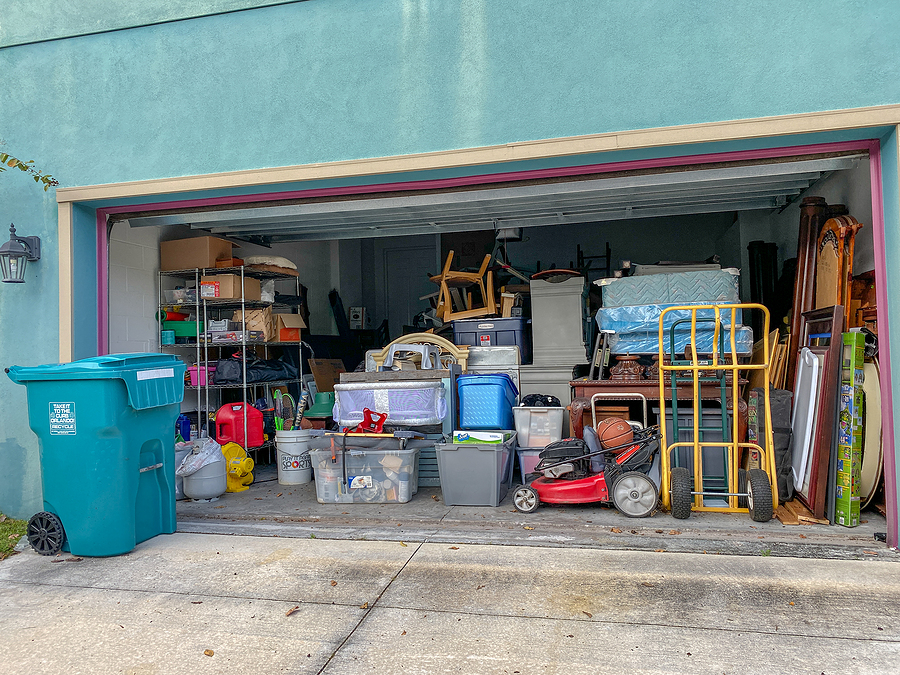
Looking at an old pile of metal in your garage or backyard can feel overwhelming. Rusting car parts, leftover copper wire from a renovation, and broken aluminum lawn chairs often seem like nothing more than unsightly clutter. However, throwing these items away means tossing out actual cash.
Scrap metal recycling is a massive industry that pays everyday people for the materials they no longer need. Many homeowners and contractors sit on hundreds of dollars worth of recyclable materials simply because they do not realize the actual worth of their junk. Knowing how to identify and sort these materials transforms a pile of debris into a highly profitable resource.
This guide will teach you exactly how to evaluate your metals and maximize your payout. You will learn the difference between various metal types, discover how global market trends affect pricing, and find actionable tips for preparing your haul. By the end of this post, you will be ready to clean out your space and pad your wallet.
What is Scrap Metal?
Scrap metal refers to any recyclable metallic material left over from product manufacturing, building construction, or consumer use. Instead of ending up in a landfill, these metals are collected, melted down, and repurposed into brand-new products.
Common Types of Scrap Metal
Scrap yards typically categorize materials into two main groups: ferrous and non-ferrous metals. Ferrous metals contain iron. They are incredibly common and include materials like carbon steel, stainless steel, and cast iron. You will often find these in old appliances, automotive parts, and structural beams.
Non-ferrous metals do not contain iron. These materials resist rust and corrosion, making them highly desirable for outdoor structures, electronics, and plumbing. Common non-ferrous metals include copper, aluminum, brass, and lead. Because they are less abundant and possess unique properties like high conductivity, non-ferrous metals almost always fetch a higher price at the scrap yard.
Why is Scrap Metal Valuable?
The value of scrap metal goes far beyond the cash handed to you at the scale. The recycling process provides massive benefits to both the environment and the global economy.
The Environmental Impact of Recycling Scrap
Mining virgin ore to create new metals takes a devastating toll on the earth. It requires heavy machinery, destroys natural habitats, and consumes massive amounts of energy. Recycling existing metal provides a much greener alternative. For example, using scrap steel instead of virgin ore takes 40% less water and creates 97% less mining waste. Recycling reduces greenhouse gas emissions significantly while preserving our planet’s finite natural resources.
Economic Benefits of the Scrap Metal Industry
The scrap metal industry is a powerful economic engine. It provides raw materials to manufacturers at a fraction of the cost of mining new ores. This cost reduction helps keep everyday consumer goods, automobiles, and construction materials affordable. Furthermore, the recycling sector creates thousands of local jobs, from independent scrappers and truck drivers to scale operators and metallurgical engineers.
Factors Influencing Scrap Metal Prices
If you have ever visited a scrap yard on two different days, you probably noticed that the payout rates change. The monetary value of metal fluctuates based on several complex variables.
Market Demand and Supply
Prices directly reflect the current supply of raw materials and the global demand for finished goods. During building booms, the need for copper wiring and steel beams skyrockets, driving prices up. Conversely, weaker demand can suppress values. For instance, in early 2025, the scrap steel market experienced high volatility, with peak steel busheling prices hitting $460 per gross ton before trending downward as some industrial demands cooled.
Global Economic Indicators
Energy costs, transportation fees, and international trade policies also impact how much money you receive. When fuel prices rise, it costs more to transport heavy materials to foundries, which can lower the payout for independent sellers. Additionally, tariffs or policy-driven shifts in international markets can cause sharp price swings for industrial metals.
Quality and Purity of Scrap Metal
Scrap yards pay a premium for clean, pure metals. If you bring in copper wire that is still wrapped in thick plastic insulation, the yard must spend time and labor stripping it down. Consequently, they will pay you a lower rate. Metal that is heavily rusted, mixed with plastic, or contaminated by hazardous fluids will always command a lower price than pure, sorted material.
How to Maximize the Value of Your Scrap Metal
Taking a little extra time to process your metal at home can significantly increase your final payout. Scrap yards reward sellers who make the recycling process easier.
Sorting and Preparation Tips
Never mix all your metals into a single bin. If you present a mixed bucket of highly valuable copper and cheap steel, the scrap yard will likely pay you the lowest common rate for the entire batch. Separate your metals into distinct containers. Strip the insulation off your copper wiring if you have the proper tools, and remove any non-metallic attachments like plastic handles or rubber gaskets from your aluminum and brass items. Selling in larger bulk quantities can also help you secure better pricing.
Identifying Different Metal Types
You do not need a degree in metallurgy to sort your scrap. The easiest way to separate your haul is by using the magnet test. Take a simple handheld magnet and touch it to your metal items. If the magnet sticks firmly to the surface, the metal is ferrous (containing iron or steel). If the magnet does not stick at all, you have a non-ferrous metal like aluminum, brass, or copper. Since non-ferrous metals are usually more valuable, keeping them isolated from your magnetic steel is the best way to boost your profits.
Finding Reputable Scrap Metal Buyers
Not all scrap yards offer the same rates or customer experience. You want to find a buyer that provides transparent pricing and quick, friendly service. A professional scrap metal yard will clearly display their current rates, use certified scales, and get you unloaded efficiently so you can move on with your day.
Frequently Asked Questions About Scrap Metal Value
How do I know if my metal is valuable?
The simplest way to check value is to perform the magnet test to see if it is non-ferrous. From there, look closely at the color and weight. Copper has a distinct reddish-orange hue, while brass looks yellowish-gold. Heavy, shiny, non-magnetic items are often worth a closer look. You can also call your local yard to ask about current rates for specific items.
Can I get cash for all types of metal?
Most facilities accept a wide variety of ferrous and non-ferrous metals, including steel, iron, aluminum, brass, copper, and lead. However, local laws and yard policies dictate how payouts are handled. Some states require a check for certain amounts to prevent metal theft, while others pay cash on the spot.
What’s the process for selling scrap metal?
When you arrive at a recycling facility, you will pull your vehicle onto a large scale to be weighed. You then drive to a designated area to unload your materials. The staff will weigh your separated non-ferrous metals on smaller, highly accurate scales. Finally, your empty vehicle is weighed again, and you receive payment based on the net weight of the materials you dropped off.
Turn Your Metal into Money
Cleaning up your property does not have to be a thankless chore. By identifying your ferrous and non-ferrous materials, separating them properly, and staying aware of market conditions, you can turn your unused junk into a highly rewarding payday.
Ready to cash in your haul? Sell your scrap metal to Garden City Iron & Metal in Indianapolis for cash on the spot! Get a free scrap metal appraisal today!
Related Post: Maximize Your Metal: The Ultimate U.S. Scrap Prices Guide