The Benefits of Aluminum Recycling: Unlocking Sustainable Solutions

Aluminum recycling stands at the forefront of a significant environmental revolution. With its intrinsic properties that allow for indefinite repurposing, recycled aluminum embodies sustainable material practices. Understanding the importance and process of aluminum recycling empowers us, as consumers and environmental stewards, to make tangible contributions to the planet’s well-being.
Call 1-888-586-5322 for Scrap Aluminum Recycling in Indianapolis Indiana

The Environmental Impact of Aluminum Recycling

The environmental benefits of aluminum recycling are profound. In comparison to the energy-intensive process of mining new aluminum, recycling yields substantial energy savings. Each ton of recycled aluminum prevents the extraction of four tons of bauxite — the raw material used in aluminum production — and the associated environmental impact.

Recycling aluminum also reduces greenhouse gas emissions. The production of primary aluminum is among the largest contributors to industrial CO2 emissions, directly linked to global climate change. By opting for recycled aluminum, we collectively take a step towards curbing these detrimental effects.

Beyond these energy and emission statistics, aluminum recycling promotes a circular economy, a system designed to eradicate waste and regenerate materials. This process not only extends the life cycle of aluminum but also reduces the burden on landfills, where aluminum takes an unconscionably long time to decompose.

Aluminum Things You Can Recycle

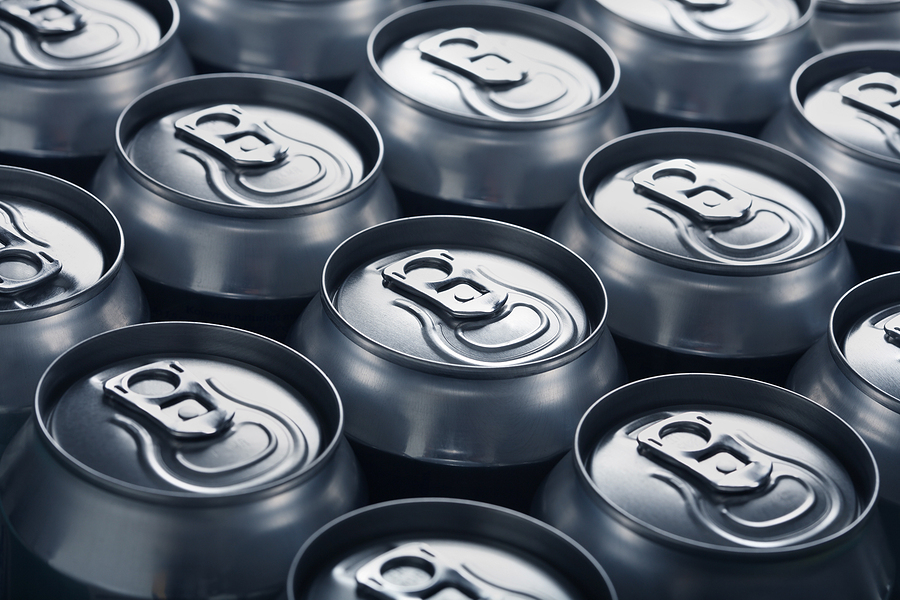
Beverage Cans – Beverage cans are one of the most common items that contain aluminum and can be recycled. In fact, aluminum beverage cans are the most recycled beverage container in the world. Recycling just one aluminum can saves enough energy to power a TV for three hours.

Food Containers – Many food containers, such as soup cans and foil pie plates, are made from aluminum and can be recycled. These items often end up in landfills, but by recycling them, we can save valuable resources and reduce waste.

Household Items – Several household items contain aluminum and can be recycled, including aluminum foil, cooking pans, and even some furniture pieces like patio chairs or tables. By recycling these items, we can prevent them from ending up in landfills and conserve natural resources.

Automotive Parts – Aluminum is also commonly used in automotive parts such as engine blocks, wheels, and radiators. These parts can be recycled at specialized facilities to create new products or materials, reducing the need for raw materials and saving energy in the production process.

Electronics – Many electronic devices also contain small amounts of aluminum in their components. While it may not seem like much on its own, when combined with the large number of electronics being disposed of each year, recycling this aluminum can make a significant impact on reducing waste and preserving resources.

Building Materials – Some building materials also contain aluminum, such as window frames and siding on houses or commercial buildings. These materials can be recycled at specialized facilities to create new products or used for other construction projects instead of being sent to landfills.

Aerosol Cans – Aerosol cans used for household cleaning products or personal care items often have an aluminum body that can be recycled after use. It’s important to check with your local recycling program first as some may require you to remove any remaining product before recycling the can.

Bicycles – Bicycles are another item that often contain aluminum and can be recycled. Many bike shops or recycling centers will accept old or broken bicycles for recycling, preventing them from ending up in landfills and allowing the aluminum to be reused.

How to Recycle Aluminum

Participating in aluminum recycling is accessible and can be integrated into our daily lives. It begins with proper segregation — distinguishing aluminum items from general waste. Common sources of aluminum include beverage cans, food containers, appliances, and household items. Ensuring these items are clean and free of any contaminants — such as food residue or plastic— optimizes the recycling process.

Next, find a local scrap metal recycling center or program that accepts aluminum. Many communities offer curbside pick-up for recyclables, including aluminum, while others may have specialized drop-off locations. Familiarize yourself with the rules of your local recycling program, which may dictate the preparation or segregation of materials to maximize efficiency. Educating oneself on what is and isn’t recyclable in your area is key to effective aluminum recycling.

Benefits of Aluminum Recycling for Consumers

The involvement of consumers in the aluminum recycling process is not just impactful for the environment, but also for local economies. Recyclers are often incentivized with financial compensation, especially for high-value scrap, such as aluminum. Consumers can convert their aluminum waste into a resource, earning back some of their recycling efforts.

From a broader perspective, the economic benefits ripple out to communities. Aluminum recycling can generate jobs, stimulate local industry, and foster a culture of environmental responsibility. This not only drives economic growth but also enhances social well-being through sustainable practices.

Conclusion

Aluminum recycling is a potent tool in the arsenal of environmental conservation. It empowers individuals to make a tangible difference and, when scaled across communities and nations, can lead to a significant reduction in our collective environmental footprint. The future of aluminum recycling is intertwined with our commitment to sustainability. By engaging with recycling programs, advocating for better waste management, and making Eco-friendly choices, we pave the way for a more resilient planet.

We encourage you to take the next step on your recycling journey, and in turn, inspire others to do the same. Let’s continue to unlock the green treasure of aluminum recycling and nurture a more sustainable future for generations to come.

Remember, your efforts do not go unnoticed — each aluminum can, container, or piece of scrap aluminum you recycle is a step towards a cleaner, greener Earth. Contact Garden City Iron & Metal at 1-888-586-5322 to recycle aluminum in Indianapolis, Indiana. We accept all scrap metal and metal commodities, including appliances, junk cars, construction equipment, and auto parts.

Related Posts:

The Various Grades of Aluminum Metal
5 Appliances That Contain the Most Scrap Aluminum
The Environmental Benefits of Recycling Aluminum Cans

Maximize Your Metal: The Ultimate U.S. Scrap Prices Guide

Metal scrapping isn’t just an art; it’s a science. For those who forge profit out of scrap, understanding the fluctuating tides of metal prices is akin to navigating the ocean’s ebbs and flows. The market dictates what’s hot (and what’s not), playing a pivotal role in deciding the value of the resources waiting to be reclaimed from your scrap heap.

Welcome to the definitive guide on the state of scrap metal prices in the U.S. Scrappers, here’s your compass for the current market, detailed price movements, and practical insights to ensure your scrap metal ventures are as lucrative as they deserve to be.

Call 1-888-586-5322 to Get a Free Offer From Our Metal Buyers in Indianapolis

Navigating the U.S. Scrap Metal Seas

Before we weigh anchor and venture deep into the ocean of metal prices, it’s essential to understand the industry’s current state. The scrap metal industry in the United States is a robust, multifaceted sector deeply intertwined with manufacturing, construction, and global economic trends.

Scrap metal recycling plays a critical role in sustainability and resource conservation. The United States generates a vast amount of scrap metal annually, a number that’s perpetually on the rise as we champion environmental responsibility and circular economy initiatives.

Yet, the story of scrap in the U.S. is more than just a narrative of volume. It’s one of value. Local and global events, technological advancements, and demand from emerging industries such as electric vehicles, renewable energy, and infrastructure development, all paint a tapestry of fluctuating prices that scroll like ticker feeds on a stock exchange floor.

The Melodious Symphony of Scrap Metal Prices

Steel: The Backbone of Industries

Steel, an integral component of the economy, is often a bellwether for industrial demand and construction activity. The price of steel scrap is directly influenced by global demand and the status of major steel-producing nations. Through thick and thin, steel remains one of the most widely recycled materials worldwide, making it a focal point for scrappers.

In recent months, U.S. steel prices have seen a surge. This upward march can be credited to the resurgent demand from the construction and automotive industries, allied with trade policies that have given domestic production a shot in the arm. Staying on top of steel price movements ensures that scrappers can capitalize on the current high prices.

Copper: The King of Electric Current

Copper metal is an excellent conductor of both electricity and market trends. With the burgeoning shift towards electrification, particularly in the automotive and renewable energy sectors, the value of this red metal is at an all-time high.

The demand for copper scrap is soaring, fueled by the electric vehicle boom and the 5G infrastructure roll-out. The effects of international trade dynamics, especially concerning China, also play a significant role in copper scrap pricing. Scrappers who have a treasure trove of copper are currently in a golden age for selling—the market strongly favors the reds and not the blues.

Aluminum: Lightweight Champion

Aluminum’s durable, lightweight nature lends itself to a myriad of applications from aviation to beverage cans. The recycling of aluminum requires significantly less energy than primary production, making it a staple for sustainable manufacturing. In the U.S., aluminum scrap prices have seen a steady rise, a trend likely to continue as aluminum cements its role in the green economy.

The soaring demand for consumer electronics, coupled with the need for lighter components in the automotive industry, creates a bullish market for aluminum. The recent surge in infrastructure investments also bodes well for aluminum scrap prices, as it’s a material deeply entrenched in modern construction practices.

Deciphering the Price-Setting Riddle

Understanding the metals’ movements is only half the battle; the other half is figuring out how scrap metal is priced at recycling facilities. Scrap metal prices are multi-dimensional, factoring in not just the current market value but also the metal’s state or condition, the quantity being sold, and the purity or alloy content.

Recycling facilities typically offer prices based on the London Metal Exchange (LME) rates for the respective metals, adjusting them for regional and local market conditions. High-quality and pure scrap metals command a higher price due to their easier reusability and lower refining costs.

Individual scrap yards may offer competitive pricing models tailored to attract regular sellers, first-time materials, or massive quantities. It’s important to build relationships with multiple scrapyards and utilize online tools that track scrap metal prices, allowing you to get the best deal for your metals.

Treading the Path to Metal Riches

The quest to capitalize on U.S. scrap metal prices isn’t just about knowing the values and factors—it’s about making smart choices when preparing to sell.

Know Your Metal: Before you head to the yard, identify and segregate the metals in your possession. This step alone can save time and potentially increase the value of your haul.

Preparation is Key: Cleaning and sorting your scrap metals will not only fetch better prices but also helps with sustainability efforts. Recyclers prefer clean materials as they are easier to process and have fewer environmental impacts.

Scrap Metal Dealer Relations: Building strong relationships with scrap metal dealers in Indianapolis can open doors to better prices, faster transactions, and crucial market insights that can give you a competitive edge.

Timing Your Sale: The best time to sell scrap metal is when prices are high. Understand the patterns of price movements, and if possible, hold onto your scrap until the market is favorable.

It’s Scrap O’Clock—Know When to Act

The scrap metal market is as dynamic as the metals it trades. The art of the deal is often knowing when to make your move. Keep an eye out for industry reports, economic forecasting, and geopolitical events that could shift the sands beneath scrap metal prices.

For those in the U.S. looking to sell scrap metal, precision timing can turn an ordinary sale into a lucrative one. Consider setting up alerts for metal price changes, and don’t be afraid to hold back your goods for a better payday down the line.

Conclusion

The scrap metal industry in the United States is a whirlwind of opportunity, a place where the diligent can scoop up their share of the metal pie that the economy serves. With a keen eye on the market, dedication to ongoing education about the materials you handle, and a foot firmly planted in best practices, anyone can turn their scrap metal efforts into a profitable, sustainable enterprise.

In this post, we’ve not just provided a snapshot of the current state of the U.S. scrap metal prices, but we’ve crafted a guide for you to seize the day and make the most of the valuable metals you come across. It’s time to unlock the door to potential profits and step into a more informed, empowered role in the scrap metal ecosystem.

Now, go out there and convert your knowledge into action. Find that local scrap metal recycling facility, turn that pile of scrap into gold, and not just for your pocket, but for the planet, too. Happy scrapping!

Are you looking to find the most reliable scrap metal buyers in Indy that provide superb payouts and an effortless recycling process? Just contact Garden City Iron & Metal at 1-888-586-5322 for the highest standards of professionalism, and the highest payouts for metal recycling in Indianapolis, Indiana.

Related Posts:

Most Valuable Metals in Junk Cars
Popular Grades of Aluminum Metal and Their Current Market Values
Interesting Facts About the Value of Platinum