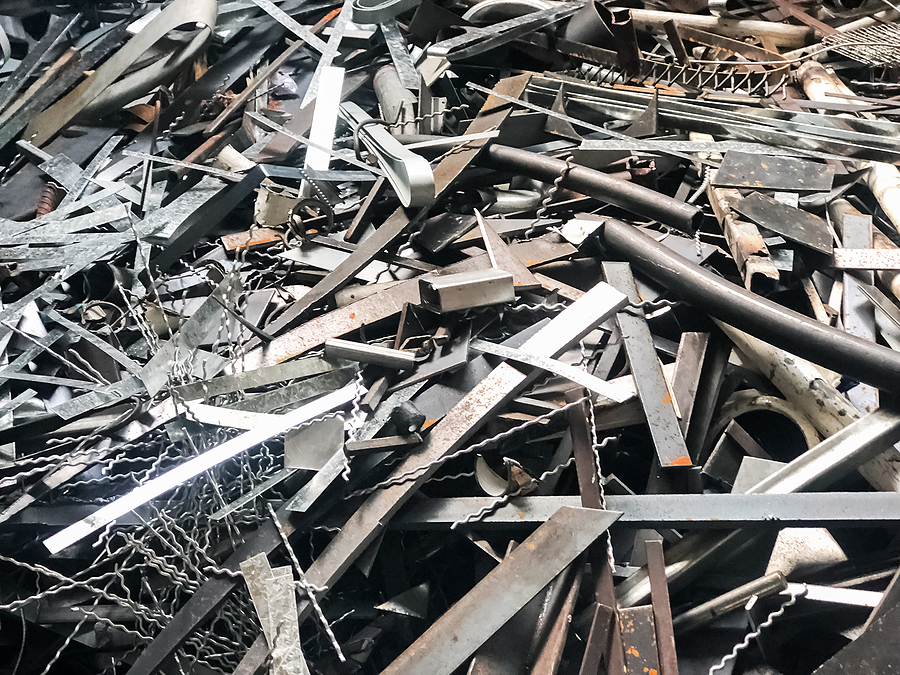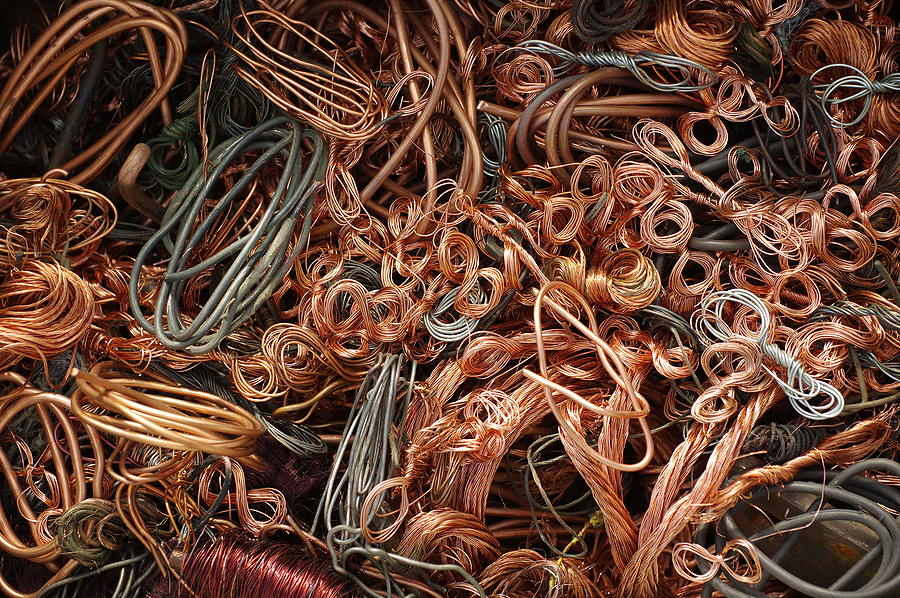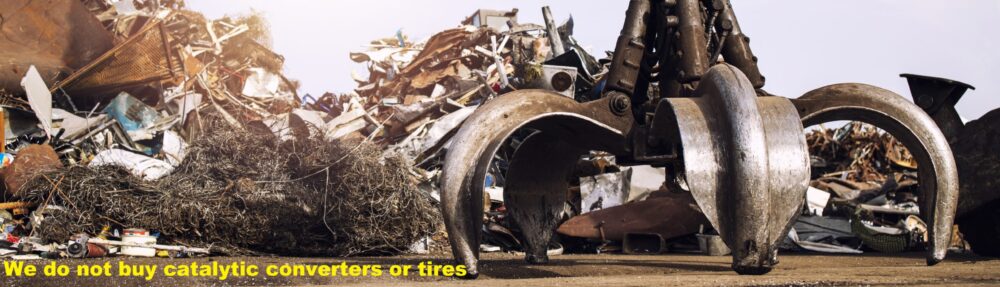
A pile of scrap metal taking up space in your garage or work site is an all-too-common frustration. Leaving unused metal to rust away is a missed opportunity to help the environment and earn extra cash. Understanding how to properly recycle these materials is crucial for maintaining a clean community and a healthy local ecosystem.
Recycling scrap metal significantly reduces the need to mine for virgin ore. This process conserves natural resources and requires a fraction of the energy needed to produce new metal. Beyond the substantial environmental benefits, recycling puts money directly into your pocket. Many people are surprised by the value hidden in old appliances, leftover construction materials, and discarded copper wiring.
Finding a trustworthy facility makes this process simple and rewarding. For residents and businesses alike, knowing where to drop off scrap metal in Columbus, Indiana, ensures that your materials are handled responsibly and that you receive fair compensation for your efforts.
Call 1-888-586-5322 to Reach Our Scrap Metal Drop Off Center in Columbus Indiana
Why Garden City Iron & Metal is the Top Choice
Garden City Iron & Metal stands out by offering high payouts, professional service, and environmentally friendly practices for every customer. Choosing the right recycling facility dictates how smoothly your drop-off goes and how much money you walk away with. Garden City Iron & Metal has built a reputation for treating every client with respect and transparency. Whether you are a homeowner clearing out a basement or a contractor managing daily site debris, you receive the same dedicated attention.
Commitment to Sustainable Recycling
Properly processing scrap metal requires a deep commitment to environmental safety. Garden City Iron & Metal utilizes advanced processing techniques to ensure that materials are broken down and repurposed with minimal ecological impact. By keeping hazardous components out of local landfills, the facility actively protects the soil and water quality of the Columbus area. You can drop off your materials knowing they will be handled with the utmost care for the planet.
Competitive Pricing for All Metal Types
Your time and effort are valuable. Garden City Iron & Metal closely monitors market fluctuations to guarantee that you receive the most competitive pricing available. Their transparent weighing processes mean you see exactly what your haul is worth. There are no hidden fees or confusing calculations, just straightforward compensation for your recycled goods.
Types of Scrap Metal Accepted in Columbus
We accept a wide variety of both ferrous and non-ferrous metals, including aluminum, copper, and steel. Understanding what materials you can recycle helps you gather your haul more efficiently. Scrap metal generally falls into two distinct categories: ferrous and non-ferrous.
Ferrous metals contain iron, making them magnetic. Common examples include steel and cast iron, which are frequently found in old appliances, automotive parts, and structural beams.
Non-ferrous metals do not contain iron and are generally more valuable. These include copper, aluminum, brass, and stainless steel. You will often find these materials in plumbing pipes, electrical wiring, window frames, and household fixtures.
Garden City Iron & Metal is equipped to accept and process both categories safely. If you are unsure about a specific item, simply bring it in. The knowledgeable staff will help you identify the metal and determine its value. Contact us today for a free offer!
How to Prepare Your Scrap Metal for Drop-Off
You can maximize your payout if you sort your metals by type and carefully remove any non-metal attachments before arriving. A little preparation goes a long way toward securing the best possible price for your materials.
When facilities receive mixed loads, they often pay out at the lowest grade of metal present in the pile. To avoid this, separate your ferrous metals from your non-ferrous metals. A simple magnet is the perfect tool for this job. If the magnet sticks, the metal is ferrous.
Take the time to strip away any non-metal attachments. Remove plastic casings, rubber grips, and wooden handles from your scrap. Clean copper wire always fetches a higher price than insulated wire. While cleaning and sorting require a bit of initial effort, the increased financial return makes it a highly worthwhile practice.
Common FAQs About Scrap Metal Recycling
How do I know what current scrap prices are?
Scrap metal prices fluctuate based on global market demand. Garden City Iron & Metal updates its pricing regularly to reflect these market changes. You can always call ahead to inquire about the current rates for specific metals before making the trip.
What items are not accepted for recycling?
While we accept most metals, safety regulations prohibit us from taking certain hazardous materials. Items containing refrigerants (like intact refrigerators or air conditioners), radioactive materials, and sealed pressurized tanks usually require specialized disposal methods.
Do I need an appointment to drop off my scrap?
No appointment is necessary. You are welcome to visit during regular business hours. The drop-off process is designed to be quick and efficient, getting you back to your day as soon as possible.
Get Started Today
Taking the initiative to recycle scrap metal protects the environment while boosting your personal finances. Every piece of aluminum, copper, or steel you keep out of a landfill contributes to a cleaner, more sustainable community. By partnering with a dedicated facility, you ensure that the recycling process is safe, efficient, and profitable.
Cleaning out a garage or renovating an old building leaves you with a lot of leftover materials. A pile of discarded wire or old plumbing fixtures isn’t just unsightly clutter; it’s an opportunity to reclaim significant value. Recycling scrap metal helps reduce the environmental strain of mining new ores, and it puts money directly into your pocket.
Navigating the fluctuating prices of the metal market can feel overwhelming. Values shift daily based on global supply chains, international trade policies, and manufacturing demand. Understanding how these elements affect your payout is crucial for making the most of your recycling efforts.
By taking the time to identify and sort your materials, you can secure a much higher return. Here is a closer look at the most profitable scrap metals you can sell right now.
Call 1-888-586-5322 to Get a Free Quote From a Scrap Metal Buyer in Columbus Indiana
Highest Value Scrap Metal in the USA
When it comes to maximizing your profits from scrap metal recycling, knowing which materials are in high demand can make all the difference. Below, we explore the top scrap metals that currently yield the best returns in the United States.
Copper: The Gold Standard of Scrap Metal
Copper is currently the highest-paying common scrap metal in the U.S., with clean “bare bright” copper wire frequently fetching between $4.50 and $6.00 per pound depending on the current market and your location.
Because it is highly conductive and essential for everything from home electrical wiring to renewable energy technologies and data centers, copper remains in massive demand. Scrap yards categorize copper into specific grades that dictate your payout. Bare bright copper—which is clean, uncoated, and unalloyed wire—commands the absolute highest price.
Other valuable forms include #1 copper tubing, which is clean and free of solder, and #2 copper, which may have minor oxidation, paint, or solder attached. You can often find valuable copper scrap during home demolitions, HVAC replacements, and electrical upgrades. Stripping the plastic insulation off copper wire takes a bit of effort, but doing so elevates your material to a higher-paying grade.
Brass: High Value in Plumbing and Decor
Brass yields exceptional returns, typically paying between $2.50 and $3.00 per pound for clean, yellow brass. Brass is an alloy composed primarily of copper and zinc. Because it contains such a high percentage of copper, it naturally inherits much of copper’s impressive market value. It is incredibly durable and resistant to corrosion, making it a staple in household plumbing and industrial machinery.
You will often encounter brass in the form of old water valves, pipe fittings, door hinges, light fixtures, and decorative hardware. Red brass, which contains a higher concentration of copper than yellow brass, is even more valuable. To ensure you receive the top rate, make sure your brass items are completely free of steel screws, plastic handles, or rubber gaskets before heading to the scale.
Aluminum: Lightweight Metal with Heavy Returns
While everyday aluminum cans pay around $0.40 to $0.50 per pound, heavier forms like clean aluminum rims or extrusions can earn you upwards of $0.70 to $0.85 per pound. Aluminum is abundant, meaning its base price is lower than copper or brass. However, its lightweight nature and widespread use in the automotive and construction industries make it incredibly easy to accumulate in large, profitable volumes.
Not all aluminum is priced equally. Clean, unpainted aluminum extrusions—often found in window frames and structural supports—pay significantly more than mixed sheet aluminum. Alloy wheels from old vehicles are another excellent source of revenue. To get the best price for your rims, you must remove the rubber tires, lead wheel weights, and any plastic center caps.
Stainless Steel: Industrial Value
Non-magnetic austenitic stainless steel, such as 304 and 316 grades, commands a premium price of roughly $0.30 to $0.60 per pound due to its high nickel and chromium content. Stainless steel comes in many different grades, and its value depends entirely on its chemical composition.
The 300-series stainless steels contain significant amounts of nickel, which makes them highly resistant to corrosion and very valuable to local scrap metal buyers. You will frequently find these premium grades in commercial kitchen equipment, brewery tanks, and industrial piping.
Conversely, the 400-series stainless steels contain less nickel and more iron. While they are still entirely recyclable, they fetch a lower price at the scale. Because the valuable 300-series lacks a magnetic crystal structure, testing your scrap with a simple household magnet is the easiest way to gauge its potential value.
Lead and Batteries: Weight That Pays
Lead-acid batteries and soft lead scraps offer a reliable payout of about $0.15 to $0.40 per pound, and their extreme density means the weight adds up quickly for a larger cash return. Lead is a heavy, malleable metal used extensively in automotive batteries, roofing materials, and wheel weights. While the price per pound might seem modest compared to copper, a single standard car battery weighs around 40 pounds, meaning a quick collection can yield a fast payout.
Recycling lead-acid batteries is also an essential environmental practice. Lead is highly toxic if left to degrade in a landfill, but it is infinitely recyclable. By bringing your old batteries to a scrap yard, you safely divert hazardous materials from the local ecosystem while earning a fair monetary reward.
Frequently Asked Questions
What factors affect local scrap metal prices?
Scrap metal prices act much like the stock market. They are driven by global supply and demand, commodity market trading, and international trade tariffs. When the construction or technology sectors experience growth, demand for raw materials increases, pushing prices higher. On a local level, your specific scrap yard’s pricing will also reflect their regional processing expenses, labor wages, and transportation costs.
Should I clean my scrap metal before selling it?
Absolutely. Taking the time to process your metal is the most effective way to increase your payout. Scrap yards base their prices on how easily they can send the metal off for melting and recycling. If your copper pipe has a steel bracket attached, or your aluminum siding is covered in plastic wrap, the yard must spend time and labor removing those contaminants. Sorting your metals by type and removing all non-metal attachments ensures you qualify for the higher “clean” price bracket.
How can I easily identify different scrap metals?
The most reliable tool for identifying scrap metal is a simple magnet. Metals are generally categorized into two groups: ferrous and non-ferrous. Ferrous metals, like iron and regular steel, contain high amounts of iron and will stick to a magnet. Non-ferrous metals, which include high-value items like copper, brass, aluminum, and 300-series stainless steel, will not react to a magnet at all. If the magnet does not stick, you are likely holding a more valuable piece of scrap.
Maximize Your Scrap Metal Profits
Transforming a pile of discarded material into a profitable return requires just a little bit of knowledge and preparation. By understanding which metals hold the most value and taking the time to separate them, you protect yourself from missing out on hidden profits. Monitor current market trends, use a magnet to sort your ferrous and non-ferrous items, and always strip away plastic or steel contaminants before you sell.
Ready to turn your unused materials into revenue? Contact our Columbus, IN scrap metal buyers for instant cash on the spot for your metal recyclables.
TL;DR: National Retro Day on February 27 is the perfect occasion to dig out those dusty gadgets and dispose of them the right way—protecting both the environment and your personal data.
Key Takeaways:
Old electronics contain toxic materials like lead, mercury, and cadmium that can leach into soil and water if landfilled
The UN’s Global E-waste Monitor 2024 reports 62 million tonnes of e-waste was generated worldwide in 2022—and only 22.3% was properly recycled
Data on old hard drives is still recoverable unless properly destroyed
Indianapolis residents can drop off electronics through ToxDrop events (Marion County only) or at RecycleForce year-round
Indiana law has prohibited households from throwing electronics in the trash since 2011
Sell your old or broken e-waste to Garden City Iron & Metal in Columbus, IN
Table of Contents:
What is National Retro Day?
Why should you recycle obsolete electronics?
How does e-waste recycling protect your data?
Where to find e-waste recycling in Indianapolis?
FAQ
Quick Recap
Recycle E-Waste in Columbus, IN
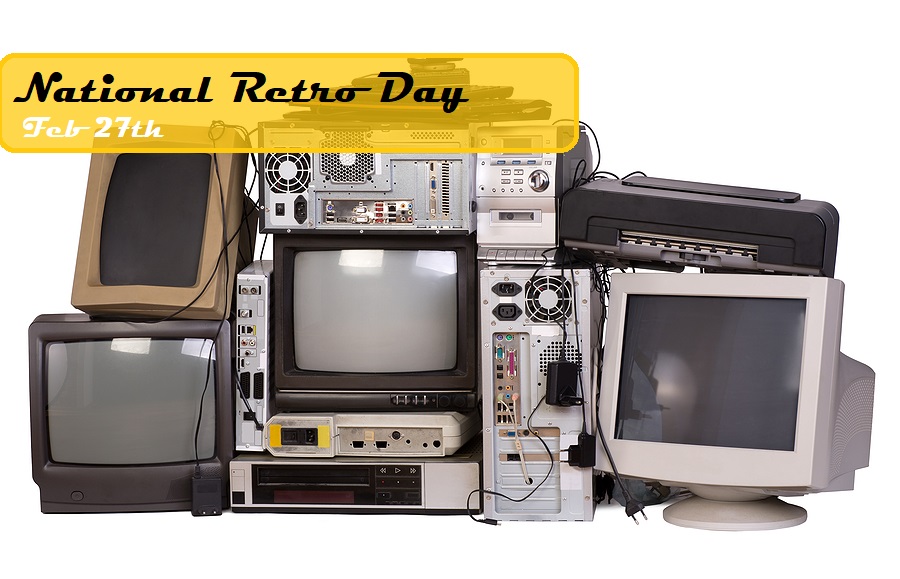
Every February 27, National Retro Day invites us to look back fondly at the gadgets, gear, and gizmos of decades past. That chunky desktop computer from the early 2000s. The VHS player still sitting in a closet. The digital camera that predates smartphones by a generation.
Nostalgia is a powerful thing. But here’s the part that doesn’t get enough attention: those beloved devices don’t just disappear when you’re done with them. Tossed in a landfill, they can release a cocktail of toxic substances into the environment for years to come.
National Retro Day isn’t just a reason to reminisce—it’s a timely reminder to handle your old tech responsibly. Here’s what you need to know.
Celebrate National Retro Day with E-Waste Recycling in Indiana
What is National Retro Day?
National Retro Day is an annual observance celebrated on February 27. Founded by Hermelinda A. Aguilar and Robert and Tina Duran, the day was officially proclaimed in 2018 by the National Day Calendar® to be observed every year on February 27.
The spirit of the day is simple: step back from the hyper-connected present and appreciate the slower, more tangible world of the past. Think face-to-face conversations, dinner around the table, and gadgets you could actually repair yourself.
For many people, that nostalgia is physically stored in a garage shelf, spare room, or junk drawer—in the form of outdated electronics that haven’t been touched in years. And that’s exactly where responsible recycling comes in.
Why Should You Recycle Obsolete Electronics?
Electronics don’t belong in a landfill. According to the U.S. EPA, improper disposal of used electronics can expose people and ecosystems to high levels of contaminants including lead, mercury, cadmium, and arsenic—substances that can cause irreversible health effects such as cancers, neurological damage, and developmental harm.
The scale of the problem is staggering. The UN’s Global E-waste Monitor 2024 (published by UNITAR and the ITU) reports that a record 62 million tonnes of e-waste was generated in 2022—up 82% from 2010 and on track to reach 82 million tonnes by 2030. Yet only 22.3% of that e-waste was properly collected and recycled. The rest was largely landfilled or sent to informal recycling operations where toxic materials leach into soil and water.
Proper recycling keeps these materials out of the environment. It also recovers valuable resources—the same 2024 report estimates that $91 billion worth of metals, including copper, gold, and iron, was embedded in 2022’s e-waste alone.
For Indianapolis residents, there’s an added legal dimension: Indiana’s Electronic Waste law, enacted in 2011, prohibits households, small businesses, and schools from disposing of electronic waste in the trash. Recycling isn’t just the right thing to do—it’s the law.
How Does E-Waste Recycling Protect Your Data?
Old devices don’t just hold memories—they hold data. Hard drives, smartphones, and laptops can retain sensitive personal information long after you’ve stopped using them. Simply deleting files or doing a factory reset often isn’t enough to make that data unrecoverable.
This is why certified data destruction matters. NIST Special Publication 800-88 (Guidelines for Media Sanitization) provides the federal standard for rendering data on storage media unrecoverable. The framework defines three levels of sanitization: Clear (overwriting data), Purge (using techniques that make recovery infeasible with state-of-the-art methods), and Destroy (physical destruction of the media). For most consumer devices, physical destruction of the hard drive is the most reliable option.
When choosing a recycler, look for certifications that include data security standards. RecycleForce, Indianapolis’s local electronics recycler, manually de-manufactures PCs and physically destroys hard drives to ensure data cannot be recovered. Their RIOS certification reflects a commitment to both environmental and data security standards.
For businesses handling large volumes of devices, working with an R2v3 or e-Stewards certified recycler provides an additional layer of assurance—both certifications require robust data sanitization practices as part of their standard.
Where to Find E-Waste Recycling in Indianapolis?
Marion County residents have three main options for responsible electronics disposal:
ToxDrop (City of Indianapolis)
The City of Indianapolis runs ToxDrop, a free household hazardous waste and electronics drop-off program exclusively for Marion County residents. Drop-off events are held every Saturday at two locations:
First Saturday of each month, 9 a.m.–2 p.m. — Traders Point Collection Facility, 7550 N. Lafayette Rd.
Second Saturday of each month, 9 a.m.–2 p.m. — Perry Township Government Center, 4925 S. Shelby St.
Accepted electronics include computers and laptops, monitors, printers, gaming systems, DVD/VHS players, televisions (27 inches or less), hard drives, USB drives, and much more. You can drop off up to five computer systems per visit. Note that ToxDrop does not accept commercial waste.
RecycleForce
RecycleForce accepts consumer electronics year-round at their facility at 816 N. Sherman Drive, during the following hours:
Monday–Friday: 8:30 a.m.–4:00 p.m.
Saturday: 9:00 a.m.–1:00 p.m.
Drop-off is free for most items. TVs, monitors, and refrigerant-bearing equipment carry a fee, due to the cost of safely processing the hazardous materials they contain (such as leaded glass, cadmium, and mercury in CRT televisions). Since 2006, RecycleForce has recycled more than 90 million pounds of electronic waste—and their work also supports one of the country’s largest prisoner re-entry programs.
Garden City Iron & Metal
Located in Columbus, IN, Garden City Iron & Metal provides services such as shredding, shearing, baling, and torch cutting to ensure proper recycling of all metals. Our facility is equipped with state-of-the-art technology to efficiently process various types of metals including aluminum, copper, brass, stainless steel, and even precious metals like gold and silver.
We also offer pick-up services for large quantities of scrap metal from businesses and industrial sites. Our team strictly follows all regulations set forth by the Environmental Protection Agency (EPA) to safeguard our environment while providing top-notch recycling services.
Ready to recycle old electronics?Contact us today to plan your drop-off.
Frequently Asked Q’s
Can I recycle batteries through ToxDrop or RecycleForce?
ToxDrop accepts AA, AAA, and lead acid batteries. However, lithium-ion batteries (found in laptops, smartphones, and tablets) require special handling due to fire risk. RecycleForce accepts batteries as part of electronics, but check with them directly about loose lithium battery drop-off. Many retail locations like Best Buy and Staples also accept batteries for recycling.
What vintage electronics are accepted for recycling?
VHS players, DVD players, older gaming systems, CRT monitors, digital cameras, MP3 players, and fax machines are all on the accepted list. If you’re unsure whether a specific item qualifies, check the full lists on the indy.gov ToxDrop page or RecycleForce’s materials list before heading over.
Do I need to wipe my devices before dropping them off?
It’s a good idea to perform a factory reset on devices before recycling, but this alone isn’t sufficient for complete data security. Certified recyclers handle data destruction as part of their process, physically destroying hard drives so data cannot be recovered.
Is e-waste recycling free in Indianapolis?
ToxDrop drop-off is free for Marion County residents. RecycleForce offers free drop-off for most electronics, with fees for TVs, monitors, and certain appliances that require specialized processing. Garden City Iron & Metal actually pays YOU for e-waste and scrap metal.
Quick Recap:
National Retro Day is celebrated on February 27 and was officially proclaimed in 2018
Old electronics contain toxic heavy metals including lead, mercury, cadmium, and arsenic
The world generated 62 million tonnes of e-waste in 2022; only 22.3% was properly recycled (Global E-waste Monitor 2024)
Indiana law prohibits throwing electronics in the trash (since 2011)
Always use a certified recycler that physically destroys hard drives to protect your data
Indianapolis residents can use ToxDrop (first and second Saturday of each month) or RecycleForce (year-round, 816 N. Sherman Drive), or Garden City Iron & Metal in Columbus
Drop-off is free for most items at all locations
Time to Clear the Clutter—Responsibly
National Retro Day is a celebration. But nostalgia doesn’t require holding onto broken or obsolete tech indefinitely. The devices gathering dust in your home may contain materials that can genuinely harm people and ecosystems if disposed of carelessly—and they likely carry personal data you’d rather keep private.
This February 27, take a few minutes to gather your outdated electronics and drop them off at a certified recycler. Indianapolis has the infrastructure to handle it safely, affordably, and locally.
Want to get paid cash for your old or broken electronics? Call Garden City Iron & Metal to get a free offer for your e-waste scrap. We pay competitive rates for in-demand items like computers, laptops, servers, monitors, printers, and television sets.
Scrap metal doesn’t belong in your standard trash bin, but getting rid of it doesn’t have to be a headache. Whether you have old appliances, leftover construction materials, or just a pile of rusty junk, responsible disposal is key to protecting the environment and even earning some extra cash.
Identify your metal: knowing the difference between ferrous (magnetic) and non-ferrous metals determines value.
Choose your method: you can drop off at scrapyards, hire junk removal, or use municipal heavy trash pickup for certain items.
Prepare your load: remove non-metal parts and drain fluids from appliances.
Know the laws: Indiana has specific regulations for selling valuable metals and catalytic converters.
Table of Contents:
Understanding Responsible Metal Disposal
Identifying Different Types of Scrap Metal
Top Methods for Metal Removal
Preparing Scrap for Recycling
Benefits of Professional Recycling
FAQ: Scrap Metal Disposal in Indiana
Quick Recap
Recycle Metal in Indianapolis
Call 1-888-586-5322 to Get Rid of Unwanted Metal for Cash Payment in Indianapolis
Understanding Responsible Metal Disposal
Why should you care about how you toss that old toaster? Simply throwing metal into a landfill is a wasted opportunity. Metal is a sustainable material that can be recycled indefinitely without losing its properties. When you recycle scrap, you are directly contributing to energy conservation; creating new metal from recycled materials requires significantly less energy than mining and processing virgin ore.
Furthermore, improper disposal can be harmful. Many appliances contain hazardous fluids or components that can leak into the soil and groundwater if crushed in a standard landfill. Responsible disposal ensures these materials are handled safely.
Identifying Different Types of Scrap Metal
How do you know if your metal is worth money? The easiest way to sort your scrap is with a simple magnet. This test separates metals into two main categories: ferrous and non-ferrous.
Ferrous Metals (Magnetic): If the magnet sticks, it’s likely steel or iron. These are common in appliances (white goods), old cars, and structural beams. They are generally less valuable per pound but are often sold in bulk.
Non-Ferrous Metals (Non-Magnetic): If the magnet doesn’t stick, you might have copper, aluminum, brass, or stainless steel. These metals are typically more valuable. Look for copper in plumbing pipes and wire, aluminum in siding and cans, and brass in fixtures.
Top Methods for Metal Removal
What is the best way to get this junk off your property? Depending on the volume and type of metal you have, choose the method that saves you the most time or makes you the most money.
1. Sell to a Scrap Yard
If you have a truck and the ability to lift heavy items, driving your metal to a local scrap yard is the most direct way to get paid. Facilities like Garden City Iron & Metal in Indianapolis will weigh your load and pay you based on current market rates.
2. Municipal Heavy Trash Pickup
For residents of Indianapolis/Marion County, the Department of Public Works offers heavy trash pickup once a month. You can place up to two bulky items (like a stove or metal shelving unit) on the curb. However, be aware that this service is for residential trash and won’t pay you for the materials.
3. Professional Junk Removal Services
If you can’t lift the items or don’t have a vehicle, a junk removal service is your best bet. They will come to your home, haul away the items, and ensure they are taken to the proper recycling facility. This is often the safest option for large, unwieldy items like old refrigerators or fencing.
Preparing Scrap for Recycling
Do you need to clean the metal before recycling it? Yes, a little preparation goes a long way. Scrapyards prefer “clean” metal, meaning it is free from other materials.
Remove Non-Metal Parts: Strip away plastic, wood, or glass attached to the metal. For example, if you are recycling aluminum window frames, remove the glass panes first.
Drain Fluids: For appliances like lawnmowers or chainsaws, you must drain all oil and gas.
Appliances with Refrigerants: Items like refrigerators, freezers, and air conditioners contain refrigerants (freon) that are hazardous. In Indiana, these must be handled carefully. You cannot just vent the gas; it must be reclaimed by a certified professional.
Benefits of Professional Recycling
Why choose a professional service over a landfill? Professional metal recyclers have the specialized equipment to process huge quantities of metal safely. They ensure that hazardous components are removed correctly, preventing environmental contamination.
Additionally, professional services support the local economy. The recycling industry creates jobs in collection, processing, and manufacturing. By choosing a reputable Indianapolis recycler like Garden City Iron & Metal, you are supporting local businesses and keeping your community clean.
FAQ: Scrap Metal Disposal in Indiana
Do I need an ID to sell scrap metal in Indiana?
Yes. Under Indiana law, valuable metal dealers are required to verify your identity. You must provide a valid government-issued photographic identification (like a driver’s license). The dealer will make a copy of this ID and record the transaction details.
Can I sell a catalytic converter in Indiana?
It is very difficult for the average person to sell a loose catalytic converter. As of July 1, 2022, Indiana law requires sellers to provide a law enforcement affidavit proving ownership. Dealers are strictly regulated on these purchases to prevent theft.
Where can I drop off hazardous household items?
For hazardous items like batteries or chemicals that might be mixed with your metal waste, Marion County residents can use ToxDrop sites on specific Saturdays. Check the Indy.gov website for dates and locations.
Can I put electronics in my trash cart?
No. Indiana’s Electronic Waste law prohibits households from disposing of e-waste (tvs, computers, monitors) in the trash. These must be taken to a designated drop-off site like RecycleForce or a ToxDrop location.
Quick Recap:
Don’t Trash It: Metal should be recycled, not sent to landfills.
Magnet Test: Use a magnet to separate ferrous (magnetic) from non-ferrous (valuable) metals.
ID Required: Bring your photo ID if you plan to sell scrap to a dealer.
Check the Rules: Catalytic converters require specific police affidavits to sell.
Stay Safe: Let professionals handle hazardous refrigerants in old appliances.
Conclusion
Recycling metals responsibly is not just about complying with regulations; it’s about contributing to a more sustainable future. By taking the time to sort materials properly, follow guidelines, and utilize certified recycling facilities, you help reduce environmental impact and conserve valuable resources.
Small, mindful actions can lead to significant change, making a positive difference for the planet and future generations. Remember, the next time you encounter scrap metal, choose to recycle – the Earth will thank you.
If you have a large pile of scrap or heavy appliances you need to disappear, don’t risk injury trying to move it yourself.Contact our team today for professional scrap metal recycling services in Indianapolis.
TL;DR: Steel is the most recycled material on the planet, vital for a sustainable circular economy. Recycling steel conserves massive amounts of energy, raw materials, and landfill space. The process significantly lowers greenhouse gas emissions compared to producing new steel.
Key Takeaways:
Infinite Lifecycle: Steel can be recycled over and over again without ever losing its strength or quality.
Energy Efficiency: Every tonne of steel scrap used avoids 1.5 tonnes of CO2 emissions.
Resource Conservation: Recycling one tonne of steel saves 1.4 tonnes of iron ore and 740 kg of coal.
Economic Driver: The industry supports local jobs and turns waste into valuable infrastructure.
Table of Contents:
Why is Steel Recycling Important?
What are the Benefits of Recycling Steel?
How is Steel Recycled?
What are Common Sources of Recycled Steel?
What is the Environmental Impact of Steel Recycling?
Frequently Asked Questions (FAQs)
Quick Recap & Conclusion
Steel Recycling Services in Indianapolis, Indiana
Steel is the backbone of modern life. From the cars we drive to the buildings we work in and the appliances we use daily, this durable alloy is everywhere. But its journey doesn’t end when a car is scrapped or a building is demolished. Unlike many other materials that degrade during the recycling process, steel has the unique ability to be recycled infinitely.
This “permanent material” is central to the global push for a circular economy—a system designed to eliminate waste and keep resources in use for as long as possible. Understanding the journey of steel from scrap back to structural integrity isn’t just for industry experts; it helps us all appreciate how responsible waste management protects our planet.
Why is Steel Recycling Important?
We often think of recycling in terms of plastic bottles or paper, but steel recycling happens on a massive, industrial scale that dwarfs other materials. In fact, steel is the most recycled material in the world. According to the World Steel Association, around 680 million tonnes of steel were recycled in 2021 alone.
This process is critical because it reduces our reliance on mining virgin raw materials. Every time we recycle steel, we keep valuable iron ore in the ground and reduce the need for energy-intensive extraction processes. It transforms what would otherwise be considered “waste” into a valuable commodity that builds our future infrastructure.
Call 1-888-586-5322 to Recycle Steel in Indianapolis Indiana
What are the Benefits of Recycling Steel?
The advantages of recycling steel extend far beyond just cleaning up scrap yards. The positive ripple effects touch everything from energy grids to local ecosystems.
Reduced Energy Consumption
Producing steel from virgin ore is an energy-intensive process requiring extreme heat to smelt iron. Remelting steel scrap requires significantly less energy. Modern steel production uses about 40% less energy today than it did in 1960, largely due to the shift toward scrap-based recycling methods like Electric Arc Furnaces (EAF) (World Steel Association, n.d.).
Conservation of Natural Resources
When we choose to recycle metal, we are directly saving the Earth’s natural resources. For every single tonne of steel scrap used in production, the industry avoids consuming:
1.4 tonnes of iron ore
740 kg of coal
120 kg of limestone
Decreased Landfill Waste
Steel is large, heavy, and bulky. If left unrecycled, abandoned cars, appliances, and demolition debris would rapidly consume precious landfill space. Recycling diverts millions of tonnes of this material away from dumpsites, ensuring that land is used effectively rather than becoming a graveyard for old metal.
Lower Greenhouse Gas Emissions
Perhaps the most critical benefit is the reduction in carbon footprint. The production of new steel releases carbon dioxide (CO2). However, by using steel scrap, the industry avoids the emission of 1.5 tonnes of CO2 for every tonne of scrap utilized. This equates to avoiding over one billion tonnes of CO2 emissions globally each year.
How is Steel Recycled?
The journey from a rusty beam to a shiny new car part involves several precise steps. This cycle ensures that the new product is just as strong and safe as the original.
1. Collection and Sorting
It starts with gathering scrap metal from scrapyards, curbside bins, and demolition sites. Because steel is magnetic, huge electromagnets are often used to easily separate steel from other waste streams or non-target materials, like plastic or non-ferrous metals.
2. Processing and Melting
Once sorted, the steel is compacted and shredded into smaller pieces. These shreds are loaded into a furnace—typically an Electric Arc Furnace—where they are melted down at temperatures reaching 3,000 degrees Fahrenheit.
3. Purifying and Solidifying
Impurities, known as slag, float to the top of the molten metal and are removed. The purified liquid steel is then cast into semi-finished shapes like slabs, blooms, or billets.
4. Quality Testing and Fabrication
The steel is cooled and rolled into its final shape. Before it leaves the mill, it undergoes rigorous testing to ensure it meets specific strength and quality standards. It is then ready to be manufactured into new products.
What are Common Sources of Recycled Steel?
Steel scrap comes from three main sources: home scrap (from within the steel mill), prompt scrap (from manufacturing processes), and obsolete scrap (post-consumer use). Here are the most common items contributing to the supply:
Automobiles:Junk cars are a primary source of recycled steel. The U.S. Geological Survey notes that the recycling rate for automobiles has historically averaged near 100%.
Construction Materials: When bridges or buildings are demolished, the steel beams and rebar are recovered.
Household Appliances: Washing machines, refrigerators, and ovens (often called “white goods”) are rich in steel.
Industrial Equipment: Heavy machinery, manufacturing tools, and farm equipment eventually find their way back into the furnace.
Call 1-888-586-5322 For Profitable Steel Recycling in Indianapolis
What is the Environmental Impact of Steel Recycling?
The environmental impact of recycling steel is profoundly positive. By bypassing the mining stage, we avoid the soil erosion, habitat disruption, and water pollution often associated with extracting iron ore and coal.
Furthermore, the preservation of ecosystems is a direct result of lower carbon emissions. With climate change being a pressing global concern, the steel industry’s ability to lower its carbon footprint through recycling helps mitigate the warming of our planet. It supports a cleaner, healthier environment for future generations.
More Frequently Asked Questions
Can steel be recycled multiple times?
Yes, absolutely. Steel is unique because it can be recycled indefinitely without any loss of quality. A steel beam recycled today has the same strength and durability as one produced 50 years ago, and it can be recycled again 50 years from now.
What types of steel can be recycled?
Almost all steel can be recycled. This includes stainless steel, carbon steel, and galvanized steel. Whether it’s a food can, a car door, or a construction beam, it can be melted down and reused.
How does recycling steel benefit the economy?
The recycling industry drives economic growth by creating jobs in collection, processing, and manufacturing. It also lowers the cost of production for manufacturers by providing a cheaper raw material compared to virgin ore, which can translate to lower costs for consumers.
What role do consumers play in steel recycling?
Consumers play a vital role by properly disposing of metal waste. Ensuring that food cans are placed in recycling bins and that old appliances or vehicles are taken to licensed scrapyards ensures the material enters the recycling loop rather than ending up in a landfill.
Quick Recap:
Steel recycling helps to conserve our natural resources and reduce the carbon footprint.
The process of recycling steel requires less energy and emits fewer emissions compared to producing steel from virgin ore.
Consumers can play a crucial role in steel recycling by properly disposing of metal waste, such as food cans and old appliances, through recycling bins or licensed scrapyards. This ensures that the material is reused instead of ending up in landfills.
By participating in steel recycling, consumers are contributing to a more sustainable future for generations to come.
Conclusion
By now, you should have a better understanding of the importance of metal recycling and how it can positively impact the environment. With the constant increase in demand for metals, it is crucial that we make an effort to recycle and reuse as much as possible. Not only does this help conserve natural resources, but it also reduces greenhouse gas emissions and saves energy.
Through responsible disposal of metal waste and active participation in recycling programs, we can all make a significant difference in creating a more sustainable world. Let’s continue to educate ourselves and others on the benefits of metal recycling and encourage others to do their part. Together, we can build a cleaner, greener future for ourselves and our planet.
Are you looking to responsibly dispose of scrap metal or industrial steel waste? Whether you are cleaning out a property, managing a demolition site, or looking for industrial recycling solutions, ensuring your steel is handled correctly is the first step toward a more sustainable future. Contact Us Today to learn more about our comprehensive steel recycling services in Indianapolis, Indiana.
If you’ve ever looked at a pile of old cables or wiring and seen nothing but junk, you might be sitting on a small fortune. Copper is one of the most sought-after metals in the recycling industry, often referred to as “red gold” because of its consistently high value compared to other scrap metals.
For electricians, contractors, or even homeowners renovating in Indianapolis, understanding the value of your materials is crucial. It ensures you aren’t just clearing space—you’re getting paid what you deserve. However, pricing can be volatile, shifting with global stock markets and local demand. Navigating these changes requires a bit of knowledge, but the payoff is worth the effort.
Call 1-888-586-5322 For Copper Wire Recycling in Indianapolis Indiana
What Drives Copper Wire Prices in Indianapolis?
The price you receive at the scale isn’t an arbitrary number picked by the scrap yard owner. It’s the result of a complex web of global and local factors.
The Global Benchmark (COMEX)
In North America, copper prices are largely dictated by the COMEX (Commodity Exchange) division of the CME Group. This market sets the spot price for copper per pound. If traders on Wall Street are bullish on copper because of new housing starts or electric vehicle production, the price goes up. If the global economy slows down, the price often dips. Local yards in Indianapolis monitor these trends closely and adjust their buy prices accordingly.
The Grade of Your Copper
Not all copper is created equal. The purity and condition of your wire determine its grade, which is the single biggest factor in how much cash you walk away with.
Bare Bright Copper: This is the gold standard. It refers to 99% pure, uncoated, unalloyed wire (usually 16 gauge or thicker) that has been stripped of all insulation. It must be free of paint, solder, and tarnish.
#1 Copper: This is clean copper—think bus bars or tubing free of fittings—that might have slight oxidation but no paint or solder.
#2 Copper: This grade allows for some contamination. It includes wire with shellac or lacquer coatings, or copper pipe with solder or paint. It is valuable, but because it requires more processing to refine, it commands a lower price.
Insulation and Recovery Rates
When you bring in insulated wire, the yard is paying you for the copper inside, not the plastic coating. The price depends on the “recovery rate”—the percentage of copper versus insulation.
#1 Insulated Wire: Typically has a recovery rate of 70% or higher.
#2 Insulated Wire: Often has a recovery rate around 50%, usually due to thicker insulation or multiple layers.
Current Market Trends to Watch
The long-term outlook for copper is strong, largely due to the global push for electrification. Electric vehicles (EVs) use significantly more copper than traditional combustion engines—roughly 60 to 70 kg per vehicle compared to 20 to 25 kg. Additionally, renewable energy infrastructure like wind turbines and solar panels relies heavily on copper for efficient energy transmission.
Experts at Benchmark Mineral Intelligence note that while the supply chain is mature, it is currently strained. New copper mines take roughly 15 years to come online, meaning recycled copper is becoming increasingly vital to meet demand. For you, this means your scrap pile is a critical link in the global supply chain, and demand is likely to remain robust despite daily fluctuations.
Maximizing Your Return: Preparation is Key
You don’t need to be a professional scrapper to get a professional payout. A few simple steps in your garage or workshop can significantly increase the value of your load.
Sort Before You Sell
This is the golden rule of scrapping. If you mix high-grade Bare Bright copper with lower-grade #2 insulated wire, the yard may downgrade your entire bin to the lowest common denominator. Separate your materials into distinct buckets:
Stripped, shiny wire
Clean tubing
Insulated wire
To Strip or Not To Strip?
Stripping insulation off your wire upgrades it from “insulated” to “No. 1” or “Bare Bright,” which pays significantly more per pound. However, stripping requires time and effort. If you have thick industrial cable, stripping is almost always worth it. For thin, spaghetti-like extension cords, the time investment might outweigh the extra profit.
▶ Important Note: Never burn the insulation off copper wire. It is illegal, releases toxic fumes into the environment, and harms the quality of the copper, instantly downgrading it to a lower price tier.
Scrap metal theft has led to stricter regulations across the country, and Indiana is no exception. These laws are designed to protect businesses and homeowners, but they do change how you sell your metal.
When you arrive at a scrap yard in Indianapolis, be prepared for the following requirements mandated by Indiana Code:
Identification: You must present a valid government-issued photo ID (like a driver’s license). The yard is required to keep a copy on file.
Recordkeeping: Dealers must record your photo and a photo of the material you are selling. These records are retained for two years.
Restricted Items: There are strict rules on selling specific items like catalytic converters and HVAC components (evaporator coils or condensers). You generally need documentation proving ownership, such as a bill of sale or a contractor’s license, to sell these items.
Tag and Hold: In certain cases involving suspicious materials or police notification, yards may place a 5-day hold on materials.
Understanding these rules beforehand ensures a smooth transaction and keeps you on the right side of the law.
Staying Updated on Pricing
Since copper is a commodity traded on the stock market, prices change daily. To ensure you aren’t selling during a dip:
Check the COMEX Spot Price: This gives you a baseline for the market’s performance.
Call Ahead: Local yards may have different inventory needs. A quick phone call can confirm their current rate for the specific grade of wire you have.
Conclusion
Selling scrap copper wire is a fantastic way to clean up your workspace, help the environment, and put extra cash in your pocket. Recycling copper uses approximately 85% less energy than mining new ore, meaning your efforts directly contribute to a more sustainable future.
By sorting your materials, understanding the different grades, and staying informed about market trends, you can turn your scrap into a significant asset.
Ready to turn your scrap into cash? If you are in the Indianapolis area and looking for a transparent, fair, and professional recycling partner, we are here to help. Call Garden City Iron & Metal today for a free offer and experience the best service in Indianapolis.
Walk onto any construction site or manufacturing floor, and you’ll see the backbone of American infrastructure: steel beams supporting skyscrapers, copper wiring powering homes, and aluminum components making our vehicles lighter and more efficient. But behind these tangible materials lies a volatile, invisible force—the fluctuating market of metal prices.
For business owners, contractors, and even savvy recyclers, understanding U.S. metal pricing trends isn’t just about curiosity; it’s about the bottom line. Whether you are bidding on a new project or looking to offload industrial scrap, the rise and fall of these commodities can significantly impact your profitability.
Navigating this market requires more than just checking a daily ticker. It demands an understanding of the complex web of global supply chains, economic policies, and geopolitical shifts that drive prices up or down. This guide peels back the layers of the metal market, offering an insider’s look at what is currently happening with steel, aluminum, and copper, and what the future might hold for these essential resources.
Call 1-888-586-5322 to Get a Free Quote From Our Scrap Metal Buyers in Indianapolis
The 401 on the Price of Scrap Metal
The Big Three: An Overview of Key Metals
To understand pricing, we first need to appreciate the role “The Big Three”—steel, aluminum, and copper—play in our economy. These metals are the bellwethers of industrial health, and their price movements often signal broader economic shifts.
Steel remains the king of construction and manufacturing. From automotive bodies to major infrastructure projects, its durability and cost-effectiveness make it indispensable. However, because it is so heavily relied upon, its price is incredibly sensitive to changes in industrial output and government tariffs.
Aluminum, prized for its high strength-to-weight ratio, is critical for the aerospace, packaging, and automotive industries. As the world pushes for greener technologies and electric vehicles (EVs), the demand for lightweight aluminum continues to evolve, making its pricing dynamic particularly interesting to watch.
Copper is often called “Dr. Copper” by economists because its price is a reliable diagnostic tool for the global economy. As the primary conductor for electricity, copper is at the heart of the green energy transition. If the world is building wind turbines and solar panels, the demand for copper surges.
The Invisible Hands: Factors Influencing Prices
Metal prices don’t fluctuate in a vacuum. They are pushed and pulled by a specific set of drivers that can turn a stable market into a volatile one overnight.
Global Demand and Economic Health
The basic law of supply and demand is the primary driver. When major economies—particularly the U.S. and China—are growing, construction booms, and manufacturing accelerates, driving up the need for raw materials. Conversely, fears of recession or slowdowns in the housing market can cause prices to plummet as buyers pull back.
Supply Chain Disruptions
The memory of pandemic-era shortages still lingers, but supply chain issues remain a constant threat. A strike at a major mine in South America, shipping delays in the Red Sea, or energy shortages affecting smelters in Europe can all restrict supply, causing immediate price spikes.
Energy Costs
Refining metal is an energy-intensive process. Aluminum smelting, in particular, requires massive amounts of electricity. When energy prices rise—whether due to natural gas shortages or policy changes—the cost of producing new metal goes up, which eventually trickles down to the buyer.
Geopolitics and Tariffs
Government policy plays a massive role in the U.S. market. Tariffs, such as Section 301 or Section 232, are used to protect domestic industries but can artificially inflate prices. Trade wars and sanctions can cut off access to foreign materials, forcing U.S. buyers to compete for a smaller pool of domestic resources.
The years 2024 and 2025 have presented a mixed bag for metal commodities, defined by record highs for some and oversupply issues for others. Based on data from the U.S. Geological Survey (USGS) and global market reports, here is where the major metals stand.
Copper: The Volatile High-Flyer
Copper has seen significant volatility recently. In early 2024, COMEX copper prices surged to a record high of over $5.17 per pound. This spike was driven by aggressive betting on the green energy transition and fears of supply shortages. However, the market saw a correction later in the year as high interest rates and slower manufacturing growth cooled immediate demand. Despite the fluctuation, the long-term floor for copper remains high due to its critical role in electrification.
Steel: Adjusting to New Norms
The U.S. steel market has been navigating a period of recalibration. In 2024, the value of U.S. raw steel sales decreased by roughly 10%, with the Producer Price Index for steel mill products dropping significantly from the previous year. This softening was largely attributed to a slowdown in key end-use sectors like automotive and construction, driven by inflation and monetary tightening. However, scrap steel prices have seen their own fluctuations, with heavy melting steel scrap averaging lower in 2024 than in 2023, reflecting the broader easing of industrial pressure.
Aluminum: The Tariff Effect
Aluminum has been front and center in recent trade policy discussions. In late 2024, the U.S. Trade Representative finalized substantial tariff increases on aluminum products from China, raising rates from roughly 7.5% to 25%. While domestic aluminum production value dipped slightly in 2024 due to operational shutdowns at major smelters, these protective tariffs are designed to bolster U.S. producers. For buyers, this often translates to higher premiums on physical metal availability within the United States.
Predictions and Future Outlook
Looking ahead, the U.S. metal market is poised for a complex interplay between stabilizing economies and strategic resource management.
The Green Energy Support System
The transition to renewable energy is not slowing down, and this will continue to put a floor under prices for copper and aluminum. As the U.S. grid expands and EV infrastructure grows, the demand for these conductive and lightweight metals will likely outstrip the slow growth of mining supply, potentially leading to bullish price runs in the latter half of 2025 and beyond.
Policy-Driven Pricing
We can expect trade policies to continue influencing domestic prices. With the government maintaining or increasing tariffs on Chinese imports—including steel, aluminum, and tungsten—U.S. pricing may decouple further from global averages. This “America First” approach aims to secure supply chains but will likely keep domestic material costs higher than international benchmarks.
The Scrap Market Revival
As primary metal production faces environmental scrutiny and energy constraints, the importance of secondary production (recycling) will grow. We are already seeing this with copper and aluminum, where secondary processing capacity is expanding. For businesses with scrap metal, this indicates a healthy, long-term demand for high-quality recycled materials.
The Bottom Line for Your Business
Understanding these trends offers a competitive advantage. If you are a buyer, knowing that copper supply is constrained might encourage you to lock in prices early. If you are a seller of scrap, staying aware of steel demand fluctuations can help you time your sales for maximum profit.
The metal market is rarely static. It reacts to the world around it, often serving as a mirror for the global economy. By keeping an eye on these indicators—energy costs, tariffs, and industrial demand—you can make informed decisions that protect your budget and capitalize on market movements.
Ready to Turn Your Scrap into Capital?
Navigating the nuances of metal pricing can be complicated, but getting value for your materials shouldn’t be. If you have industrial scrap or old machinery taking up space, now is the time to assess its worth.
Contact Us Today for a free scrap metal appraisal in Indianapolis. Let our team of experts help you maximize your return with transparent, competitive pricing based on the latest market trends.
The holiday season often brings a flurry of activity, from planning gatherings to finding that perfect gift for everyone on your list. While store-bought items have their place, there is something profoundly special about receiving a handmade gift. Metal art, with its durability and industrial elegance, offers a unique way to show you care.
Creating metal art might seem intimidating at first, conjuring images of heavy machinery and intense heat. However, many projects are accessible even to beginners and require minimal tools. Working with metal allows you to transform raw, rigid materials into something expressive and beautiful. The satisfaction of bending, cutting, and shaping a piece of metal into a functional or decorative object is unmatched.
This guide explores accessible metal art projects that make thoughtful, lasting gifts. Whether you are an experienced crafter or stepping into the workshop for the first time, these ideas are designed to be achievable and rewarding. By the end, you will be equipped to create personalized treasures that your friends and family will cherish for years to come.
Call 1-888-586-5322 for Metal Scrap Recycling in Indianapolis Indiana
Metal Art Creation for the Holiday Season
Essential Tools and Safety First
Before diving into specific projects, it is crucial to establish a safe and functional workspace. Metalworking involves sharp edges and potential hazards, so proper preparation is non-negotiable.
Safety Gear:
Safety Glasses: Metal shards and dust can be unpredictable. Protect your eyes at all times.
Gloves: Heavy-duty leather or cut-resistant gloves are essential for handling raw materials and protecting your hands from sharp edges.
Hearing Protection: Cutting and hammering metal can be loud. Earplugs or earmuffs will protect your hearing during extended sessions.
Appropriate Clothing: Wear long sleeves and pants made of natural fibers (like cotton) to protect your skin. Avoid loose clothing that could get caught in tools.
Basic Tools:
Metal Shears or Tin Snips: These are necessary for cutting thinner sheets of metal.
Files and Sandpaper: Essential for smoothing rough edges and refining shapes.
Hammer and Mallet: A ball-peen hammer is versatile for shaping, while a rubber or wooden mallet allows you to strike metal without leaving marks.
Pliers: Needle-nose and locking pliers help you grip, bend, and manipulate small pieces.
Drill and Metal Bits: Required for making holes, which are often needed for assembly or hanging.
Project 1: Simple Metal Picture Frames
A photograph captures a memory, but a handmade frame gives it a home. Metal picture frames offer a modern, industrial aesthetic that complements a wide range of interior styles. This project is excellent for beginners because it focuses on measuring, cutting, and simple bending.
Materials:
Sheet metal (aluminum, copper, or galvanized steel)
Metal ruler
Scoring tool or awl
Instructions:
Measure and Mark: Determine the size of the photo you wish to frame. Add two inches to each side for the border and bending allowance. Use your ruler and scoring tool to mark these dimensions clearly on the sheet metal.
Cut the Shape: Carefully use your tin snips to cut out the large rectangle. Be mindful of the sharp edges immediately after cutting.
Create the Opening: Mark the inner window for the photo. Drill a starter hole in the center of this window area, then use your snips to cut out the opening.
Texture and Shape: Before bending, you can add texture to the metal surface using a hammer or by scratching patterns with wire wool.
Bend the Edges: Using a sturdy table edge or a block of wood as a guide, fold the outer edges back to create a finished look and structural rigidity. If you want a standing frame, bend a separate strip of metal into a kickstand and attach it to the back with strong adhesive or rivets.
Small, functional, and deeply personal, a metal keychain is a fantastic stocking stuffer. This project allows for significant creativity through stamping letters, numbers, or symbols.
Materials:
Small metal blanks (brass, copper, or aluminum tags)
Metal letter stamp set
Key rings
Polishing cloth
Instructions:
Prepare the Blank: Secure your metal tag to a steel bench block or a heavy, flat surface using tape. This prevents the metal from moving when you strike it.
Plan Your Design: Use a piece of tape across the tag to serve as a guideline for your text. This helps keep your letters straight.
Stamp: Place the stamp vertically on the metal. Strike the top of the stamp firmly and squarely with a hammer. One solid hit is usually better than multiple taps, which can cause “ghost” images.
Highlight the Text: To make the stamped impression pop, fill the indented letters with a permanent marker or specialized enamel darkening ink. Wipe away the excess ink from the surface, leaving the dark color only in the grooves.
Finish: Drill a small hole at the top if one isn’t present, polish the tag to a shine, and attach the key ring.
Project 3: Decorative Metal Candle Holders
Candle light adds warmth to any room, and a metal holder amplifies that glow with reflective surfaces. This project involves bending and shaping wire or thin metal strips to create sculptural forms.
Materials:
Heavy-gauge wire or metal strips
Round object (like a pipe or bottle) for shaping
Wire cutters
Instructions:
Form the Base: Create a stable base by spiraling thick wire into a flat coil or bending a metal strip into a wide circle. Stability is key here, as you do not want the candle to tip over.
Create the Cup: Wrap the wire or strip around a mandrel (like a broom handle or pipe) that matches the diameter of the candle you intend to use. This forms the cup that will hold the candle.
Connect Base and Cup: If using wire, you can create a continuous design where the wire flows from the base up to the cup. If using strips, you may need to use rivets or a strong metal epoxy to join the two parts.
Artistic Flourish: Use pliers to twist the connecting sections into decorative spirals or geometric shapes. The metal creates beautiful shadows when the candle is lit.
Finishing Touches for Your Metal Gifts
The difference between a raw project and a polished gift lies in the finishing.
Smoothing: Never skip the filing stage. Run your finger (carefully) along edges to ensure there are no burrs that could snag clothing or scratch skin. Start with a coarser file and move to fine sandpaper for a satin finish.
Polishing: A polishing compound and a soft cloth can transform dull metal into a mirror-like surface. For a more rustic look, you might choose to leave the natural patina or even encourage oxidation.
Sealing: Metal can tarnish or rust over time. Applying a clear coat of lacquer or wax seals the metal, preserving your finish and protecting the recipient’s furniture.
Give New Life to Old Metal
One of the most rewarding aspects of metal art is the potential for upcycling. Before you buy new sheets or wire, look around for scrap. Old baking sheets, wire hangers, or leftover piping from home repairs can often be cleaned and repurposed into stunning art. This not only saves money but also adds an environmentally friendly narrative to your gift.
When you have finished your projects, you will likely have offcuts and scraps. Rather than throwing these in the trash, ensure they are disposed of responsibly. Metal is highly recyclable, and keeping it out of landfills is a crucial step in environmental stewardship.
Crafting Memories with Metal
Creating metal art for holiday gifts is a gesture that speaks volumes. It shows a willingness to invest time, effort, and creativity into something unique. These projects—picture frames, keychains, and candle holders—are just the beginning. As you become more comfortable with the tools and materials, your ability to manipulate metal will grow, opening the door to even more complex and rewarding creations.
Whether you are crafting a sleek, modern frame or a rustic, hammered keychain, the recipient will appreciate the durability and craftsmanship of a handmade metal gift.
Ready to recycle your scrap? If your creative session has left you with leftover metal scraps, don’t let them go to waste. Responsible disposal is part of the crafting lifecycle. For those in the Indianapolis area, Garden City Iron & Metal makes it easy to do the right thing. Contact Us Today to turn your scrap metal into a sustainable choice.
Recycling paper and plastic has become a familiar habit for many, but what about that old metal lawn chair or the pile of pipes left over from a plumbing project? These items hold significant value, not just in terms of potential cash, but for the health of our planet. Recycling scrap metal is a powerful way to conserve natural resources, save energy, and reduce greenhouse gas emissions.
When we recycle metal, we give it a new life, transforming what was once waste into valuable raw material. The environmental benefits are substantial. For instance, recycling scrap metal can save up to 74% of the energy needed to produce new steel (Steel Recycling Institute). This process not only cuts down on energy consumption but also lessens the environmental impact associated with mining and processing virgin ore.
The journey of scrap metal from a recycling center back into our daily lives is a fascinating one, filled with innovation and creativity. Let’s explore some of the real-world applications for recycled scrap metal that highlight its incredible potential.
Call 1-888-586-5322 to Talk to Local Metal Recyclers in Columbus Indiana
How Metal Recycling Applies to the Real World
Building the Future with Recycled Steel
The construction industry is one of the largest consumers of steel, and the use of recycled metal in this sector is a cornerstone of sustainable building practices. Recycled steel is just as strong and durable as steel made from raw materials, making it an ideal choice for everything from residential homes to towering skyscrapers.
A powerful example of recycled steel’s longevity and strength can be seen in one of the world’s most iconic structures: the Empire State Building. A significant portion of its structural steel was sourced from recycled materials, a testament to the enduring quality of recycled metal in large-scale construction. Today, the U.S. recycles approximately 69 million tons of steel annually, and much of it finds its way back into the skeletons of our buildings and bridges.
Using recycled steel reduces the demand for new iron ore, minimizes the carbon footprint of construction projects, and supports a circular economy where materials are continually reused rather than discarded.
Driving Innovation in the Automotive Industry
The push for more fuel-efficient vehicles has led automakers to explore lighter, yet equally strong, materials. Recycled aluminum has emerged as a key player in this automotive revolution. Recycling aluminum is remarkably efficient, requiring 95% less energy than producing it from bauxite ore (U.S. Environmental Protection Agency, 2023). This massive energy saving translates directly into a lower environmental impact and reduced production costs.
Ford Motor Company provides a prime example of this application. The company utilizes high-strength, military-grade recycled aluminum alloys in the body of its F-150 truck. By doing so, Ford was able to reduce the vehicle’s weight by hundreds of pounds, leading to significant improvements in fuel economy without compromising safety or performance.
This shift not only conserves resources but also demonstrates how recycled materials can drive innovation and create more sustainable products for consumers. As more manufacturers adopt this approach, the demand for recycled aluminum continues to grow, highlighting its scrap metal value.
Powering Modern Life with Electronic Waste
Our old smartphones, laptops, and other electronic devices are treasure troves of valuable materials. This “e-waste” contains gold, silver, copper, and palladium, among other precious metals. Instead of letting these devices languish in landfills where they can leach harmful chemicals into the soil, responsible recycling recovers these metals for reuse.
The process of extracting valuable metals from electronics is intricate, but the payoff is immense. For example, a single metric ton of old cell phones can contain more gold than a metric ton of gold ore. The recycled copper recovered from e-waste and other sources is also crucial, providing about 62% of the U.S.’s copper needs (Copper Development Association Inc., n.d.).
This recycled copper is then used to manufacture new electronic components, wiring, and countless other products, reducing the need for destructive mining practices. Finding a reputable metal recycling center that handles e-waste ensures these valuable resources are put back into circulation.
The use of recycled scrap metal isn’t limited to industrial applications. Artists and sculptors around the world are transforming discarded metal into breathtaking works of art, proving that one person’s trash is truly another’s treasure. This creative reuse of materials challenges our perceptions of waste and beauty.
Artist John Lopez, for instance, creates life-sized sculptures of animals from discarded farm equipment and scrap metal. His intricate works, ranging from a Texas Longhorn to a bison, are crafted from old plowshares, chains, and shovels, giving these forgotten objects a new and beautiful purpose.
These sculptures not only show incredible creativity but also tell a story about the history of the materials themselves. This artistic application demonstrates the endless possibilities for recycled metal and inspires us to see the potential in items we might otherwise throw away.
How to Get Started with Recycling Scrap Metal
Recycling scrap metal is a meaningful way to contribute to environmental sustainability and spark creativity. To begin, start by identifying unused metal items around your home or workspace. Common examples include old tools, appliances, wires, and furniture. Separate these items into ferrous metals (such as iron and steel) and non-ferrous metals (like copper, aluminum, and brass) using a magnet—ferrous metals will stick to the magnet, while non-ferrous will not.
Check local recycling centers or scrap yards to find out what materials they accept and any specific preparation guidelines they may have. Additionally, clean the metal if necessary to remove excess debris, as some recyclers prefer pre-processed materials.
For those interested in pursuing metal recycling as a craft or art initiative, consider collecting unusual or visually interesting pieces. Think creatively about how these materials could be repurposed into something new, whether functional or decorative. Getting started is easier than you might think, and each small step contributes to reducing waste while unlocking the potential of discarded objects.
Final Thoughts
From the beams in our buildings to the phones in our pockets, recycled scrap metal is an integral part of our modern world. It helps build stronger cities, create more efficient vehicles, power our electronics, and inspire stunning works of art. The journey from scrap heap to a new product is a powerful example of sustainability in action.
You can be a part of this positive cycle. By bringing your unused metal items to a local metal recycling center like Garden City Iron & Metal, you contribute to a more sustainable future. To learn more about what you can recycle, check out our Recycling Services page or get an idea of the scrap metal value for your items. Your small effort can make a big difference in conserving resources and protecting our environment for generations to come.
Finding yourself with a totaled car is stressful enough. When that vehicle is uninsured, the situation becomes even more complicated. Without insurance to cover the loss, you’re left navigating the aftermath on your own—dealing with damage assessment, legal obligations, and the challenge of disposing of a wrecked car while potentially facing financial strain.
If you’re in this position, you’re likely wondering what your options are and how to move forward without making things worse. This guide will walk you through the essential steps for handling a totaled, uninsured vehicle, from understanding what “totaled” actually means to finding reputable junk car buyers who can help you turn your problem into cash.
Call 1-888-586-5322 For Totaled Car Disposal in Indianapolis Indiana
Understanding What “Totaled” Really Means
A vehicle is considered “totaled” or a “total loss vehicle” when the cost of repairs exceeds a certain percentage of the car’s actual cash value—typically between 70% and 80%, depending on your state’s regulations. Insurance companies use this threshold to determine whether it’s more cost-effective to repair the vehicle or declare it a total loss.
When you have insurance, the company typically handles the totaled car by paying out the vehicle’s pre-accident value (minus your deductible) and taking possession of the wreck. However, without insurance coverage, you retain ownership of the totaled vehicle and all the responsibilities that come with it.
The damage that totals a vehicle can range from collision damage to flood damage, fire damage, or even theft recovery where the vehicle is found stripped of valuable parts. Regardless of the cause, you’ll need to decide how to dispose of the vehicle legally and—ideally—recoup some value from it.
Get an Official Damage Assessment
Even without insurance, obtaining an official assessment of your vehicle’s condition is a smart first step. This documentation serves multiple purposes: it establishes the extent of the damage, provides a baseline for determining junk car value, and can protect you from legal complications down the road.
You can get an assessment from a certified mechanic, an auto body shop, or even from junk car buyers who offer free evaluations. Many auto salvage yards in Indianapolis will inspect your totaled truck or wrecked car at no charge and provide an estimate of its scrap value.
Keep all documentation related to the damage, including photos, repair estimates, and any police reports if the damage resulted from an accident. This paperwork will be essential when you’re ready to sell or dispose of the vehicle.
Know Your Legal Obligations
Owning a totaled, uninsured vehicle comes with specific legal responsibilities that vary by state. In Indiana, you’re required to maintain liability insurance on any registered vehicle. If your car is totaled and you can no longer drive it, you should notify the Bureau of Motor Vehicles and cancel your registration to avoid continued insurance requirements and registration fees.
Before disposing of your totaled car, you’ll need to ensure you have the proper documentation, primarily the vehicle’s title. The title proves ownership and is required by legitimate auto scrapyards and junk car removal services. If you’ve lost the car title, you’ll need to apply for a duplicate through the Indiana BMV before proceeding with the sale.
It’s also worth noting that if your vehicle was involved in an accident, you may still be liable for damages or injuries to others, even if your own vehicle is totaled. Consulting with a legal professional can help you understand your potential liability and protect your interests.
Exploring Your Disposal Options
When it comes to getting rid of a totaled, uninsured vehicle, you have several options, each with different advantages depending on your situation.
Selling to Junk Car Buyers
Junk car buyers and auto salvage yards are often the simplest solution for disposing of a totaled vehicle. These businesses purchase wrecked cars for their scrap metal value and usable parts. The process is typically straightforward: you provide information about your vehicle, receive a quote, and if you accept, they arrange for junk car removal—often at no cost to you.
In Indianapolis, reputable buyers like Garden City Iron & Metal have established track records and can handle the entire car disposal process professionally. They’ll pay cash for your totaled car based on factors like weight, current scrap metal prices, and any salvageable parts.
Selling Parts Yourself
If your totaled car has valuable components that survived the damage, you might consider selling parts individually. Items like engines, transmissions, wheels, electronics, and body panels can sometimes fetch more money when sold separately than the vehicle would bring as scrap.
However, this approach requires more time, effort, and knowledge. You’ll need space to store the vehicle while you dismantle it, tools to remove parts, and a way to market and ship components. You’ll also be responsible for properly disposing of the remaining shell and dealing with hazardous fluids like oil, coolant, and brake fluid.
Donating Your Vehicle
Some charitable organizations accept donations of totaled vehicles. While you won’t receive cash, you may be eligible for a tax deduction based on the vehicle’s fair market value or what the charity ultimately sells it for.
Keep in mind that tax benefits for vehicle donations have become more restrictive in recent years. You’ll typically only be able to deduct the actual sale price if the charity sells the vehicle, and you’ll need proper documentation to claim the deduction.
The financial consequences of having a totaled, uninsured vehicle can extend beyond just losing the car itself.
Outstanding Loans
If you still owe money on your totaled car, that debt doesn’t disappear when the vehicle becomes undriveable. Without insurance to pay off the loan balance, you’re still legally obligated to make payments. This can create a difficult situation where you’re paying for a vehicle you can no longer use.
Your best option is to contact your lender immediately to discuss your situation. Some lenders may work with you to restructure the loan or accept the vehicle’s scrap value as partial payment. Whatever money you can get from junk car buyers should go toward reducing your loan balance.
Recouping Some Value
The good news is that even a severely damaged vehicle has some value. Scrap metal prices fluctuate based on market conditions, but you can typically expect to receive a few hundred dollars for a totaled car, sometimes more if it has valuable parts or is made from heavier metals.
The junk car value depends on several factors:
The vehicle’s weight (heavier vehicles contain more scrap metal)
Current scrap metal market prices
Salvageable parts in working condition
The year, make, and model (some parts are more in demand)
Ease of removal and transportation
Common Questions About Disposing of Totaled Vehicles
What happens if I still owe money on the totaled car?
You remain responsible for the loan even if the vehicle is totaled. Contact your lender to explain the situation and discuss options. Use whatever proceeds you receive from selling the vehicle to reduce your loan balance.
Can I sell parts of the car myself?
Yes, but consider the time, space, and expertise required. You’ll need to properly dispose of remaining materials and handle hazardous fluids according to environmental regulations. Selling to an auto salvage yard is often simpler and faster.
What paperwork do I need to dispose of the car legally?
At minimum, you’ll need the vehicle’s title. Some buyers may also require a valid ID and a signed bill of sale. If the title is lost, obtain a duplicate from the Indiana BMV before proceeding.
How do I find a reputable junkyard or salvage buyer?
Look for licensed businesses with established locations and positive reviews. Avoid buyers who won’t provide documentation of the sale or seem evasive about their licensing. Reputable operations like Garden City Iron & Metal have transparent processes and proper credentials.
What are the environmental concerns of disposing of a totaled vehicle?
Vehicles contain hazardous materials including motor oil, transmission fluid, coolant, brake fluid, and refrigerants. Licensed auto scrapyards are required to drain and dispose of these fluids properly. If you’re parting out the vehicle yourself, you must take these fluids to an authorized collection facility.
Am I liable if someone gets hurt while removing the car?
This depends on the circumstances. Reputable junk car removal services carry insurance to cover their workers. Ensure you work with licensed, insured companies and get documentation of the transaction to protect yourself from liability.
Can I get any tax benefits for donating my totaled car?
You may be eligible for a tax deduction if you donate to a qualified charity. However, the deduction is typically limited to the actual sale price of the vehicle. Keep all documentation and consult with a tax professional to understand your specific situation.
How does the value of scrap metal affect the price I get for my car?
Scrap metal prices fluctuate based on market demand for steel, aluminum, and other metals. When demand is high, you’ll receive more for your totaled vehicle. This is why quotes from junk car buyers may vary over time and between different buyers.
Watch Out for Common Scams
Unfortunately, the market for totaled vehicles attracts some dishonest operators. Be aware of these common scams:
Title Washing: Some buyers may try to conceal a vehicle’s totaled status to resell it fraudulently. While this is more of a concern when buying a used car, ensure any buyer you work with is licensed and legitimate.
Unlicensed Buyers: Working with unlicensed operators can create legal problems if the vehicle isn’t disposed of properly. Always verify that the buyer holds the necessary business licenses and environmental permits.
Lowball Offers: Some buyers quote a fair price initially but drastically reduce it upon inspection. Get multiple quotes and be wary of buyers who significantly change their offer without clear justification.
Fake Payment Schemes: Scammers may use counterfeit checks or fraudulent payment apps. Accept cash or verified bank transfers only, and don’t release the vehicle or title until payment clears.
Environmental Violations: Unethical buyers may dispose of vehicles improperly, potentially creating environmental hazards that could be traced back to you as the last legal owner. Work only with licensed facilities that follow proper disposal procedures.
Parts Stripping: Some dishonest buyers remove valuable parts before paying the agreed price. Ensure you receive payment before allowing the vehicle to be removed from your property.
Take Action and Move Forward
Dealing with a totaled, uninsured vehicle is challenging, but you have options. Start by getting an official damage assessment, then explore your disposal choices. Whether you decide to sell to junk car buyers, part out the vehicle yourself, or donate it to charity, make sure you’re working with reputable, licensed operations.
If you’re in Indianapolis and need to dispose of a wrecked car or totaled truck, Garden City Iron & Metal offers fair pricing and professional service. They handle junk car removal and provide the documentation you need for a legal, hassle-free transaction.
Most importantly, learn from this experience. Maintaining at least minimum insurance coverage protects you from the financial and legal complications that come with totaling an uninsured vehicle. The money you save by skipping insurance rarely justifies the risk you’re taking.
Ready to turn your totaled vehicle into cash? Reach out to our reputable junk car recyclers in Indianapolis and get a free quote today.