Copper is one of the most valuable metals you can bring to a scrap yard—and one of the most commonly overlooked. Old plumbing pipes, leftover electrical wire, discarded appliances: these everyday items often contain more value than people realize. Recycling them doesn’t just put cash in your pocket. It also keeps a finite resource in circulation and reduces the environmental strain of mining new copper from the earth.
This guide covers everything you need to know about copper recycling: the types of copper that have the highest value, how the recycling process works, and where Central Indiana residents can bring their scrap for a fair, cash-on-the-spot payout.
Why Copper Recycling Matters
Copper is not an infinite resource—but it behaves like one when properly recycled. Unlike many materials that degrade with each cycle, copper retains its full properties no matter how many times it’s melted down and reused. That makes it one of the most sustainable metals on the planet.
The economic stakes are equally significant. According to Grand View Research, the global copper scrap market was valued at $39.6 billion in 2025, with projections reaching $78.9 billion by 2033. Demand is being driven by construction, renewable energy infrastructure, and electronics manufacturing—all of which depend heavily on copper.
From an environmental standpoint, recycling copper uses up to 85% less energy than mining and refining virgin ore (Clifton Metals, 2025). That energy reduction translates directly into fewer greenhouse gas emissions and less disruption to ecosystems. Copper mining also generates tailings—waste materials that can leach harmful chemicals into soil and waterways. Every pound of copper recycled is a pound that doesn’t need to be extracted from the ground.
How to Identify Recyclable Copper
Not all copper is created equal, and knowing what you have directly affects how much you’ll be paid for it.
Bare Bright Copper
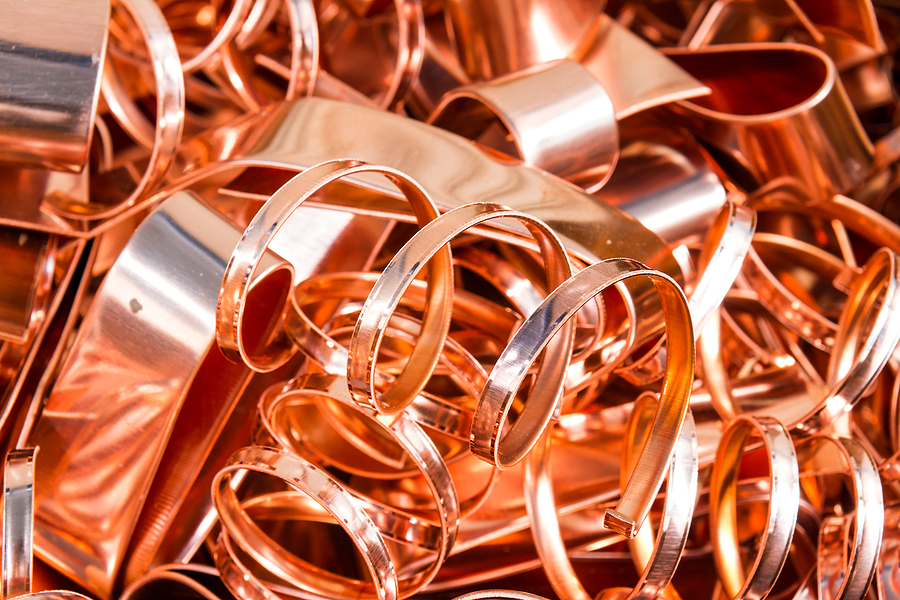
This is the premium grade. Bare Bright Copper is uncoated, unalloyed wire or cable with a minimum thickness of 16 gauge and a copper content of 99% or higher. It has a distinctive reddish-orange color with a clean, shiny surface—no tarnish, paint, or insulation. At some facilities, Bare Bright Copper commands rates exceeding $4.30 per pound.
No. 1 Copper
No. 1 copper contains 95–99% copper and may include a slight amount of oxidation, but no coatings or solder. Clean plumbing pipes, copper sheet metal, and unalloyed bus bars typically fall into this category. It’s slightly below Bare Bright in value but still commands a strong price.
No. 2 Copper
No. 2 copper includes pipes or wire with paint, solder, minor corrosion, or enamel coatings. Used plumbing with soldered joints and roofing copper exposed to the elements are common examples. While its price per pound is lower than No. 1, it’s still a valuable grade worth separating and bringing in.
Insulated Copper Wire
Insulated copper wire is graded based on its copper-to-insulation ratio. High-quality insulated wire (with roughly 70% copper by weight) earns more than thinner wire with thicker insulation covering. Common sources include residential electrical wiring, appliance cords, and extension cables.
Copper Tubing
Clean copper tubing from plumbing, HVAC systems, and refrigeration units is another recyclable commodity. Tubing free of fittings and solder qualifies as No. 1; tubing with attached connectors or coatings typically grades as No. 2.
Common Sources Around Your Home or Business
Copper shows up in more places than most people expect:
- Residential: Electrical wiring, water supply lines, HVAC systems, old appliances, gutters, and roofing
- Commercial/Industrial: Facility renovations, equipment decommissioning, manufacturing byproducts, and electrical contractor remnants
The Copper Recycling Process
Collection and Sorting
The recycling process starts before you ever arrive at a scrap yard. Sorting your copper by grade at home maximizes your payout. Keep Bare Bright separate from insulated wire, and separate your No. 1 pipe from pipe with solder or paint. This prevents your high-grade material from being downgraded during assessment.
One important rule: never burn insulation off wire to expose the copper underneath. Burning insulation releases toxic chemicals and is illegal in most areas. Mechanical stripping is the proper method for large volumes.
Grading and Assessment
Once at the scrap yard, skilled buyers weigh and assess your copper using calibrated scales and hands-on expertise. The copper grade assigned to each material determines the price per pound you’ll receive. Accurate sorting beforehand gives you more leverage in that assessment.
Processing and Refining
After purchase, scrap yards sell sorted copper to processors who shred, melt, and refine it into secondary raw material. That refined copper re-enters manufacturing—used in new wiring, pipes, motors, and electronics—completing the cycle without any loss of quality.
Benefits of Recycling Copper
Economic Returns
Copper consistently outperforms most other scrap metals on price. Even lower-grade insulated wire or tarnished pipe carries real value. For contractors, plumbers, and electricians who accumulate copper regularly, those payouts add up significantly over time.
Environmental Impact
Recycling copper prevents habitat destruction, reduces water and soil contamination from mining waste, and significantly lowers carbon emissions. Copper is also 100% recyclable without any degradation in quality—meaning every piece you bring to a scrap yard can be used indefinitely in future production.
Supporting Local Infrastructure
Local scrap metal recycling keeps materials out of landfills and supports a supply chain that benefits manufacturers across the country. For communities in Central Indiana, businesses like Garden City Iron & Metal play a direct role in that regional recycling ecosystem.
Where to Recycle Copper in Central Indiana
Garden City Iron & Metal, headquartered at 5 Kenmill St. in Columbus, Indiana, is a locally owned and operated scrap metal recycling facility serving Central and Southern Indiana. We accept all types of copper—including bare wire, insulated wire, pipe, sheet copper, and mixed loads—and pay cash on the spot.
What to Expect When You Arrive
Bring your sorted copper and our experienced scrap metal buyers will weigh and grade your material using three state-certified electronic platform scales. There are no hidden fees, and estimates are free. For larger loads, Garden City Iron & Metal offers a free haul-away service through their in-house tow truck—just give us a call to arrange pickup.
Business hours:
Monday–Friday: 9:00 AM – 5:00 PM
Saturday: 9:00 AM – 1:00 PM
Tips for Maximizing Your Payout
- Sort by grade before arriving—keep Bare Bright separate from insulated wire and pipe
- Remove fittings, solder points, and non-copper attachments where possible
- Clean off surface contaminants on tubing if practical
- Avoid mixing copper grades into a single pile, which can result in the whole load being priced at the lower grade
Frequently Asked Questions
What types of copper does Garden City Iron & Metal accept?
Garden City Iron & Metal accepts all grades of copper, including Bare Bright, No. 1 and No. 2 copper pipe and wire, insulated copper wire, and copper tubing. Mixed metals are also accepted.
How is copper priced at a scrap yard?
Copper is priced per pound, with the rate determined by its grade (purity level) and current market conditions. Higher-purity copper—like Bare Bright—commands significantly higher rates than lower-grade or heavily contaminated material.
Can I bring in mixed metals along with copper?
Yes. Garden City Iron & Metal accepts a wide range of metals including aluminum, brass, iron, steel, lead, and more. Separating your materials by type before arrival typically results in a better overall payout.
Is it worth recycling small amounts of copper?
Absolutely. Even a small load of clean copper wire or pipe carries tangible value. If you’re accumulating copper over time from a renovation or equipment replacement, it’s worth holding and bringing in as a larger batch.
Does Garden City Iron & Metal offer pickup for large loads?
Yes. Garden City Iron & Metal provides free haul-away service using their in-house tow truck. Call 1-888-586-5322 to arrange a pickup.
Put Your Copper to Work
Copper sitting in your garage, storage unit, or job site isn’t just taking up space—it has real, measurable value. Sorting and recycling it responsibly benefits both your bottom line and the environment.
For Central and Southern Indiana residents and businesses, Garden City Iron & Metal makes the process simple: cash on the spot, no hidden fees, and knowledgeable staff who assess your material accurately. Call 1-888-586-5322 or visit their facility at 5 Kenmill St., Columbus, IN, to get started.
Related Posts:
Where To Look For Scrap Copper
What to Consider Before Selling Your Copper
Copper Recycling: Why It Matters and How You Can Make a Difference