Most people are familiar with precious metals, especially those who love jewelry or collect coins. However, many people have never heard the term, “noble” metals, which happen to be quite similar, but stand out as their own category of metal. Some people often confuse these two categories since most noble metals are also precious ones.
Continue reading to learn more about precious metals and noble metals, including their similarities and differences.
Precious Metals Versus Noble Metals
Precious Metals
“Precious” metals are rare, naturally-occurring elemental metals that have a high economic value. Throughout history, they were used as currency. Even today, there are still sold and traded as investments, as well as, among private buyers and sellers.
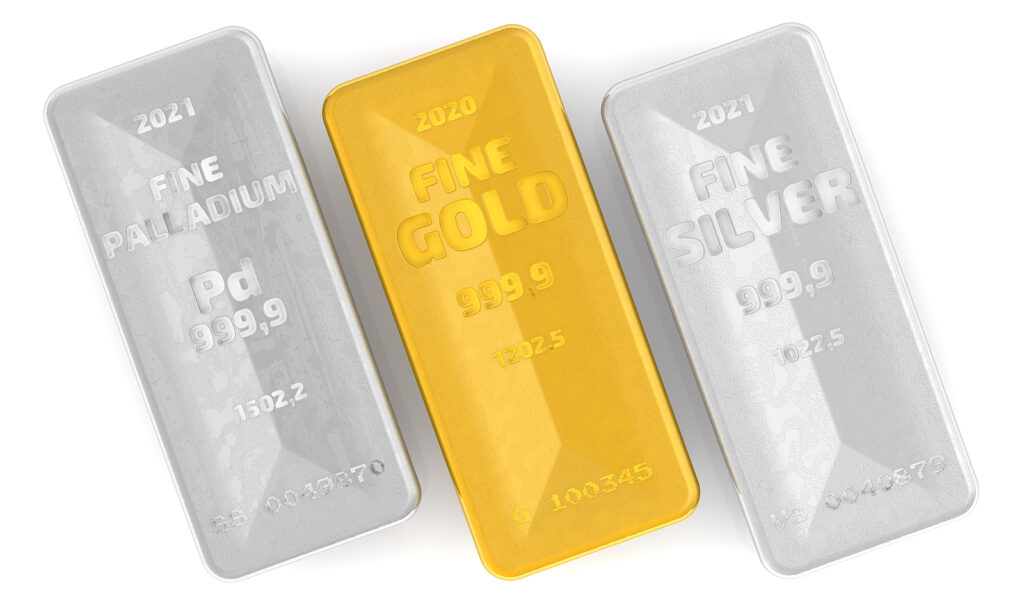
Common examples include gold, platinum, silver, zirconium, palladium, mercury, bismuth, beryllium, germanium, rhodium, cobalt, tungsten, iridium, and osmium. They are often used in jewelry and other ornamental décor since they are extremely corrosion-resistant and acid attack resistant. They are also used for investment purposes, currency, electronics, radiation shielding, thermal insulation, and more.
Noble Metals
Noble metals are a grouping of metals that resist oxidation and corrosion in moist or humid air. Common examples in order of increasing atomic number include ruthenium, rhodium, palladium, silver, osmium, iridium, platinum, and gold. However, there are multiple “lists” for noble metals, as some contain mercury while other may include rhenium. Some lists include gold, silver, and copper, but leave out all others.
Interestingly enough, not all metals that are resistant to corrosion and acid attacks are considered “noble.” For instance, titanium, niobium, and tantalum are all highly resistant to corrosion, yet they are not categorized as noble metals. Although chemists permit a relaxed definition of noble metals, physicists offer a more restrictive definition. According to the science of physics, noble metals are those that have filled electronic d-bands. If you adhere to this definition, only gold, silver and copper are considered noble.
How to Sell Precious Metal
If you have old jewelry, catalytic converters, coin collections, or other versions of valuable metal, you can sell these items to a scrap metal buyer and get paid cash on the spot. Gold, silver, and platinum are currently doing well in the scrap metal market, so take advantage of the current economy and sell your precious metal commodities while their value is still exponential.
Are you wondering which local metal recycling center is the best choice for your high-end, luxury metals? Just contact Garden City Iron & Metal at 1-888-586-5322 for the highest standards of professionalism, and the highest payouts for metal recycling in Indianapolis, Indiana.
Related Posts:
Do You Know What Makes Brass and Bronze Different From Each Other?
The Discerning Attributes of Ferrous and Non-Ferrous Metal
Types of Recyclable Precious Metal and Where to Find Them