TL;DR: Steel is the most recycled material on the planet, vital for a sustainable circular economy. Recycling steel conserves massive amounts of energy, raw materials, and landfill space. The process significantly lowers greenhouse gas emissions compared to producing new steel.
Key Takeaways:
- Infinite Lifecycle: Steel can be recycled over and over again without ever losing its strength or quality.
- Energy Efficiency: Every tonne of steel scrap used avoids 1.5 tonnes of CO2 emissions.
- Resource Conservation: Recycling one tonne of steel saves 1.4 tonnes of iron ore and 740 kg of coal.
- Economic Driver: The industry supports local jobs and turns waste into valuable infrastructure.
Table of Contents:
- Why is Steel Recycling Important?
- What are the Benefits of Recycling Steel?
- How is Steel Recycled?
- What are Common Sources of Recycled Steel?
- What is the Environmental Impact of Steel Recycling?
- Frequently Asked Questions (FAQs)
- Quick Recap & Conclusion
- Steel Recycling Services in Indianapolis, Indiana
Steel is the backbone of modern life. From the cars we drive to the buildings we work in and the appliances we use daily, this durable alloy is everywhere. But its journey doesn’t end when a car is scrapped or a building is demolished. Unlike many other materials that degrade during the recycling process, steel has the unique ability to be recycled infinitely.
This “permanent material” is central to the global push for a circular economy—a system designed to eliminate waste and keep resources in use for as long as possible. Understanding the journey of steel from scrap back to structural integrity isn’t just for industry experts; it helps us all appreciate how responsible waste management protects our planet.
Why is Steel Recycling Important?
We often think of recycling in terms of plastic bottles or paper, but steel recycling happens on a massive, industrial scale that dwarfs other materials. In fact, steel is the most recycled material in the world. According to the World Steel Association, around 680 million tonnes of steel were recycled in 2021 alone.
This process is critical because it reduces our reliance on mining virgin raw materials. Every time we recycle steel, we keep valuable iron ore in the ground and reduce the need for energy-intensive extraction processes. It transforms what would otherwise be considered “waste” into a valuable commodity that builds our future infrastructure.
What are the Benefits of Recycling Steel?
The advantages of recycling steel extend far beyond just cleaning up scrap yards. The positive ripple effects touch everything from energy grids to local ecosystems.
Reduced Energy Consumption
Producing steel from virgin ore is an energy-intensive process requiring extreme heat to smelt iron. Remelting steel scrap requires significantly less energy. Modern steel production uses about 40% less energy today than it did in 1960, largely due to the shift toward scrap-based recycling methods like Electric Arc Furnaces (EAF) (World Steel Association, n.d.).
Conservation of Natural Resources
When we choose to recycle metal, we are directly saving the Earth’s natural resources. For every single tonne of steel scrap used in production, the industry avoids consuming:
- 1.4 tonnes of iron ore
- 740 kg of coal
- 120 kg of limestone
- Decreased Landfill Waste
Steel is large, heavy, and bulky. If left unrecycled, abandoned cars, appliances, and demolition debris would rapidly consume precious landfill space. Recycling diverts millions of tonnes of this material away from dumpsites, ensuring that land is used effectively rather than becoming a graveyard for old metal.
Lower Greenhouse Gas Emissions
Perhaps the most critical benefit is the reduction in carbon footprint. The production of new steel releases carbon dioxide (CO2). However, by using steel scrap, the industry avoids the emission of 1.5 tonnes of CO2 for every tonne of scrap utilized. This equates to avoiding over one billion tonnes of CO2 emissions globally each year.
How is Steel Recycled?
The journey from a rusty beam to a shiny new car part involves several precise steps. This cycle ensures that the new product is just as strong and safe as the original.
1. Collection and Sorting
It starts with gathering scrap metal from scrapyards, curbside bins, and demolition sites. Because steel is magnetic, huge electromagnets are often used to easily separate steel from other waste streams or non-target materials, like plastic or non-ferrous metals.
2. Processing and Melting
Once sorted, the steel is compacted and shredded into smaller pieces. These shreds are loaded into a furnace—typically an Electric Arc Furnace—where they are melted down at temperatures reaching 3,000 degrees Fahrenheit.
3. Purifying and Solidifying
Impurities, known as slag, float to the top of the molten metal and are removed. The purified liquid steel is then cast into semi-finished shapes like slabs, blooms, or billets.
4. Quality Testing and Fabrication
The steel is cooled and rolled into its final shape. Before it leaves the mill, it undergoes rigorous testing to ensure it meets specific strength and quality standards. It is then ready to be manufactured into new products.
What are Common Sources of Recycled Steel?
Steel scrap comes from three main sources: home scrap (from within the steel mill), prompt scrap (from manufacturing processes), and obsolete scrap (post-consumer use). Here are the most common items contributing to the supply:
- Automobiles: Junk cars are a primary source of recycled steel. The U.S. Geological Survey notes that the recycling rate for automobiles has historically averaged near 100%.
- Construction Materials: When bridges or buildings are demolished, the steel beams and rebar are recovered.
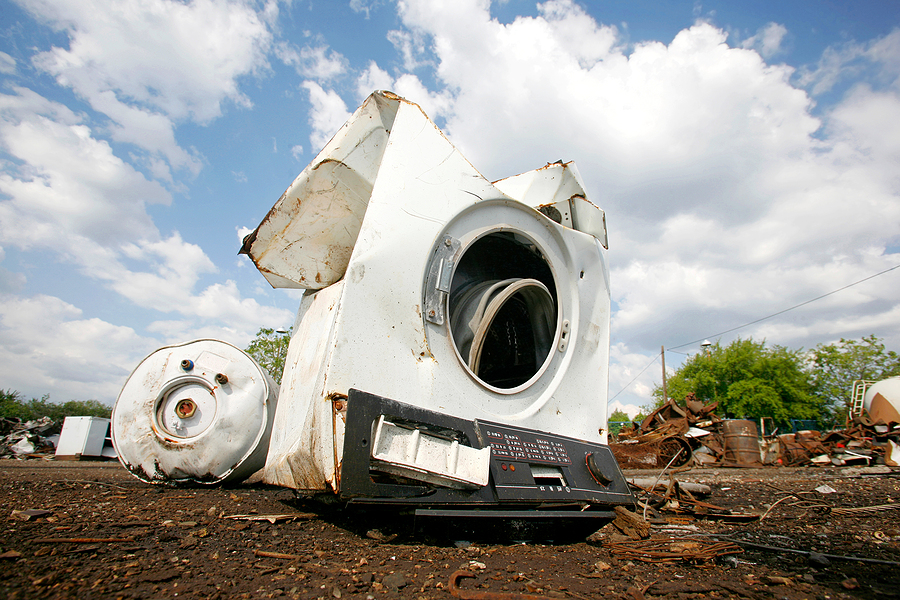
- Household Appliances: Washing machines, refrigerators, and ovens (often called “white goods”) are rich in steel.
- Industrial Equipment: Heavy machinery, manufacturing tools, and farm equipment eventually find their way back into the furnace.
What is the Environmental Impact of Steel Recycling?
The environmental impact of recycling steel is profoundly positive. By bypassing the mining stage, we avoid the soil erosion, habitat disruption, and water pollution often associated with extracting iron ore and coal.
Furthermore, the preservation of ecosystems is a direct result of lower carbon emissions. With climate change being a pressing global concern, the steel industry’s ability to lower its carbon footprint through recycling helps mitigate the warming of our planet. It supports a cleaner, healthier environment for future generations.
More Frequently Asked Questions
Can steel be recycled multiple times?
Yes, absolutely. Steel is unique because it can be recycled indefinitely without any loss of quality. A steel beam recycled today has the same strength and durability as one produced 50 years ago, and it can be recycled again 50 years from now.
What types of steel can be recycled?
Almost all steel can be recycled. This includes stainless steel, carbon steel, and galvanized steel. Whether it’s a food can, a car door, or a construction beam, it can be melted down and reused.
How does recycling steel benefit the economy?
The recycling industry drives economic growth by creating jobs in collection, processing, and manufacturing. It also lowers the cost of production for manufacturers by providing a cheaper raw material compared to virgin ore, which can translate to lower costs for consumers.
What role do consumers play in steel recycling?
Consumers play a vital role by properly disposing of metal waste. Ensuring that food cans are placed in recycling bins and that old appliances or vehicles are taken to licensed scrapyards ensures the material enters the recycling loop rather than ending up in a landfill.
Quick Recap:
- Steel recycling helps to conserve our natural resources and reduce the carbon footprint.
- The process of recycling steel requires less energy and emits fewer emissions compared to producing steel from virgin ore.
- Consumers can play a crucial role in steel recycling by properly disposing of metal waste, such as food cans and old appliances, through recycling bins or licensed scrapyards. This ensures that the material is reused instead of ending up in landfills.
- By participating in steel recycling, consumers are contributing to a more sustainable future for generations to come.
Conclusion
By now, you should have a better understanding of the importance of metal recycling and how it can positively impact the environment. With the constant increase in demand for metals, it is crucial that we make an effort to recycle and reuse as much as possible. Not only does this help conserve natural resources, but it also reduces greenhouse gas emissions and saves energy.
Through responsible disposal of metal waste and active participation in recycling programs, we can all make a significant difference in creating a more sustainable world. Let’s continue to educate ourselves and others on the benefits of metal recycling and encourage others to do their part. Together, we can build a cleaner, greener future for ourselves and our planet.
Are you looking to responsibly dispose of scrap metal or industrial steel waste? Whether you are cleaning out a property, managing a demolition site, or looking for industrial recycling solutions, ensuring your steel is handled correctly is the first step toward a more sustainable future. Contact Us Today to learn more about our comprehensive steel recycling services in Indianapolis, Indiana.
Related Post: Recycling Scrap Steel: Help the Planet and Pocket Some Cash