The Best Corrosion-Resistant Metals

Metals that are resistant to corrosion and oxidation are known as corrosion resistant alloys (CRA’s). They are an essential building material that is used in a wide range of manufacturing, construction, and factory applications. There are many types of corrosion-resistant alloys and metals, but some take the cake as being the best.

Continue reading to learn some of the most popular types of corrosion-resistant metals, and what to do with old, corroded metal that cannot be restored.

Scrap Metal Selling 1-888-586-5322
Scrap Metal Buying and Selling 1-888-586-5322

Stainless Steel is the Best Bet to Fending Off Corrosion

Stainless steel metal is something we are seeing more and more these days, everywhere you look. This special metal has a much higher chromium content, as well as a translucent coating that prevents discoloration and, you guessed it, corrosion. Stainless steel comes in many grades and finishes, all of which offer their own unique appeal or performance. Industries all across the nation benefit from stainless steel applications and assets, including food handling, food processing, medical instruments, hardware, appliances, architecture, and much more.

Compared to carbon steel, stainless steel has a much higher chromium content, so when exposed to conditions that would otherwise make it rust or corrode, it instead forms a passive coating of chromium oxide that prevents further deterioration. Not only does it not corrode and does not require a protective coating, it is also easy to clean and sterilize. See our blog, “The Difference Between Mild Steel and Stainless Steel” to learn why stainless steel materials are better for corrosion-resistant applications.

Additional Corrosion Resistant Alloys

Other corrosion-resistant alloys to consider for your building project include 316L austenitic stainless steel, alloy 22, and ZERON® 100. The most common applications for austenitic stainless steel include clad line pipe building, surface piping, and vessel cladding. One downfall is that it will pit of exposed to oxygen. Alloy 22 is typically used for conditions that require resistance to oxidizing acid chlorides, wet chlorine, mixtures containing nitric acid or oxidizing acids with chlorine ions, formic and acetic acids, ferric and cupric chlorides, brine, salt water, and even reducing acids like sulfuric acid and hydrochloric acid. ZERON® 100 is highly resistant to both pitting and corrosion in the presence of salt water, stress corrosion cracking, and similar elemental conditions.

How to Dispose of Old, Corroded Scrap Metal and Materials

You might think that rusty hunk of sheet metal or car frame is simply junk, but it’s actually worth real cash. Contact a local Indianapolis scrap metal buyer and sell your corroded steel and metal commodities for an instant cash profit! Your junk is their gold! Regardless of age, make, model, or condition, a trusted Indiana metal recycling center will take it off your hands, and pay you the real market value for its weight. If you choose your scrap metal buyer wisely, you won’t even need to travel! They will come to you and haul away your scrap metal, free of charge.

The Scrap Metal Center That Will Pay You the Most in Central Indiana

Call Garden City Iron & Metal at 1-888-586-5322 to recycle scrap metal in Indiana. Our Indianapolis metal recycling professionals pay cash on the spot for both ferrous and non-ferrous metals, including junk cars, automotive parts, appliances, construction equipment, motorized farming equipment, and more. We serve all of Indianapolis and Central Indiana. Request a free estimate for your scrap metal, today.

Garden City Iron and Metal 1-888-586-5322

Is Stainless Steel Magnetic?

You might have magnets stuck to the front of your refrigerator at home, but the truth is, not all stainless steel is magnetic. You see, it depends on the type of steel and the particular alloy constituents. Continue reading to learn more about stainless steel, including its magnetic properties and limitations, as well as, what you can do with scrap stainless steel in Indiana.

Indianapolis Steel Recycling
Indianapolis Steel Recycling 1-888-586-5322

Stainless Steel Components and Properties

Stainless steel, also known as inox or inox steel, is a man-made alloy that has a minimum of 10.5% chromium content and a maximum of 1.2% carbon content. Some of the most admired qualities of stainless steel is its resistance to staining, corrosion, and oxidation (rust). For this reason, it is often used in kitchens and food processing plants, as well as industries like medical, electrical, petrochemical, manufacturing, automotive, and more.

Benefits of Stainless Steel Metal

Stainless steel comes in many grades and finishes, all of which offer their own unique appeal or performance. Compared to carbon steel, stainless steel has a much higher chromium content, so when exposed to conditions that would otherwise make it rust or corrode, it instead forms a passive coating of chromium oxide that prevents further deterioration. Not only does it not corrode and does not require a protective coating, it is also easy to clean and sterilize.

Is Stainless Steel Magnetic or Not?

As mentioned, some types of stainless steel are magnetic, and others are not. Two particular factors must be true in order for stainless steel to be magnetic. First, it must contain iron. Some stainless steels contain iron, while others do not. You see, all metal can be categorized as either ferrous or non-ferrous. Ferrous metals contain iron, while non-ferrous metals do not. You can easily tell the difference between the two by simply using a magnet. If the magnet sticks, it is ferrous and contains iron; if it does not stick, it is non-ferrous and contains no iron. Second, stainless steel must have a crystal composition arranged in a ferritic or martensitic structure.

There are 3 types of magnetic stainless steel: ferritic, martensitic, and duplex. Non-magnetic stainless steel are alloys that have austenitic structures. This means they have higher quantities of austenite in them, which is what makes them non-magnetic. For instance, stainless steel grades like 304 and 316 retain high amounts of iron in their chemical composition, but their austenite structures renders them non-magnetic, or non-ferromagnetic.

How to Sell Scrap Steel in Indianapolis for Instant Cash

Call Garden City Iron & Metal at 1-888-586-5322 to recycle scrap metal in Indianapolis, or in Central and Southern Indiana. We pay cash on the spot for both ferrous and non-ferrous metals, as well as, junk cars, automotive parts, appliances, construction equipment, motorized farming equipment, and much more! Get rid of your junk and make some fast cash at the same time.
Garden City Iron and Metal 1-888-586-5322

Common Types of Corrosion Resistant Alloys

If you are looking to earn some money in metal recycling, be sure you are looking for quality metals to sell to your local scrap metal buyers! One of the most highly sought out metals are those that are resistant to corrosion. If you can find corrosion-resistant scrap metal to recycle at a local scrap metal center, you are in for quite the profit.

Continue reading to learn which metals are most resistant to corrosion, and where you might find them at.

Indianapolis Scrap Metal Buyers
Indianapolis Scrap Metal Buyers 1-888-586-5322

Metals That Resist Corrosion

There are several types of metals and alloys that are resistant to corrosion, including oxidation, or rust. However, the most dependable, and therefore mostly applied, are stainless steel, galvanized steel aluminum, and copper, including bronze and brass.

Stainless Steel

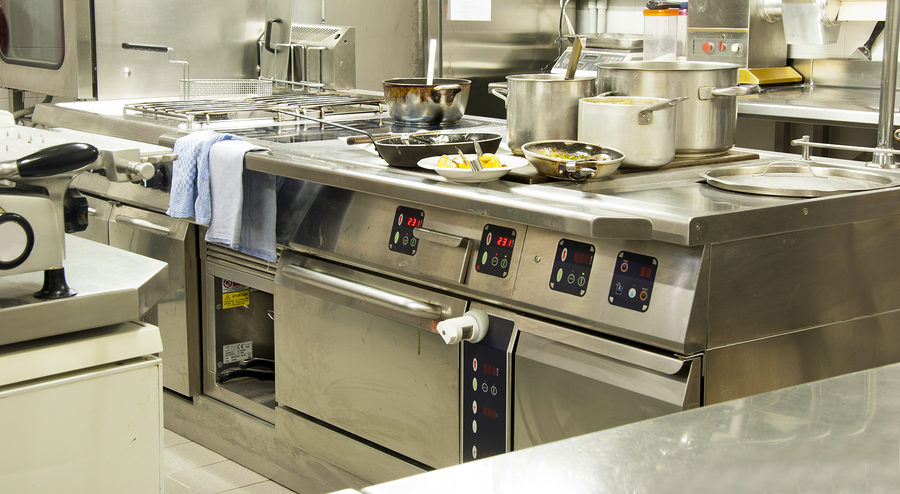
Because stainless steel is made using a combination of nickel, magnesium, chromium copper and iron, it is a very strong and durable alloy that contains several properties that deliver a wide range of benefits. Although its chromium content makes it highly resistant to corrosion and oxidation, if the surface is scratched, it can sometimes develop rust. For this reason, the 304 series is the most common version of stainless steel used in industries where rust is forbidden, such as the restaurant and food industry. Ths type of stainless steel is the most resistant to rust and corrosion. You can find it in components like kitchen sinks, food processing equipment, steam table pans, and more.

Galvanized Steel

Galvanized steel is steel that has been treated with an outer layer or coating of zinc. Galvanization is a process that applies a type of sealant on metal to protect it from natural wear and tear, like rust. It involves coating metal with an outer layer of metallic zinc by means of electroplating or hot-dip galvanizing. The zinc stops any substances, like moisture and oxygen, to penetrate the metal. This reduces rust formation and preserves the structural integrity of metal.

Aluminum

Aluminum is found on the periodic table with the symbol “Al” and atomic number 13. It has a silvery white finish, and mostly admired for its magnetic and ductile (good heat conductivity) properties. This makes aluminum a ferrous metal, meaning it contains iron. Compared to stainless steel, aluminum has higher oxidation and corrosion resistance properties, and is very light in weight. You can find aluminum in the form of food and soda cans, rolled foil, kitchen back splashes, counter tops, food preparation surfaces, factory processing equipment, and more.

Copper, Bronze, and Brass

Because copper, bronze and brass retain little to no iron content, they do not rust. They can, however, react with oxygen which can lead to a beneficial type of oxidation. You see, copper oxidizes over time and forms a green patina that shields the copper from further oxidization and corrosion. Bronze is an alloy of copper. A combination of copper and tin makes a copper alloy known as bronze. It, along with small amounts of other elements within, are naturally more resistant to corrosion than copper. The same facts apply to brass, which is also an alloy of copper made from zinc and other elements, and also highly resistant to corrosion.

Where to Recycle Scrap Metal for Cash

Call Garden City Iron & Metal at 1-888-586-5322 to recycle metal in Indianapolis, or in Central and Southern Indiana. We pay cash on the spot for both ferrous and non-ferrous metals, as well as, junk cars, automotive parts, appliances, construction equipment, motorized farming equipment, and much more! Get rid of your junk and make some fast cash at the same time.

Garden City Iron and Metal 1-888-586-5322