The Basic Types of Steel Metal

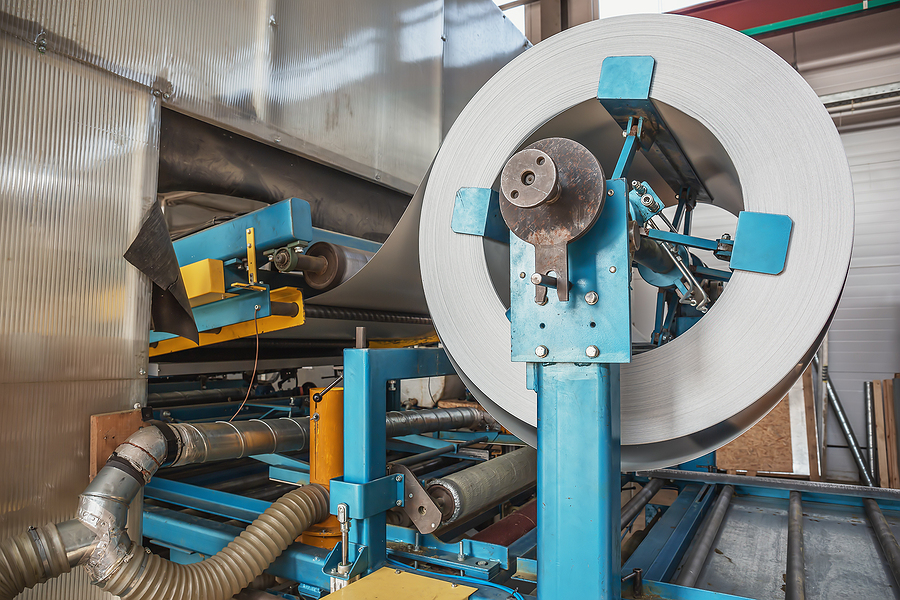
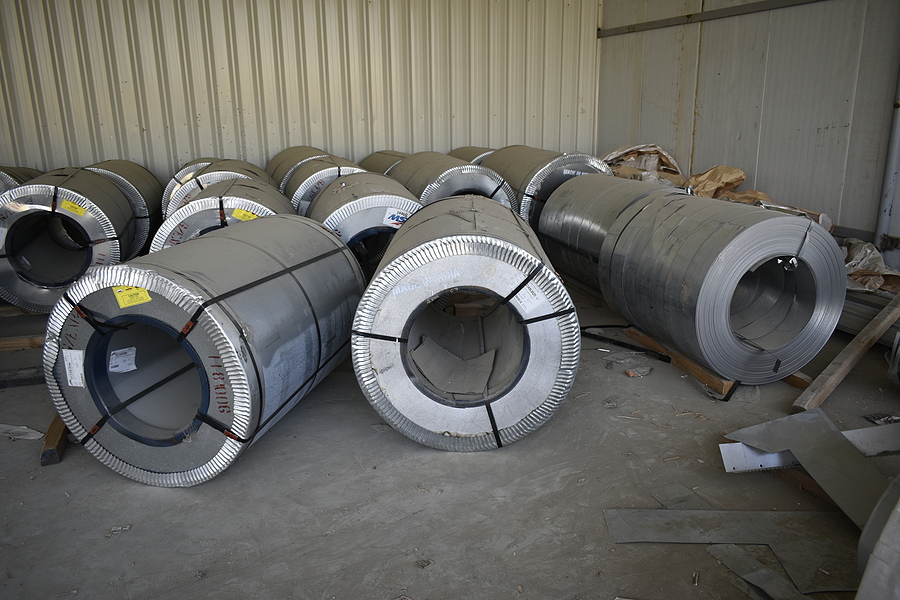
If you were to ask the American Iron and Steel Institute (AISI), they would tell you that steel can be categorized into four basic groups according to their individual chemical compositions. These four groups include 1) Carbon steel, 2) Alloy steel, 3) Stainless steel, and 4) Tool steel. All steel is composed of both iron and carbon, but vary in type depending on certain physical, chemical, and environmental properties, all of which are determined by the amount of carbon and any additional alloys.

Continue reading to learn some interesting facts about each type of steel, and where you can make fast cash by recycling your scrap steel in Indiana.

Indianapolis Scrap Steel Recycling 1-888-586-5322

Categories of Carbon Steel

Carbon steel can be further categorized into three groups, which are low carbon, medium carbon, and high carbon. Low carbon, also called mild steel, is one of the largest categories of carbon steel, and generally contains anywhere from 0.04% to 0.30% carbon content. Medium carbon generally contains anywhere from 0.31% to 0.60% carbon content, as well as a range of 0.60% to 1.65% of manganese content. High carbon steel is informally known as “carbon tool steel” and contains 0.61% to 1.50% carbon content. It is difficult to manipulate, and becomes very brittle when heat-treated.

Stainless Steel

Stainless steel contains added alloys that make is extremely resistant to corrosion in comparison to carbon and alloy steel. This is why it is commonly used in the medical/surgical industries, appliance industry, hardware manufacturing industry, food processing/handling industry, architectural industry, and more. It contains both carbon and iron, as mentioned before, but stainless steel generally contains other alloys as well, such as Chromium (Cr), Molybdenum (Mo), or Nickel (Ni). 

Alloy Steel

Alloy steel also contains carbon, since all steel contains both carbon and iron. But alloy steel also contains a marginal number of additional elements, such as Nickle (Ni), Chromium (Cr), and Manganese (Mn). This type of steel is popular and commonly used due to their wide availability, economical costs, ease of processing, and quality mechanical properties. In comparison to carbon steel, alloy steel is more responsive to mechanical and heat treatments. Heated alloy steel comes in wither annealed or normalized.

Tool Steel

Tool steel is a general term to describe a variety of steels that retain high-hardness and abrasion-resistance properties. Specific applications for tool steel include stamping, extrusion, dies, cutting, mold-making, or impact applications such as hammering.

Where to Recycle Scrap Steel in Indianapolis, Indiana

Call Garden City Iron & Metal at 1-888-586-5322 for superior scrap steel recycling services in Indianapolis, or in Central and Southern Indiana. We pay cash on the spot for both ferrous and non-ferrous metals, as well as, junk cars, automotive parts, appliances, construction equipment, motorized farming equipment, and much more! Request a free estimate for your scrap metal, today.

Garden City Iron and Metal 1-888-586-5322

The Various Grades of Aluminum Metal

There is a reason why aluminum is so widely used for both industrial and non-industrial applications. It comes in various grades, all of which retain their own unique and beneficial properties. Continue reading to learn which grades of aluminum are most popular, and where you can recycle your scrap aluminum for cash on the spot in Indianapolis, Indiana.

Indianapolis Scrap Aluminum Buyers
Indianapolis Scrap Aluminum Buyers 1-888-586-5322

Facts About Aluminum Alloy

Aluminum, or aluminum alloy, is a very popular and widely used metal in America. Products and commodities such as foil, eyeglasses, gutters, soda cans, pots and pans, bicycles, plumbing fixtures, patio furniture, window frames, door frames, car wheels, ladders, golf clubs, and even airplanes commonly retain aluminum and aluminum alloy components.

It is found on the periodic table with the symbol “Al” and atomic number 13. It has a silvery white finish, and mostly admired for its magnetic and ductile (good heat conductivity) properties. This makes aluminum a ferrous metal, meaning it contains iron. All of these attributes make it a well-suited match for kitchen back splashes, food preparation surfaces, factory processing equipment, metal roofing, paneling, siding, and more.

Top 9 Grades of Aluminum Alloys on the Market:

► Alloy 1100
► Alloy 2012
► Alloy 2014
► Alloy 2024
► Alloy 3003
► Alloy 5052
► Alloy 6061
► Alloy 6063
► Alloy 7075

Why You Should Always Recycle Your Aluminum Scrap

Did you know that the process of mining and producing aluminum takes more energy than any other metal? It’s true! The amount of energy used to produce just 4 cans of aluminum for soda is hypothetically equivalent to filling up a single soda can with pure gasoline. Similarly, recycling just 1 aluminum soda can saves enough electricity to run a laptop computer for 4 hours, or power your television for 1 hour! So you can see the importance of preserving this limited and vital natural resource.

Fortunately, all you have to do to responsibly recycle aluminum metal is contact a local and reputable Indianapolis Indiana metal recycling service to recycle your junk metal for cash on the spot! That’s right; recycling metal earns you instant cash!

Where to Recycle Metal in Indianapolis and Central Indiana

Call Garden City Iron & Metal at 1-888-586-5322 to get paid cash for scrap metal in Central and Southern Indiana. Our Indianapolis metal recycling professionals pay cash on the spot for both ferrous and non-ferrous metals, including junk cars, automotive parts, appliances, construction equipment, motorized farming equipment, and more. There is really no end to the metals we buy in Indiana. Request a free estimate for your scrap metal, today.

Garden City Iron and Metal 1-888-586-5322

What Does Ferrous Mean?

Ferrous and nonferrous metals are used in endless industries for thousands of purposes. Many people wonder what the difference between ferrous metals and nonferrous metals, and why that difference means in terms of their use. If you are interested in learning more about ferrous metal and the types that exist, you are in the right place. Continue reading to do just that!

Scrap Iron and Metal Recycling Indiana
We Buy Scrap Iron and Metal in Indiana 1-888-586-5322

Ferrous Metals Contain Iron

Simply put, ferrous metal is any metal that contains iron or steel. Things like construction scaffolding, automobiles, buildings, power tools, and more are made from ferrous metals. Carbon steel, stainless steel, cast iron, wrought iron, mild steel, and any other forms of steel and iron are examples of ferrous metals. Metal such as stainless steel is not entirely composed of iron and steel. It also contains nickel and chromium. In contrast, wrought iron is made of nearly 100 percent iron.

Ferrous metal is very strong and durable and even retains magnetic properties. This is why it is used to manufacture or construct things that can resist corrosion and remain strong and stable. It is used to make everything from skyscrapers to drill bits, and more. Large-scale piping, cars, trucks, yachts, planes, construction and farming equipment, motors, industrial containers, rail roads, and more are common large-scale commodities built from ferrous metals. Smaller items include everything from kitchen knives, to power tools, electrical appliances, and more.

Nonferrous Metal Do Not Contain Iron

Also simply put, nonferrous metal is metal that does not contain iron or steel compounds. Metals like copper, nickel, aluminum, brass, lead, tin, zinc, and more are all examples of nonferrous metals. Also, precious metals are nonferrous, such as gold, chromium, tungsten, silver, zirconium, mercury, cobalt, bismuth, cadmium, beryllium, and more.  Non-ferrous metals are used for their malleability and versatility.  They also have a higher resistance to rust and corrosion because they do not contain any iron compounds.  Jewelry, electrical wiring, canning, window frames, road signs, electrical fittings, pipe work, batteries, roofing, and millions of other items are made from nonferrous metal materials.

How to Identify Iron Content Using a Magnet

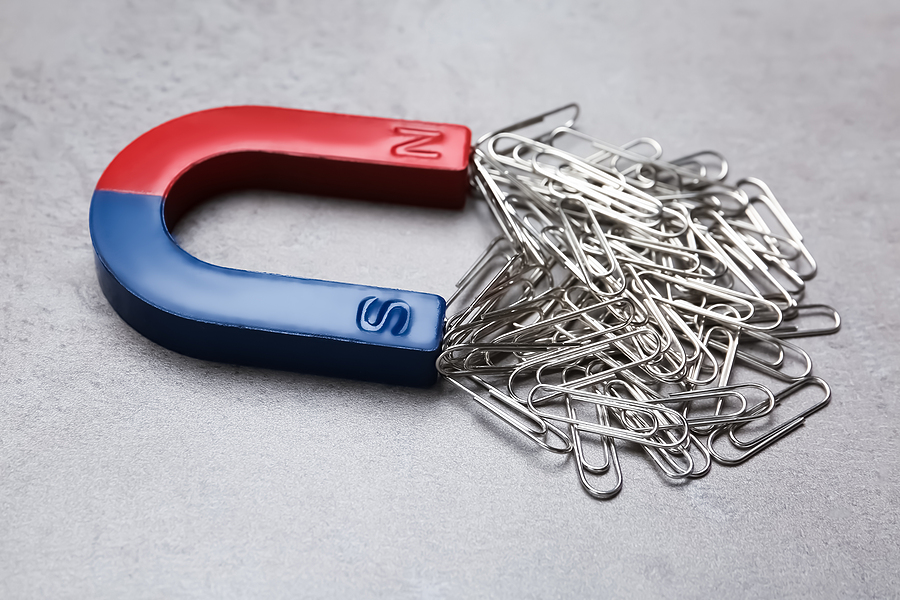
One of the easiest ways to determine if something contains ferrous metal is to hold a magnet to it. If the magnet sticks, it is made with ferrous metals like iron and steel. If the magnet does not stick, then it is made mostly or entirely of nonferrous metals like copper or aluminum. If the magnet pulls slightly but does not stick or stay, it is likely that the item is made from both ferrous and nonferrous metals.

Where to Sell Scrap Metal for Cash in Indiana

Call Garden City Iron & Metal at 1-888-586-5322 to sell scrap iron and metal in Indianapolis, Indiana. We pay cash on the spot for both ferrous and non-ferrous metals, as well as, junk cars, automotive parts, appliances, construction equipment, motorized farming equipment, and much more! There is simply no end to the metals we buy in Central Indiana! Get rid of your junk and make some fast cash at the same time. Call today to get a free quote.

Garden City Iron and Metal 1-888-586-5322

The Best Corrosion-Resistant Metals

Metals that are resistant to corrosion and oxidation are known as corrosion resistant alloys (CRA’s). They are an essential building material that is used in a wide range of manufacturing, construction, and factory applications. There are many types of corrosion-resistant alloys and metals, but some take the cake as being the best.

Continue reading to learn some of the most popular types of corrosion-resistant metals, and what to do with old, corroded metal that cannot be restored.

Scrap Metal Selling 1-888-586-5322
Scrap Metal Buying and Selling 1-888-586-5322

Stainless Steel is the Best Bet to Fending Off Corrosion

Stainless steel metal is something we are seeing more and more these days, everywhere you look. This special metal has a much higher chromium content, as well as a translucent coating that prevents discoloration and, you guessed it, corrosion. Stainless steel comes in many grades and finishes, all of which offer their own unique appeal or performance. Industries all across the nation benefit from stainless steel applications and assets, including food handling, food processing, medical instruments, hardware, appliances, architecture, and much more.

Compared to carbon steel, stainless steel has a much higher chromium content, so when exposed to conditions that would otherwise make it rust or corrode, it instead forms a passive coating of chromium oxide that prevents further deterioration. Not only does it not corrode and does not require a protective coating, it is also easy to clean and sterilize. See our blog, “The Difference Between Mild Steel and Stainless Steel” to learn why stainless steel materials are better for corrosion-resistant applications.

Additional Corrosion Resistant Alloys

Other corrosion-resistant alloys to consider for your building project include 316L austenitic stainless steel, alloy 22, and ZERON® 100. The most common applications for austenitic stainless steel include clad line pipe building, surface piping, and vessel cladding. One downfall is that it will pit of exposed to oxygen. Alloy 22 is typically used for conditions that require resistance to oxidizing acid chlorides, wet chlorine, mixtures containing nitric acid or oxidizing acids with chlorine ions, formic and acetic acids, ferric and cupric chlorides, brine, salt water, and even reducing acids like sulfuric acid and hydrochloric acid. ZERON® 100 is highly resistant to both pitting and corrosion in the presence of salt water, stress corrosion cracking, and similar elemental conditions.

How to Dispose of Old, Corroded Scrap Metal and Materials

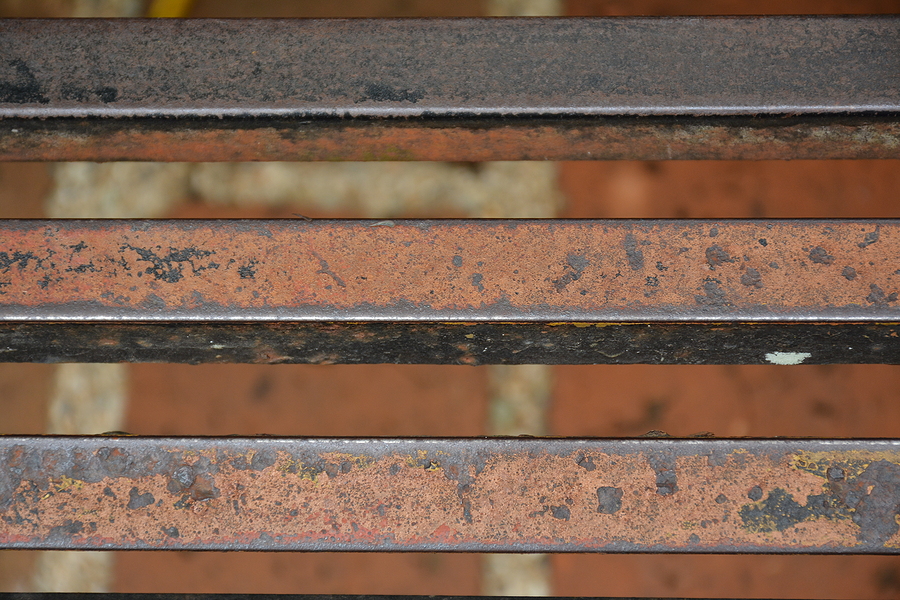
You might think that rusty hunk of sheet metal or car frame is simply junk, but it’s actually worth real cash. Contact a local Indianapolis scrap metal buyer and sell your corroded steel and metal commodities for an instant cash profit! Your junk is their gold! Regardless of age, make, model, or condition, a trusted Indiana metal recycling center will take it off your hands, and pay you the real market value for its weight. If you choose your scrap metal buyer wisely, you won’t even need to travel! They will come to you and haul away your scrap metal, free of charge.

The Scrap Metal Center That Will Pay You the Most in Central Indiana

Call Garden City Iron & Metal at 1-888-586-5322 to recycle scrap metal in Indiana. Our Indianapolis metal recycling professionals pay cash on the spot for both ferrous and non-ferrous metals, including junk cars, automotive parts, appliances, construction equipment, motorized farming equipment, and more. We serve all of Indianapolis and Central Indiana. Request a free estimate for your scrap metal, today.

Garden City Iron and Metal 1-888-586-5322

This Fact About Steel Will Shock You

Steel is one of the most abundant and applied metals in the world. Not only does it retain incredible properties, such as high tensile strength and resistance to corrosion, steel’s formability is infinite. But there is one very unique quality of steel metal that most of us never knew, and it has to do with recycling. You see, all steel bought and sold in the United States contains recycled steel material.  All of it. Intrigued?

Continue reading to learn even more interesting facts about steel and metal recycling, including how to make fast cash by selling scrap metal in Indiana.

Indianapolis Scrap Steel Buyers
Indianapolis Scrap Steel Buyers 1-888-586-53221-888-586-5322

Facts About Steel Recycling

When you look around, you can likely see steel everywhere, in every direction. Steel is used in various industries across the land, including building and construction, medical, food and beverage, plumbing, automotive, aviation, fire protection, and much more. Your home and office are built with steel, and the appliances and other commodities within also contain steel. The best thing about steel, or any metal for that matter, is that it is 100% recyclable, and can be recycled over and over again without losing any calculable quality. Millions of tons of steel products and materials are recycled into new steel products each year!

The Benefits of Recycling Steel

One of the most important and primary parts of steel manufacturing is steel recycling. There are several benefits of recycling scrap metal. Not only does recycling metal help preserve our planet’s natural resources and reduce our need to mine for new ores, it decreases harmful factory emissions generated while producing new steel, which also positively impacts our environment. Virtually all of the steel used to manufacture new products and materials contain post-consumer steel product, better known as recycled steel. In fact, most states have a mandate known as a “buy recycled” mandate, which requires consumers to purchase recycled steel products when procuring material for large-scale production.

Where to Recycle Scrap Steel for Cash in Indianapolis, Indiana

Call Garden City Iron & Metal at 1-888-586-5322 for superior scrap metal recycling services in Indianapolis, or in Central and Southern Indiana. We pay cash on the spot for all scrap metal, including steel and iron. We also buy junk cars, car parts, appliances, construction equipment, motorized farming equipment, and much more! Get rid of your junk and make some fast cash at the same time.
Garden City Iron and Metal 1-888-586-5322

Common Techniques for Galvanizing Metal

Galvanization is a process in which metal is coated with an additional thin protective layer, usually comprised of zinc, to prevent corrosion. When considered galvanization for any construction needs, you will need to review all of your options in order to choose the best one. Continue reading to learn the most common methods used to galvanize metal, as well as, where to get paid cash-in-hand for recycling your leftover scrap metal materials and commodities in Central Indiana.

Indianapolis Scrap Metal Buyers 1-888-586-5322

The Benefit and Purpose of Galvanized Metal

After metal is galvanized, the added layer of protection serves as a first defense against all external environmental factors, such as moisture, rain, snow, dirt, wind, wildlife, and any other element or organism that can negatively impact the appeal and structural integrity of the base metal. Galvanization also protects metal through a process known as “galvanic corrosion”, which takes place when two metals with separate electro-chemical make-up come into contact with one another while an electrolyte is present, such as the case of salt water. Furthermore, galvanizing metal is more cost-effective compared to using austenitic stainless steel or aluminum for corrosion prevention applications.

Methods of Galvanizing

There are many different methods used to galvanizing metal. The most common approaches include pre-galvanizing, hot-dip galvanizing, and electro-galvanizing. Pre-galvanizing and electro-galvanizing are generally applied continuously to a roll of sheet metal, while hot-dipped galvanizing is mostly applied to metals with complex shapes and formations.

Here is a brief description of each process and how they give metal anti-corrosion properties:

Pre-Galvanizing – Pre-galvanizing is process that involves cleaning the base metal (either mechanically, chemically, or both) to ensure that a quality bond can be made between metal and coating, then passing it through a pool of liquid zinc, and then recoiling it. This method is typically carried out in a steel mill, and only applied to metals that are already shaped.

Hot-Dip Galvanizing – Hot-dip galvanizing is very similar to pre-galvanizing in that both process involve cleaning the base metal and then dipping it into hot, liquid zinc. However, before dipping, the base metal is further cleared of any leftover oxides.

Electro-Galvanizing – Electro-galvanizing is a process that involves using electrical currents in an electrolyte solution to transfer zinc ions onto metal. To achieve this, positively-charged zinc ions are electrically reduced to zinc metal, which is in turn, deposited onto the positively-charged base metal. Grain refiners are also sometimes incorporated to ensure smoother coating.

How to Sell Metal Junk and Scrap Metal in Central Indiana

Call Garden City Iron & Metal at 1-888-586-5322 to sell scrap metal in Indianapolis, Indiana. We pay cash on the spot for all metal and metal commodities, including vehicles, car parts, appliances, construction equipment, farming equipment, and much more! Collect all the scrap metal you can, and then sell it to us for the highest profit in town! Request a free estimate or information, today.

Garden City Iron and Metal 1-888-586-5322

Is Stainless Steel Magnetic?

You might have magnets stuck to the front of your refrigerator at home, but the truth is, not all stainless steel is magnetic. You see, it depends on the type of steel and the particular alloy constituents. Continue reading to learn more about stainless steel, including its magnetic properties and limitations, as well as, what you can do with scrap stainless steel in Indiana.

Indianapolis Steel Recycling
Indianapolis Steel Recycling 1-888-586-5322

Stainless Steel Components and Properties

Stainless steel, also known as inox or inox steel, is a man-made alloy that has a minimum of 10.5% chromium content and a maximum of 1.2% carbon content. Some of the most admired qualities of stainless steel is its resistance to staining, corrosion, and oxidation (rust). For this reason, it is often used in kitchens and food processing plants, as well as industries like medical, electrical, petrochemical, manufacturing, automotive, and more.

Benefits of Stainless Steel Metal

Stainless steel comes in many grades and finishes, all of which offer their own unique appeal or performance. Compared to carbon steel, stainless steel has a much higher chromium content, so when exposed to conditions that would otherwise make it rust or corrode, it instead forms a passive coating of chromium oxide that prevents further deterioration. Not only does it not corrode and does not require a protective coating, it is also easy to clean and sterilize.

Is Stainless Steel Magnetic or Not?

As mentioned, some types of stainless steel are magnetic, and others are not. Two particular factors must be true in order for stainless steel to be magnetic. First, it must contain iron. Some stainless steels contain iron, while others do not. You see, all metal can be categorized as either ferrous or non-ferrous. Ferrous metals contain iron, while non-ferrous metals do not. You can easily tell the difference between the two by simply using a magnet. If the magnet sticks, it is ferrous and contains iron; if it does not stick, it is non-ferrous and contains no iron. Second, stainless steel must have a crystal composition arranged in a ferritic or martensitic structure.

There are 3 types of magnetic stainless steel: ferritic, martensitic, and duplex. Non-magnetic stainless steel are alloys that have austenitic structures. This means they have higher quantities of austenite in them, which is what makes them non-magnetic. For instance, stainless steel grades like 304 and 316 retain high amounts of iron in their chemical composition, but their austenite structures renders them non-magnetic, or non-ferromagnetic.

How to Sell Scrap Steel in Indianapolis for Instant Cash

Call Garden City Iron & Metal at 1-888-586-5322 to recycle scrap metal in Indianapolis, or in Central and Southern Indiana. We pay cash on the spot for both ferrous and non-ferrous metals, as well as, junk cars, automotive parts, appliances, construction equipment, motorized farming equipment, and much more! Get rid of your junk and make some fast cash at the same time.
Garden City Iron and Metal 1-888-586-5322

How to Recycle a Boat in Indianapolis

Boating season is not over just yet, but now that is the last full week of August, we can all see the end is fast approaching. For Hoosiers with boats that have undoubtedly seen their last summer, it is the perfect time to ask yourself whether to sell or store your junk boat. Well, if you would like some guidance, most Indiana boat owners choose to recycle their old boats and watercrafts to a local scrap metal recycling center.

Why recycle? Well, not only are you helping the environment by allowing us to preserve our natural resources and reduce our need to mine for new ores, you can also make money. That’s right; you can get paid for your junk boat at an Indiana metal recycling company.

Continue reading to learn step by step, how to recycle a boat in Central Indiana.  

Indianapolis Boat Recycling 1-888-586-5322

Boat Recycling Basics You Need to Know First

Boats are typically made of wood or metal, or both. Metal is 100% recyclable, and can be melted down and made into new commodities, infinitely. For this reason, boat recycling is a lucrative enterprise, which is why metal scrappers will pay recyclers for their junked boats. Regardless of age, make, model, or condition, all boats can be recycled, and they are all worth cash.

How much your junk boat is worth in cash depends on several factors, such as:

⚫ Age

⚫ Model

⚫ Condition

⚫ Location

⚫ Market Values for Metal

How Do I Find a Metal Recycling Company Near Me?

It is important to do your research before choosing a metal recycling company to do business with. There are hundreds of scrap metal buyers out there, but not all are officially licensed, let alone experienced, well-equipped, and reputable. By selecting the right Central Indiana Metal Recycling Center, you have a better chance at getting paid more cash, sooner, and without having to do anything but call for a quote.

We Will Pay Cash for Your Junk Boat and Watercrafts in Indiana

Call Garden City Iron & Metal at 1-888-586-5322 to get paid cash for junk boats and watercrafts in Central and Southern Indiana. Our Indianapolis metal recycling professionals pay cash on the spot for all junk boat make and models, as well as, junk cars, automotive parts, appliances, construction equipment, motorized farming equipment, and more. Request a free estimate for your scrap metal, today.

Garden City Iron and Metal 1-888-586-5322

The Difference Between Wrought Iron and Cast Iron

Many people assume that wrought iron and cast iron are interchangeable terms for early ironwork, or antique iron working. However, wrought iron and cast iron, although sharing the same mental material, are two different methods of working with iron. Continue reading to learn the basic differences between wrought iron and cast iron, as well as, how to sell your left over scrap iron for instant cash.

Indianapolis Scrap Iron Buyers 1-888-586-5322

Wrought Versus Cast

Here are the basics: cast iron is melted, transferred to a custom mold, then left to cool and solidify. Wrought-iron, on the other hand, is heated, worked, and modified, and then allowed to cool and harden. For more details in their differences, take a look at the differences below.

Wrought Iron

Wrought iron is a crude alloy that is defined by its carbon content. Specifically, wrought iron is any iron that retains less than 0.8% carbon content. When the carbon content reaches 2.1%, it is cast iron. If it reaches beyond 4% carbon content, no longer cast iron, but something else. The top benefits of wrought iron include its toughness, malleability, ductility, corrosion-resistance, and ease of welding. It is a fact that the term “wrought” is derived from the past participle of the word “worked.” This is one-way you can remember the primary difference between wrought-iron mythology and cast iron methodology.

Cast Iron

The term “cast” in “cast iron” is meant to be a generic moniker for a long list of ambiguous iron alloys. You see, cast iron is a metal alloy, meaning it is not pure iron. Along with iron, it contains 2% to 4% carbon, along with smaller quantities of manganese and silicone. As mentioned, when the carbon content in metal exceeds 2.0 %, it is officially cast iron. It is even common to find certain metal impurities, such as sulfur or phosphorus, but in very small amounts.

Comparing the Two

When comparing cast iron to wrought iron, cast iron is harder, yet more brittle. It is also less pliable, meeting it is not possible to bend, stretch, or form. Although cast-iron is hard, it has low tensile strength, meaning it will break before it ever bends. On the other hand, cast-iron has notable compression strength. Compared to cast-iron, wrought iron is more ductile, so it’s softer and easily malleable. It can also be reheated over and over without losing any strength. In fact, it gets stronger every time it’s worked. It can also be formed into various shapes.

Where to Sell Left Over Iron and Scrap Metal in Indianapolis

Call Garden City Iron & Metal at 1-888-586-5322 to sell scrap metal in Indianapolis, Indiana. We pay cash on the spot for all metal and metal commodities, including sheet metal, piping, beams, vehicles, car parts, appliances, construction equipment, farming equipment, and much more! Collect all the scrap metal you can, and then sell it to us for the highest profit in town! Request a free estimate or information, today.

Garden City Iron and Metal 1-888-586-5322

How to Remove Rust From Corroded Hand Tools

Whether you are a woodworker, a masonry expert, rare tool collector, or just someone who has a full shed, you likely have some rusty old hand tools that need a little attention. Rust and corrosion develop on metal tools as a result of several combined factors. Fortunately, no matter how corroded your rusty hand tools are, there is a safe and effective way to mitigate the aesthetic damage.

Continue reading to learn a full-proof, step by step instruction guide for removing rust and corrosion from old metal hand tools, as well as, how to put the ones that wont clean up to good use.

Indianapolis Scrap Metal Buyers
Indianapolis Scrap Metal Buyers 1-888-586-5322

Hand Tool Restoration Tips

Whether you have a few ball-pen hammers, cruddy socket wrenches, or some old hatchets, this formula and approach will surely remove a majority of any rust and corrosion that has developed along the blades, handles, and more. To get started, gather your needed supplies for the project. You will need at least 1 gallon of distilled white vinegar, a 2 gallon bucket, and a large piece of plywood, or something similar you can use to cover the bucket.

How to Start:

➀ Begin by pouring 1 gallon of distilled white vinegar into a large bucket.

➁ Next, submerge your rusty and corroded metal hand tools in the vinegar.

➂ Next, cover the bucket with a sheet of metal or piece of plywood.

➃ Allow the hand tools to soak in the vinegar for at least 4 hours.

➄ Retrieve the hand tools from the bucket and scrub them with No. 1 steel wool.

➅ Place the hand tools back in the bucket of vinegar and let them soak overnight.

➆ Retrieve the hand tools from the bucket and rinse them with clean water.

➇ Continue by touching up any heavily-corroded areas with steel wool.

➈ If you did not get good results, start the process over again using No. 2, 3, or 4 steel wool.

➉ Finish by wiping the hand tools dry!

Don’t Want Your Rust, Old Hand Tools?

If you do not have the best of luck with rust and corrosion removal, or you simply don’t want your old, rusty hand tools any longer, you can recycle them at your local scrap metal yard. Most of the time, scrappers pay customers cash on the spot for recyclable metal. Simply bring them your box (or boxes) of old and broken metal tools, and walk away with enough money to go buy yourself something new!

How to Earn the Most Cash for Scrap Tools in Indianapolis, Indiana

Call Garden City Iron & Metal at 1-888-586-5322 to speak with our scrap metal buyers in Indianapolis, Indiana. We pay cash on the spot for all metal and metal commodities, including vehicles, car parts, appliances, construction equipment, farming equipment, and much more! Collect all the scrap metal you can, and then sell it to us for the highest profit in town! Request a free estimate or information, today.

Garden City Iron and Metal 1-888-586-5322