Walk onto any construction site or manufacturing floor, and you’ll see the backbone of American infrastructure: steel beams supporting skyscrapers, copper wiring powering homes, and aluminum components making our vehicles lighter and more efficient. But behind these tangible materials lies a volatile, invisible force—the fluctuating market of metal prices.
For business owners, contractors, and even savvy recyclers, understanding U.S. metal pricing trends isn’t just about curiosity; it’s about the bottom line. Whether you are bidding on a new project or looking to offload industrial scrap, the rise and fall of these commodities can significantly impact your profitability.
Navigating this market requires more than just checking a daily ticker. It demands an understanding of the complex web of global supply chains, economic policies, and geopolitical shifts that drive prices up or down. This guide peels back the layers of the metal market, offering an insider’s look at what is currently happening with steel, aluminum, and copper, and what the future might hold for these essential resources.

The 401 on the Price of Scrap Metal
The Big Three: An Overview of Key Metals
To understand pricing, we first need to appreciate the role “The Big Three”—steel, aluminum, and copper—play in our economy. These metals are the bellwethers of industrial health, and their price movements often signal broader economic shifts.
Steel remains the king of construction and manufacturing. From automotive bodies to major infrastructure projects, its durability and cost-effectiveness make it indispensable. However, because it is so heavily relied upon, its price is incredibly sensitive to changes in industrial output and government tariffs.
Aluminum, prized for its high strength-to-weight ratio, is critical for the aerospace, packaging, and automotive industries. As the world pushes for greener technologies and electric vehicles (EVs), the demand for lightweight aluminum continues to evolve, making its pricing dynamic particularly interesting to watch.
Copper is often called “Dr. Copper” by economists because its price is a reliable diagnostic tool for the global economy. As the primary conductor for electricity, copper is at the heart of the green energy transition. If the world is building wind turbines and solar panels, the demand for copper surges.
The Invisible Hands: Factors Influencing Prices
Metal prices don’t fluctuate in a vacuum. They are pushed and pulled by a specific set of drivers that can turn a stable market into a volatile one overnight.
Global Demand and Economic Health
The basic law of supply and demand is the primary driver. When major economies—particularly the U.S. and China—are growing, construction booms, and manufacturing accelerates, driving up the need for raw materials. Conversely, fears of recession or slowdowns in the housing market can cause prices to plummet as buyers pull back.
Supply Chain Disruptions
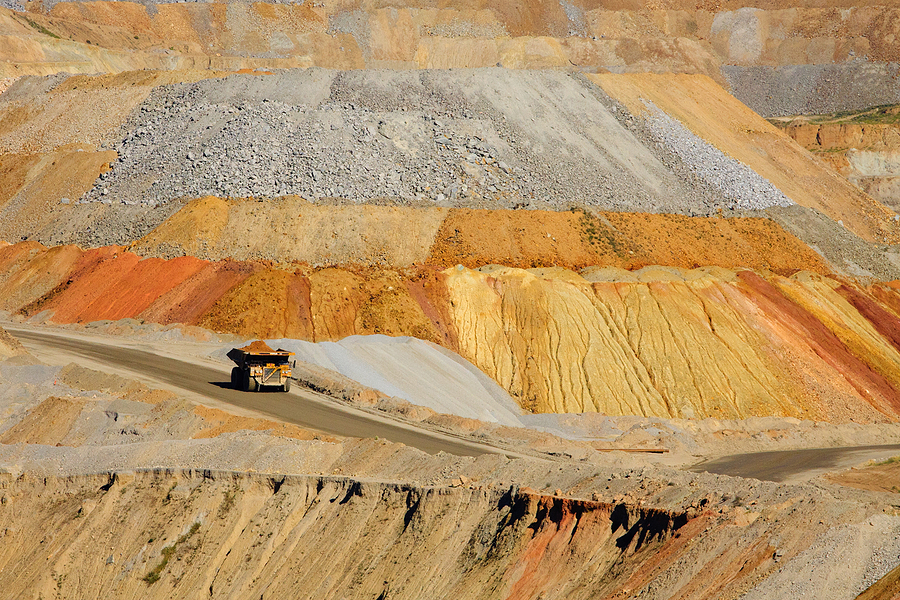
The memory of pandemic-era shortages still lingers, but supply chain issues remain a constant threat. A strike at a major mine in South America, shipping delays in the Red Sea, or energy shortages affecting smelters in Europe can all restrict supply, causing immediate price spikes.
Energy Costs
Refining metal is an energy-intensive process. Aluminum smelting, in particular, requires massive amounts of electricity. When energy prices rise—whether due to natural gas shortages or policy changes—the cost of producing new metal goes up, which eventually trickles down to the buyer.
Geopolitics and Tariffs
Government policy plays a massive role in the U.S. market. Tariffs, such as Section 301 or Section 232, are used to protect domestic industries but can artificially inflate prices. Trade wars and sanctions can cut off access to foreign materials, forcing U.S. buyers to compete for a smaller pool of domestic resources.
Get the Highest Payout for Scrap Metal Here ☑
Recent Trends: What the Data Says
The years 2024 and 2025 have presented a mixed bag for metal commodities, defined by record highs for some and oversupply issues for others. Based on data from the U.S. Geological Survey (USGS) and global market reports, here is where the major metals stand.
Copper: The Volatile High-Flyer
Copper has seen significant volatility recently. In early 2024, COMEX copper prices surged to a record high of over $5.17 per pound. This spike was driven by aggressive betting on the green energy transition and fears of supply shortages. However, the market saw a correction later in the year as high interest rates and slower manufacturing growth cooled immediate demand. Despite the fluctuation, the long-term floor for copper remains high due to its critical role in electrification.
Steel: Adjusting to New Norms
The U.S. steel market has been navigating a period of recalibration. In 2024, the value of U.S. raw steel sales decreased by roughly 10%, with the Producer Price Index for steel mill products dropping significantly from the previous year. This softening was largely attributed to a slowdown in key end-use sectors like automotive and construction, driven by inflation and monetary tightening. However, scrap steel prices have seen their own fluctuations, with heavy melting steel scrap averaging lower in 2024 than in 2023, reflecting the broader easing of industrial pressure.
Aluminum: The Tariff Effect
Aluminum has been front and center in recent trade policy discussions. In late 2024, the U.S. Trade Representative finalized substantial tariff increases on aluminum products from China, raising rates from roughly 7.5% to 25%. While domestic aluminum production value dipped slightly in 2024 due to operational shutdowns at major smelters, these protective tariffs are designed to bolster U.S. producers. For buyers, this often translates to higher premiums on physical metal availability within the United States.
Predictions and Future Outlook
Looking ahead, the U.S. metal market is poised for a complex interplay between stabilizing economies and strategic resource management.
The Green Energy Support System
The transition to renewable energy is not slowing down, and this will continue to put a floor under prices for copper and aluminum. As the U.S. grid expands and EV infrastructure grows, the demand for these conductive and lightweight metals will likely outstrip the slow growth of mining supply, potentially leading to bullish price runs in the latter half of 2025 and beyond.
Policy-Driven Pricing
We can expect trade policies to continue influencing domestic prices. With the government maintaining or increasing tariffs on Chinese imports—including steel, aluminum, and tungsten—U.S. pricing may decouple further from global averages. This “America First” approach aims to secure supply chains but will likely keep domestic material costs higher than international benchmarks.
The Scrap Market Revival
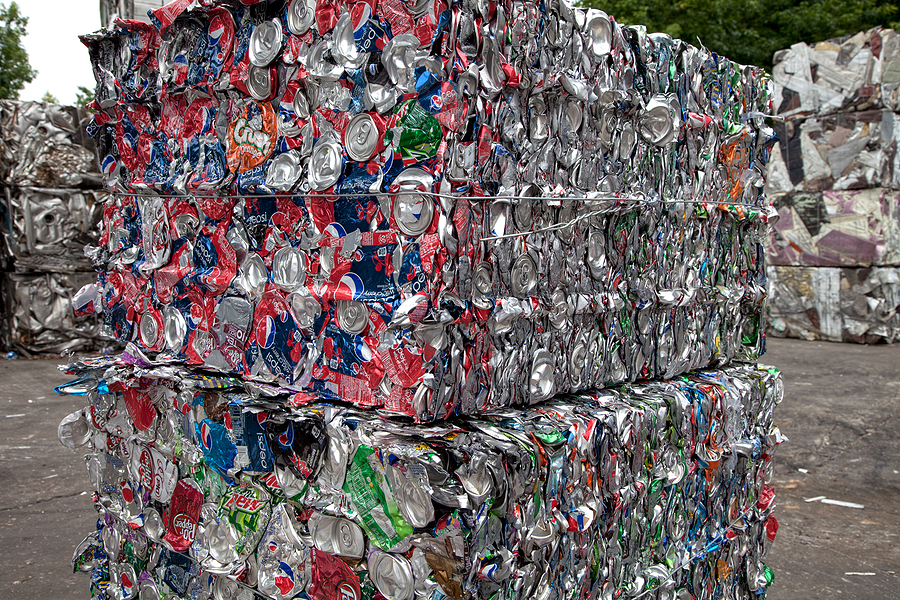
As primary metal production faces environmental scrutiny and energy constraints, the importance of secondary production (recycling) will grow. We are already seeing this with copper and aluminum, where secondary processing capacity is expanding. For businesses with scrap metal, this indicates a healthy, long-term demand for high-quality recycled materials.
The Bottom Line for Your Business
Understanding these trends offers a competitive advantage. If you are a buyer, knowing that copper supply is constrained might encourage you to lock in prices early. If you are a seller of scrap, staying aware of steel demand fluctuations can help you time your sales for maximum profit.
The metal market is rarely static. It reacts to the world around it, often serving as a mirror for the global economy. By keeping an eye on these indicators—energy costs, tariffs, and industrial demand—you can make informed decisions that protect your budget and capitalize on market movements.
Ready to Turn Your Scrap into Capital?
Navigating the nuances of metal pricing can be complicated, but getting value for your materials shouldn’t be. If you have industrial scrap or old machinery taking up space, now is the time to assess its worth.
Contact Us Today for a free scrap metal appraisal in Indianapolis. Let our team of experts help you maximize your return with transparent, competitive pricing based on the latest market trends.
Related Post: Maximize Your Metal: The Ultimate U.S. Scrap Prices Guide