Common Types of Corrosion Resistant Alloys

If you are looking to earn some money in metal recycling, be sure you are looking for quality metals to sell to your local scrap metal buyers! One of the most highly sought out metals are those that are resistant to corrosion. If you can find corrosion-resistant scrap metal to recycle at a local scrap metal center, you are in for quite the profit.

Continue reading to learn which metals are most resistant to corrosion, and where you might find them at.

Indianapolis Scrap Metal Buyers
Indianapolis Scrap Metal Buyers 1-888-586-5322

Metals That Resist Corrosion

There are several types of metals and alloys that are resistant to corrosion, including oxidation, or rust. However, the most dependable, and therefore mostly applied, are stainless steel, galvanized steel aluminum, and copper, including bronze and brass.

Stainless Steel

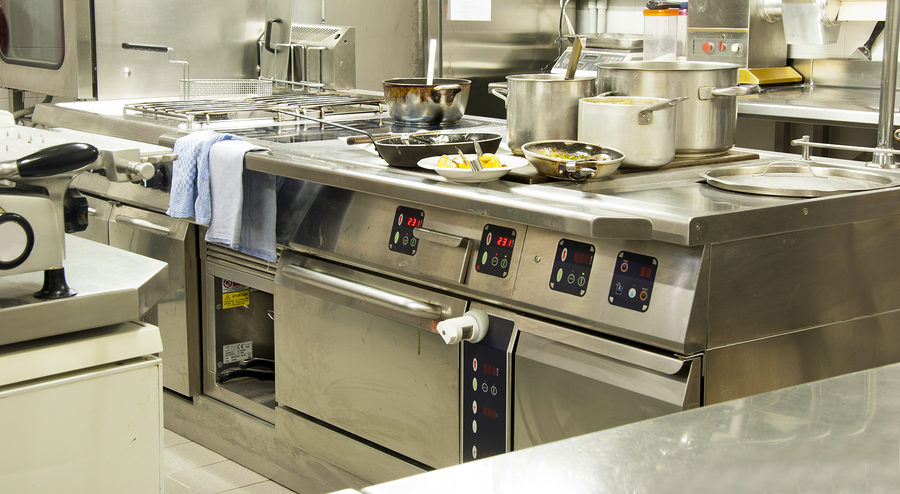
Because stainless steel is made using a combination of nickel, magnesium, chromium copper and iron, it is a very strong and durable alloy that contains several properties that deliver a wide range of benefits. Although its chromium content makes it highly resistant to corrosion and oxidation, if the surface is scratched, it can sometimes develop rust. For this reason, the 304 series is the most common version of stainless steel used in industries where rust is forbidden, such as the restaurant and food industry. Ths type of stainless steel is the most resistant to rust and corrosion. You can find it in components like kitchen sinks, food processing equipment, steam table pans, and more.

Galvanized Steel

Galvanized steel is steel that has been treated with an outer layer or coating of zinc. Galvanization is a process that applies a type of sealant on metal to protect it from natural wear and tear, like rust. It involves coating metal with an outer layer of metallic zinc by means of electroplating or hot-dip galvanizing. The zinc stops any substances, like moisture and oxygen, to penetrate the metal. This reduces rust formation and preserves the structural integrity of metal.

Aluminum

Aluminum is found on the periodic table with the symbol “Al” and atomic number 13. It has a silvery white finish, and mostly admired for its magnetic and ductile (good heat conductivity) properties. This makes aluminum a ferrous metal, meaning it contains iron. Compared to stainless steel, aluminum has higher oxidation and corrosion resistance properties, and is very light in weight. You can find aluminum in the form of food and soda cans, rolled foil, kitchen back splashes, counter tops, food preparation surfaces, factory processing equipment, and more.

Copper, Bronze, and Brass

Because copper, bronze and brass retain little to no iron content, they do not rust. They can, however, react with oxygen which can lead to a beneficial type of oxidation. You see, copper oxidizes over time and forms a green patina that shields the copper from further oxidization and corrosion. Bronze is an alloy of copper. A combination of copper and tin makes a copper alloy known as bronze. It, along with small amounts of other elements within, are naturally more resistant to corrosion than copper. The same facts apply to brass, which is also an alloy of copper made from zinc and other elements, and also highly resistant to corrosion.

Where to Recycle Scrap Metal for Cash

Call Garden City Iron & Metal at 1-888-586-5322 to recycle metal in Indianapolis, or in Central and Southern Indiana. We pay cash on the spot for both ferrous and non-ferrous metals, as well as, junk cars, automotive parts, appliances, construction equipment, motorized farming equipment, and much more! Get rid of your junk and make some fast cash at the same time.

Garden City Iron and Metal 1-888-586-5322

How to Renew Outdoor Aluminum Furniture

Aluminum is a widely-useful element that occurs naturally and abundantly within the Earth’s crust. It services several uses for several industries: including aerospace, transportation, building, electrical, food and beverage, and much more. Its unique properties are what makes aluminum so versatile and beneficial. It is soft, non-magnetic, non-toxic, low density, resistant to corrosion, flexible, and retains high thermal conductivity. It is also a decent conductor of electricity.

Although relatively low maintenance compared to other alloys, just like any other good-quality metal, aluminum can benefit greatly from an occasional polish. It is lightweight and strong, but still susceptible to natural wear and tear. This is especially true for outdoor uses of aluminum, such as playgrounds or furniture. For this reason, a small degree of maintenance is important for aluminum possessions or belongings.

Continue reading to learn some tips for polishing aluminum outdoor furniture, and what options are available for those who require routine cleaning and polishing services for their properties.

Indianapolis Scrap Aluminum Buyers 1-888-586-5322

How to Polish Aluminum

After some time, natural wear and tear can cause aluminum furniture to fade, scratch, or scuff. A good polish can restore old-looking aluminum and make it look virtually brand new again. Polishing processes and methods differ depending on what surface is being shined. But when it comes to outdoor furniture, or any aluminum furniture, a simple dish rag and mild soap will do.

There is no need to purchase store-bought polishes or chemicals to polish newer aluminum. Instead, grab a clean cloth and dip it in a mild soap and clean water mix. Give the aluminum parts a good wipe down, and then wipe them dry with a separate clean towel. Do this from time to time, generally around the start and end of every season.

Treating Older Furnishings

For older or worn aluminum furniture, it is necessary to go the polish route. Look for a general aluminum polish product at your local hardware or garden store. A good quality polish will not only restore shine and reflection back into the metal, it will also fill in scratches and scuff marks. It is important to read the manufacturer directions before using aluminum polish for the first time. In order the get the best possible results, it is mandatory to follow all manufacturers’ instructions before treated aluminum metal furniture.

Storing Outdoor Furnishings for Winter?

As you prepare your property for the rest of the winter season, take note of the condition of your outdoor furniture. If your restoration efforts were not effective, you might have a strong urge to purchase new outdoor furniture next year. In this case, make the most of your scrap furnishings and recycle them for cash! Local scrap metal recycling centers will pay cash on the spot for solid, quality metal. Just be sure to choose the right scrap metal buyers for the best profit!

Where to Sell Old Metal Furniture in Indianapolis

Call Garden City Iron & Metal at 1-888-586-5322 to sell scrap metal in Indianapolis, Indiana. We pay cash on the spot for all metal and metal commodities, including vehicles, car parts, appliances, construction equipment, farming equipment, and much more! Collect all the scrap metal you can, and then sell it to us for the highest profit in town! Request a free estimate or information, today.

Garden City Iron and Metal 1-888-586-5322

Popular Grades of Aluminum Metal and Their Current Market Values

Aluminum Metal Recycling

Aluminum Metal Recycling 1-888-586-5322

Metal recycling is one of the most impactful and important enterprises in today’s society. You too can contribute to this wonderful initiative by recycling at home or in the office. One of the most frequently recycled metals is aluminum, partly because it is so wide-spread, but also because it is light-weight and easy to transport. Even better, aluminum does well in terms of economics, maintaining a reasonable yet profitable market value.

If you have an interest in recycling aluminum metal, start by gathering all of the aluminum you can find in and around your home and office. Keep in mind, there are several different types of aluminum, all of which retain different values and properties. To better sort your metal and understand its worth, it is helpful to learn about the various grades of aluminum. This will also help you seek out different items that you can recycle!

Deciphering Aluminum Metals

Since it is highly versatile, aluminum can be combined with numerous other metals and alloys to produce different qualities and attributes, depending on the intended application. There are several different grades of aluminum out there, but the most popular ones to recycle are listed below.

Pure Aluminum – Also known as Alloy 1100, this grade is known for its flexibility and softness. It is often used to produce items that involve complex shaping, bending, and forming. Furthermore, it is sought out for its high ductility, resistance to corrosion, and its brilliant color.

Alloy 2011 – This alloy grade is also known as “free machining alloy (FMA)”, and commonly used for machinery applications. This is because Alloy 2011 retains high mechanical strength. It is good for manufacturing intricate and complex machine parts.

Alloy 2014 – Just like Alloy 2011, Alloy 2014 retains high mechanical strength and machining abilities. Its strength coupled with its resistance to corrosion makes it a popular choice for aerospace structural applications.

Alloy 2024 – Because of its incredible strength and fatigue resistance, this alloy is one of the most commonly used. When a project requires good weight to strength ratio, Alloy 2024 is usually the best match.

Alloy 3003 – Alloy 2024 may be one of the most commonly used grades of aluminum, but Alloy 3003 is the most commonly used grade. It retains a nominal amount of magnesium, which makes it up to 20% stronger than pure grade and 2011.

Alloy 5052 – Just like pure grade aluminum, Alloy 5052 is non-heat treatable. But in comparison, it is stronger and more durable. It also has an adequate resistance to salt water, making it a staple in commercial and industrial marine applications.

Alloy 6061 – Also non-heat treatable, Alloy 6061 is highly versatile; in fact, it is the most versatile out of all the non-heat treatable grades. It is also highly resistant to corrosion and retains terrific mechanical properties. In the annealed state, it is extremely malleable and can be welded using several different techniques.

Alloy 6063 – Known as an architectural alloy since it is retains high tensile properties and excellent finishing characteristics, this corrosion-resistant alloy is popular for interior and exterior architectural applications, such as architectural trim and even anodizing.

Alloy 7075 – Alloy 7075 is one of the highest strength aluminum alloys on the market. It is great for projects that require great weight to strength ratios. And just like Alloy 6061, it is better molded and shaped in an annealed condition, and responds well to heart treatments like spot and flash welding.

Current Market Value as of Today:
$0.88 per Pound
SOURCE

Where to Recycle Scrap Aluminum for Cash

Garden City Iron and Metal 1-888-586-5322

Garden City Iron and Metal 1-888-586-5322

Call Garden City Iron & Metal at 1-888-586-5322 to recycle aluminum in Indianapolis, or in Central and Southern Indiana. We pay cash on the spot for both ferrous and non-ferrous metals, as well as, junk cars, automotive parts, appliances, construction equipment, motorized farming equipment, and much more! Get rid of your junk and make some fast cash at the same time.

Top 3 Applications of Aluminum Anodizing

In its natural state, aluminum has a thin protective layer of oxide that makes it resistant to damage and corrosion. The more pure the metal, the higher the resistance. But in the metals market, many aluminum commodities are manufactured with other alloying agents, such as nickel, iron, copper, and steel. This makes them more vulnerable to abrasion and corrosion. For this reason, many metal manufacturers are using a process known as anodizing to strengthen aluminum’s resistance to damage. Continue reading to learn more about the anodizing process and the top three most common applications in the metals industry.

Aluminum Metal Recycling 1-888-586-5322

Aluminum Metal Recycling 1-888-586-5322

The Process of Anodizing

Anodizing is an electrochemical process that promotes the formation of an additional, thicker layer of aluminum oxide to aluminum alloys. This provides more strength and resistance to corrosion and damage faster than it could naturally. The anodization does not strengthen the aluminum base material; it only adds an additional layer of protection that retains a higher resistance to wear and tear. It can be effective for other metals, but it has the biggest impact on aluminum. The process starts by dipping the metal object into a reservoir filled with an electrolytic solution and a cathode made of aluminum or lead. Next, an electrical current is passed through the aluminum, which is acting as the anode. This current promotes and expedites the oxidation of the aluminum.

The three most common applications for anodizing:

Corrosion Resistance

Commodities that benefit the most from anodizing are those that are at risk of corrosion. This includes commodities that are regularly submerged or in contact with water, including boats, dock structures, auto parts, plumbing, and more.

Abrasion Resistance

Non-anodized aluminum alloys are softer and more malleable than oxidized aluminum alloys. Anodizing provides additional protection against abrasion, fracture, and other forms of damage. In fact, it is so highly resistant to abrasion that aluminum oxide is often used to manufacture sandpaper.

Dyeing

Dyeing is the process of integrating color into aluminum alloy commodities, such as bikes, parts, tools, and more. Since the layer of oxide that forms from anodizing is porous, the dyeing process is easier than without the protective layer.

Recycle Your Scrap Aluminum for Cash

Garden City Iron and Metal 1-888-586-5322

Garden City Iron and Metal 1-888-586-5322

Call Garden City Iron & Metal at 1-888-586-5322 to recycle aluminum in Central and Southern Indiana. We pay cash on the spot for both ferrous and non-ferrous metals, as well as, junk cars, automotive parts, appliances, construction equipment, motorized farming equipment, and much more! Get rid of your junk and make some fast cash at the same time.